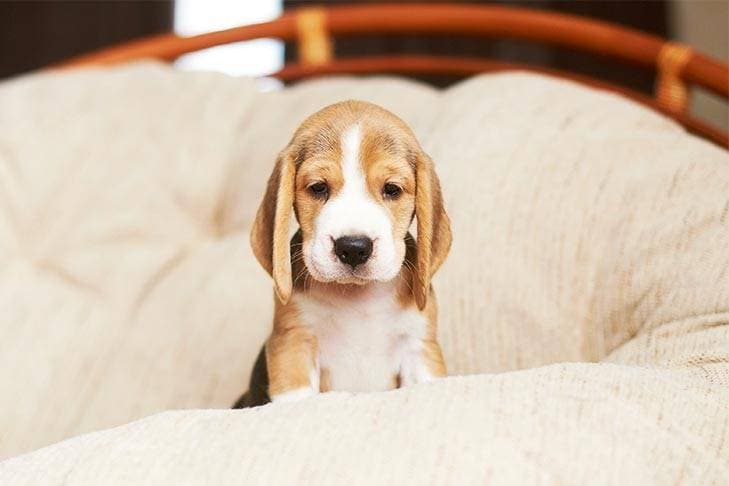
Puppies explore with their mouths and have limited control over toileting. Chewed shoes or an accident during an absence are not acts of revenge. However, destructive behavior can also occur when a puppy is distressed, so making the room safe and teaching comfortable separation are both important.
Remove hazards before practicing
Secure electrical cables, medicines, cleaning products, food waste and small objects that could be swallowed. Check the room from the puppy's level, including low shelves and gaps behind furniture. A closed cupboard is safer than placing a dangerous item slightly farther back on a table.
Choose a comfortable area with suitable temperature, water, bedding and safe items the puppy has already used under supervision. Avoid leaving anything it can shred, trap itself in or swallow. Review the arrangement as the puppy grows and becomes able to climb or reach farther.
Introduce a pen or crate thoughtfully
A puppy pen, gated room or crate may help manage space, but none automatically teaches a dog to tolerate being alone. Begin while you are present: allow voluntary exploration, offer meals or small rewards there and let the puppy leave when practical.
Choose equipment appropriate to the dog's size and strength. Inspect latches, gaps and sharp edges, and consider whether collars or harnesses could catch on the enclosure. A determined climber may need a different setup rather than a taller version of an unsuitable pen.
Do not use confinement as punishment. A puppy that panics, bites bars or attempts to escape can injure itself. Stop using that arrangement for absences and seek advice about a safer plan. A fabric travel enclosure is not necessarily secure for a chewing puppy.
Build separation in small steps
Dogs Trust's guidance on time alone recommends gradual practice suited to the individual dog. Start with a brief moment of distance while the puppy is relaxed, then return calmly. At first, this may mean only moving across the room or briefly behind a barrier.
Increase the challenge only while the puppy remains comfortable. Practice varied short intervals instead of making every repetition longer. Return before distress escalates, and reduce the next step if the puppy struggles. Leaving it to cry for a prolonged period does not reliably teach confidence.
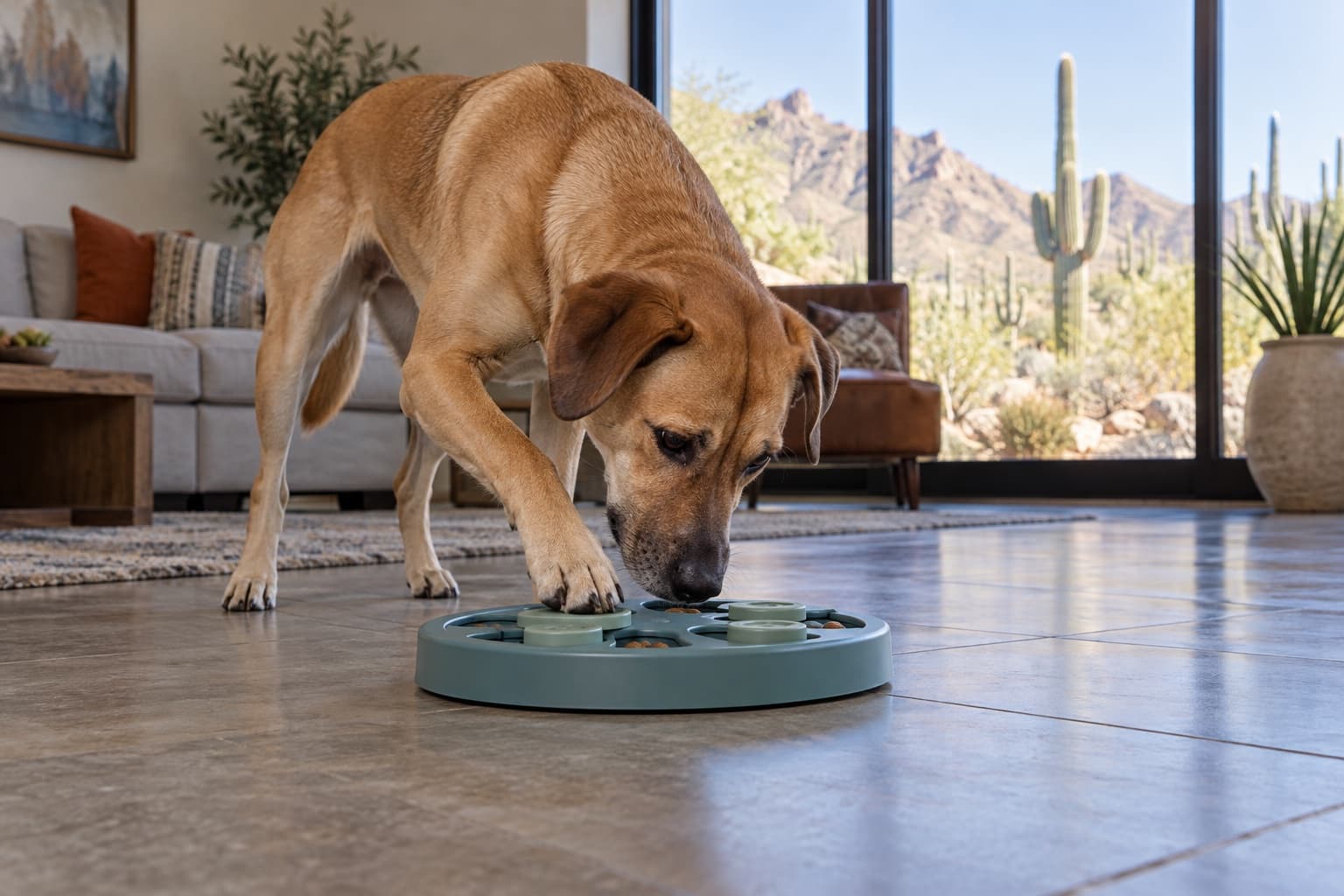
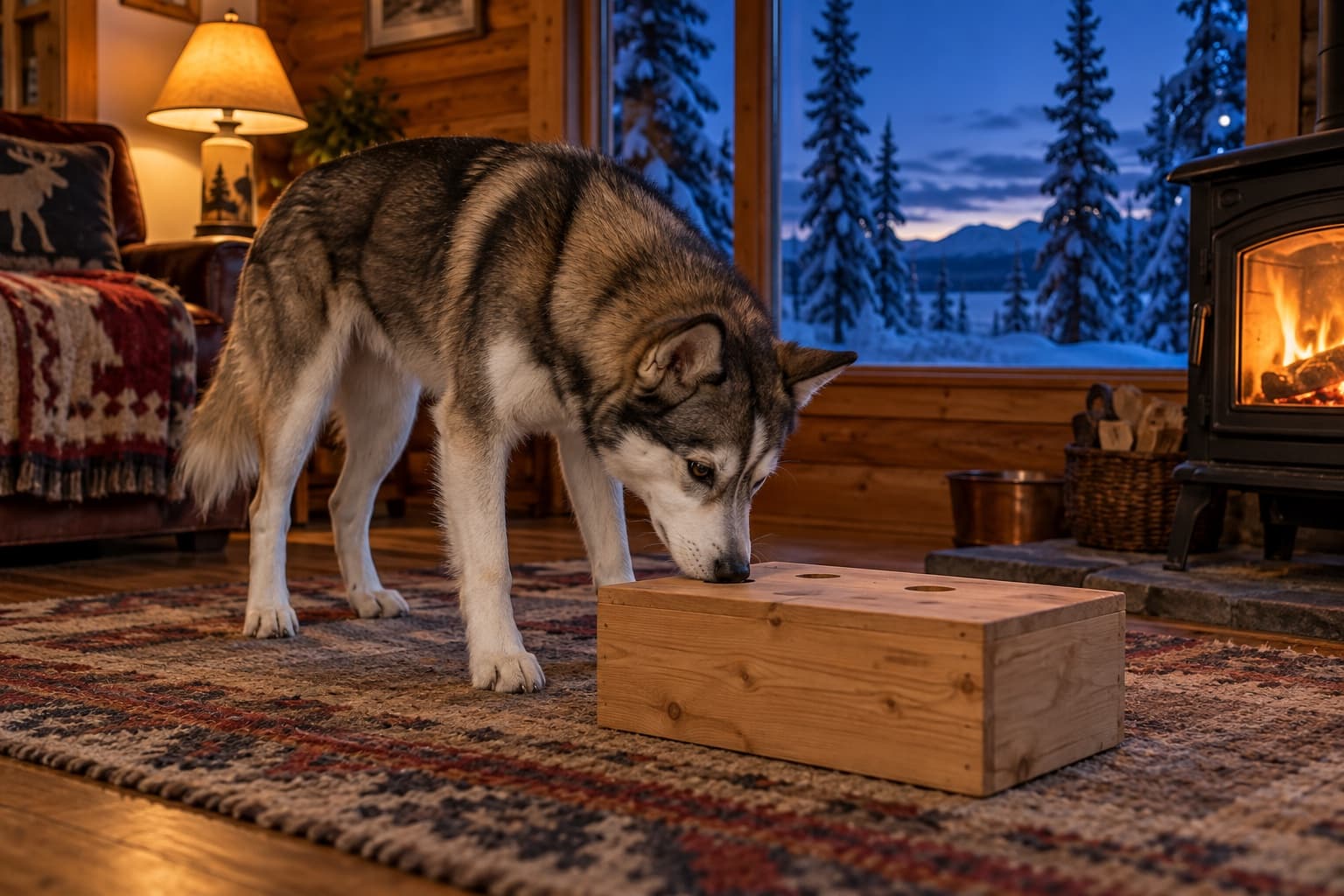
A safe food toy can be helpful if the puppy already enjoys it, but it is not proof that an absence is going well. Some puppies eat briefly and then become upset. A camera can show what happens after you leave and help you adjust the plan.
Arrange care around the puppy's needs
Offer a toilet opportunity and suitable activity before a planned rest, without trying to exhaust the puppy. Young puppies need frequent breaks, meals and social contact. There is no single number of hours that every puppy can manage safely based only on age.
Arrange a reliable sitter or other suitable care when an absence exceeds the puppy's current ability. Leaving extra food in a pen does not replace toileting or companionship. Agree on feeding, access and emergency details with anyone caring for the puppy.
Recognize distress and get help
Persistent barking or howling, pacing, heavy drooling, escape attempts and inability to settle may indicate separation-related distress. Dogs Trust's separation-anxiety guidance describes signs that deserve attention. Sudden toileting changes or unusual behavior can also warrant a veterinary check.
Do not punish damage after returning home. Record the length of the absence, the setup and what the puppy did, then discuss the pattern with a veterinarian or qualified behavior professional. The goal is to prevent distress while developing confidence at a pace the puppy can manage.
Keep greetings calm and predictable, but there is no need to withhold ordinary affection. Comfortable independence grows alongside a secure relationship and a routine that meets the puppy's practical needs.
Practice departures that resemble your real routine, including picking up keys or putting on a coat, without always leaving immediately. Keep these rehearsals brief and easy so everyday preparations do not become a reliable signal of a long, worrying absence.