Deciding to get a dog is the start of a long commitment. A puppy's appearance may attract you first, but adult size, activity, grooming, health and the time you can offer will shape daily life. The American Veterinary Medical Association's advice on selecting a pet dog encourages owners to consider the match between the animal and the household.
Choose for your real routine
Write down who will provide morning exercise, meals, toilet breaks, training and care during travel or illness. Include days when work runs late or the weather is unpleasant. A large garden is useful only if it is secure and does not replace companionship or walks. A small dog can still be energetic, vocal or demanding to groom.
Budget for routine veterinary visits, preventive care, food, equipment and emergencies. Ask local providers about grooming, training and boarding costs. If you rent, confirm the relevant housing conditions before making a commitment, and consider how your plans would work after a move.
Puppy or adult dog?
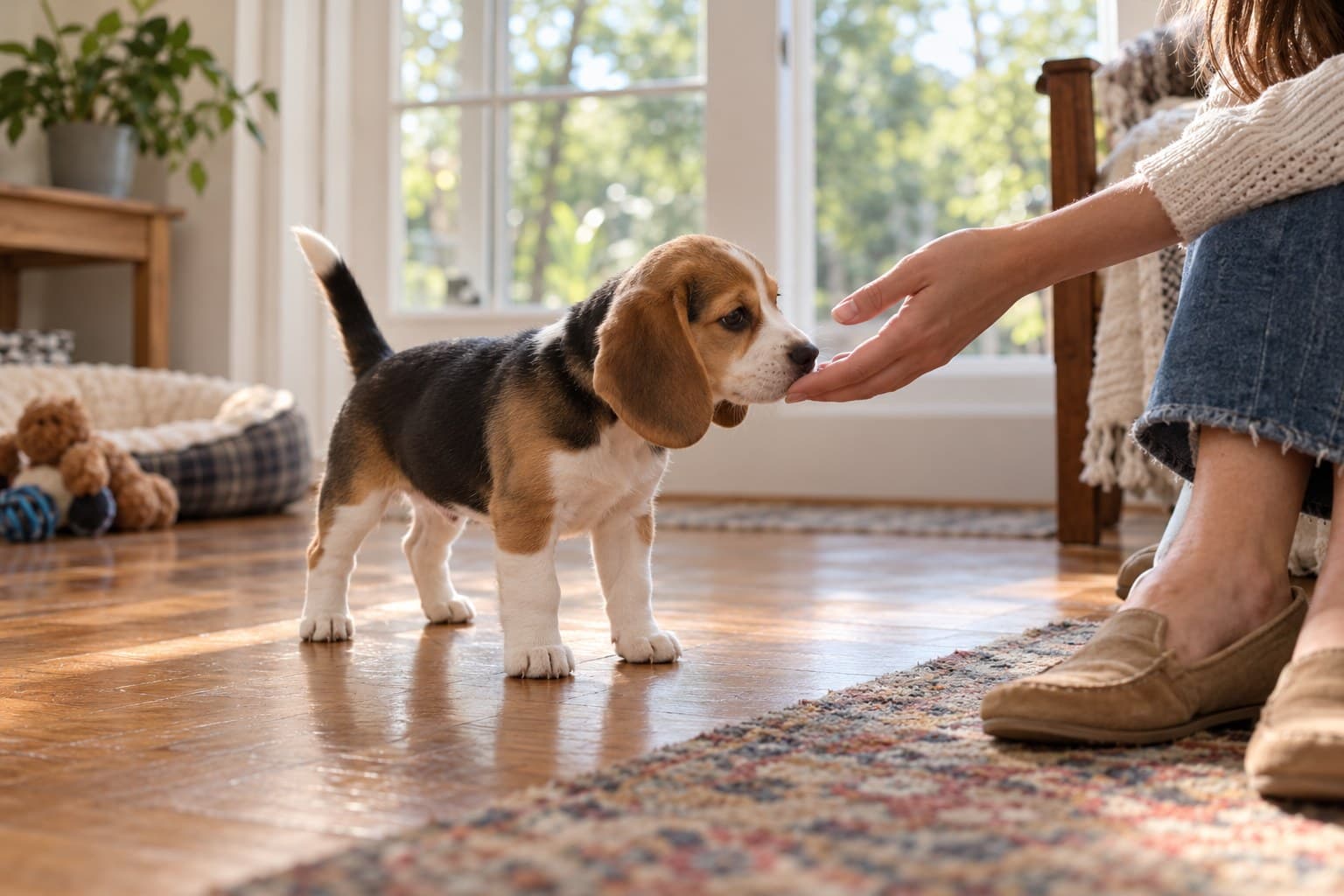
Puppies need frequent supervision, opportunities to toilet and patient teaching. They cannot be expected to cope immediately with a full working day alone. An adult dog may already have useful habits, though a new home still requires a gradual adjustment period. A rescue's observations in a foster home can help you understand an individual's needs.
Do not choose solely on sex or assume a female dog will act as a nanny. Nor is every mixed-breed dog automatically healthier than every pedigree dog. Ask about the particular animal's history, health assessments and behavior, and arrange supervised introductions where appropriate.
Questions before bringing a dog home
For a puppy, ask to see where it has been raised, its mother where appropriate, veterinary records and relevant parental health results. Discuss weaning, social experiences and the timing of rehoming. Do not accept pressure to collect a very young puppy simply because the seller says early separation makes bonding easier.
One confident or shy moment cannot predict the whole adult personality. Look for a responsible organization or breeder that answers questions, discusses difficulties honestly and offers support. Review the agreement carefully and retain copies of records and identification details.
Prepare a safe starting area
Provide a washable bed, suitable bowls, secure walking equipment and toys sized for the dog. Put medicines, cleaning products, wires and small swallowable objects out of reach. Check garden boundaries and balcony access. Old shoes and clothing make confusing and potentially unsafe chew toys; choose items intended for supervised canine use.
Set up gates or a puppy pen to make supervision manageable. A resting area should feel safe, not become a place of punishment. Keep the first days calm and postpone a stream of visitors until the dog has had time to explore, eat and sleep comfortably.
Agree on household habits
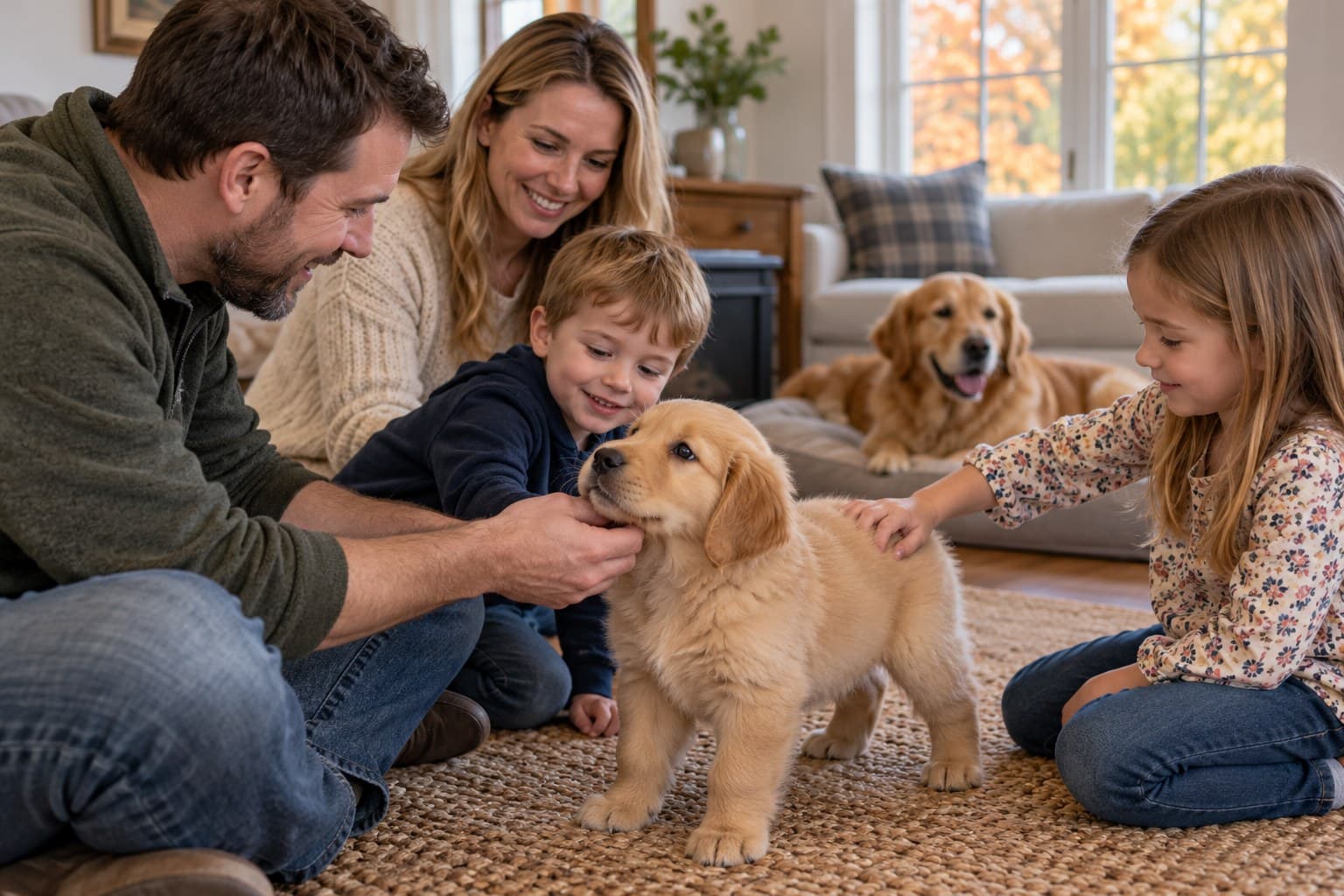
Use consistent words and reward the behavior you want. Decide where the dog will sleep and how you will manage meals and doorways. Teach children to leave sleeping and eating dogs alone, and supervise every interaction rather than relying on a breed's reputation.
Arrange an early veterinary appointment and discuss feeding, vaccination, parasite control and identification. Keep the familiar food initially unless there is a medical reason to change it. Record appetite, toileting and sleep during the first week so you can notice a meaningful change. A thoughtful beginning leaves room for the individual dog to settle at its own pace.