Choosing a first dog begins with the life you can offer it. Size, coat and appearance matter, but daily time, finances, housing and willingness to learn are just as important. No breed is universally easy, and an appealing puppy will grow into an adult with needs that continue through illness and old age.
Describe an ordinary week
Write down who will handle morning and evening care, daytime toilet breaks, walks, grooming and veterinary visits. Include busy workdays and periods when someone is away. A plan based only on weekends can leave a dog without enough support during most of its life.
Check your housing arrangements, secure boundaries, transport options and any applicable local restrictions. Think about stairs, noise and access to outdoor space. An apartment does not automatically make a dog unhappy, while a large garden does not replace exercise, training or companionship.
Budget beyond the purchase or adoption fee. Food, preventive care, grooming, equipment and unexpected treatment can be substantial. Decide how you will manage an emergency and who could care for the dog if you become ill. These practical questions often narrow the choice more usefully than a popularity ranking.
Small does not mean effortless
Yorkshire Terriers, Chihuahuas and Maltese can be engaging companions, but all need training and safe handling. Coat care varies considerably, and very small dogs may be vulnerable to falls or rough play. No toy breed is automatically ideal for children, and no breed should be dismissed as suitable only for a particular kind of person.
A Pug may have an appealing temperament, but a flat face can bring important breathing and heat-tolerance concerns. Ask a veterinarian about the health implications and relevant assessments before deciding. An animal's friendly nature does not remove the practical demands of caring for an inherited physical problem.
Terriers often enjoy investigation and chasing, yet individual behavior varies. Do not assume every terrier will harm a cat, or that a different breed can safely be left with one immediately. Introductions, management and a realistic assessment of both animals remain necessary.
Consider activity and working background
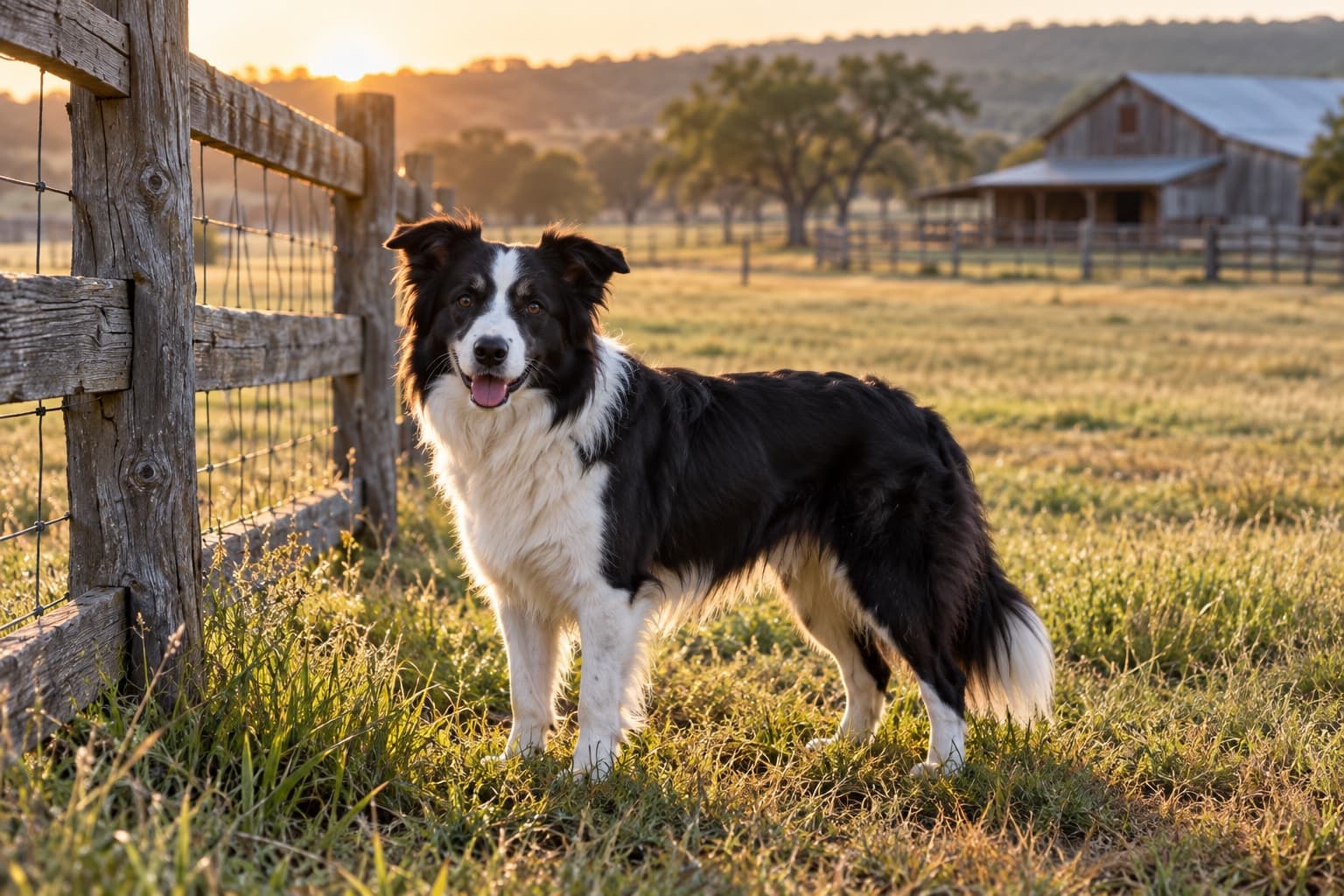
Labrador Retrievers are often sociable and enthusiastic, but a young Labrador can be energetic, strong and prone to grabbing objects. They are not naturally quiet nannies. Collies may be responsive companions while also needing activity, grooming and help managing sensitivity or excitement around movement.
Chow Chows can be reserved and independent, with substantial coat care. That does not make them bad companions, but it makes a blanket recommendation as the perfect medium-sized beginner dog unhelpful. Meet adults and ask what the breed's less convenient traits look like in a normal home.
German Shepherd Dogs and Siberian Huskies also deserve more thought than appearance-based recommendations. Shepherds may need substantial structured engagement, while Huskies can require careful escape prevention and management around smaller animals. Neither breed becomes suitable simply because an owner enjoys occasional running.
Guardian breeds such as the Central Asian Shepherd developed for work involving independence and watchfulness. Their strength and responses to unfamiliar people can require knowledgeable management. They should not be described as inevitable killing machines, nor should owners be told to compete continually for dominance.
A Czechoslovakian Wolfdog is a recognized dog breed with a particular development history, not a generic label for every recent wolf-dog cross. Its needs still demand careful research. Avoid choosing any demanding working breed solely because it looks impressive or promises protection.
Large companions bring practical costs
A Newfoundland may appeal because of its reputation for gentleness, but coat maintenance, transport, strength and veterinary costs are substantial. Large dogs need comfortable movement and suitable care just as small dogs do. Bigger is not a reason to assume aggression, and smaller is not a reason to overlook behavior.
Ask whether every caregiver can manage the individual safely. A calm adult with known habits may be a more realistic first companion than a powerful adolescent whose needs exceed your experience. This is a question of fit, not a judgment about which breed is best in general.
Choose the individual and the source
Cornell's guidance on selecting a puppy explains the importance of responsible breeding, health testing and continuing support. Request actual screening results and ask about early social experiences, the parents' behavior and any health concerns in relatives. Registration alone does not guarantee health or a suitable temperament.
A rescue organization may be able to describe an adult dog's established needs, behavior and veterinary history. Ask how observations were made and whether foster-home information is available. A shelter environment can differ from a home, so discuss a supported transition and realistic expectations.
Meet the dog more than once when possible. Observe how it responds to ordinary handling and whether it can recover after mild excitement, without deliberately frightening it. Ask about time alone, other animals and any bite or guarding history. Honest information is more useful than a promise that a dog loves everyone.
Prepare to learn together
Choose a professional who teaches with rewards and explains how to help the dog succeed. Plan early skills such as recall, loose-leash walking, settling and comfortable grooming. You do not need to establish a pack hierarchy or punish a dog to earn its cooperation.
Feed a complete diet suited to life stage and health. Rice and beef alone are not a balanced long-term menu, and breed labels do not justify arbitrary bans on ordinary ingredients. Discuss portions, treats and any special needs with your veterinarian.
A successful first-dog choice leaves enough time, money and flexibility to support the individual you bring home. Choose a companion whose needs you understand, with reliable help available, and allow the relationship to develop through consistent care rather than expectations of instant perfection.