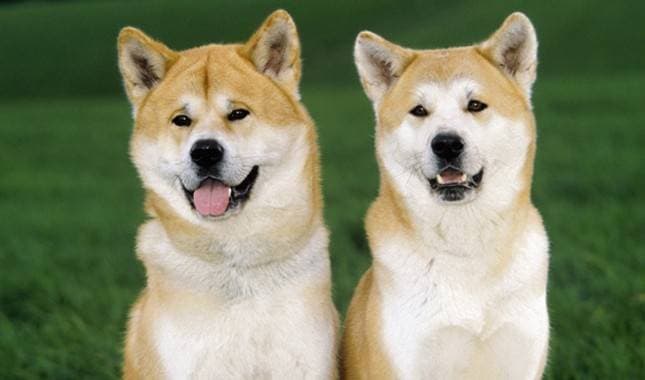
The Akita Inu, also called the Japanese Akitainu, is a strong spitz-type dog from Japan. It is associated with dignity, independence and close attachment to its household. The Japanese Akitainu and American Akita are treated separately by many registries, so avoid combining their standards into one universal description.
Appearance and background
Japanese Akitas have erect ears, a curled tail and a dense double coat. Recognized colors include red, white and brindle, with characteristic pale markings in the non-white colors. Size varies with sex and the standard being used. Choose for sound movement and health rather than extreme weight or a dramatic photograph.
Hachiko's story made the Akita famous for loyalty, but it cannot predict every dog's behavior. A real Akita needs training, social contact and practical care, not just admiration for a breed reputation.
A thoughtful approach to temperament
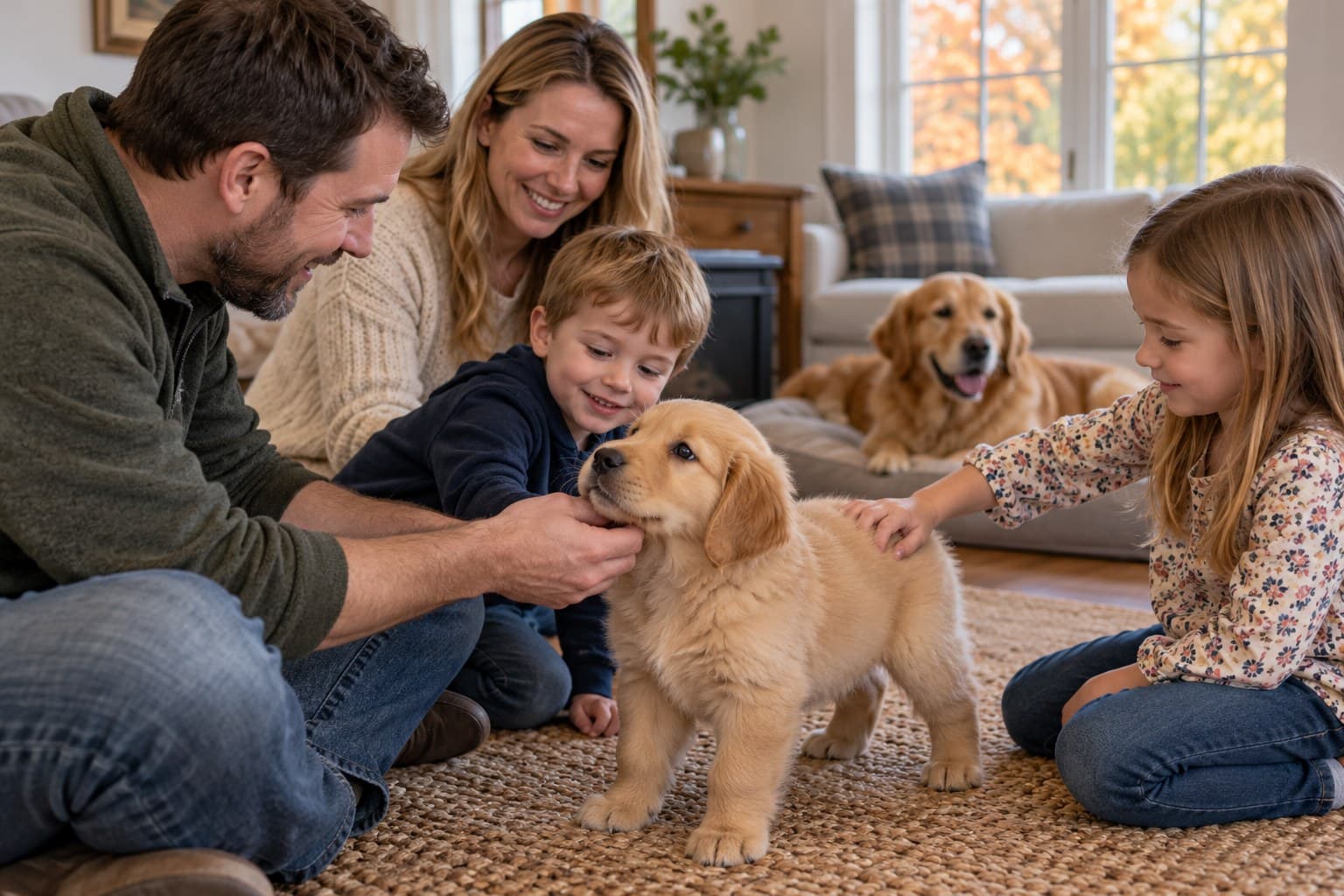
An Akita may be reserved with strangers and selective about other dogs. Some have a strong chase response toward smaller animals. Do not assume that early socialization guarantees friendly behavior in every adult situation, or that a female will automatically be gentler with children than a male.
Supervise children and dogs together, and teach children to respect meals, sleep and resting spaces. Introduce visitors calmly without requiring the dog to accept unwanted touching. Give the dog a secure retreat and use barriers when necessary to keep busy situations manageable.
Training without confrontation
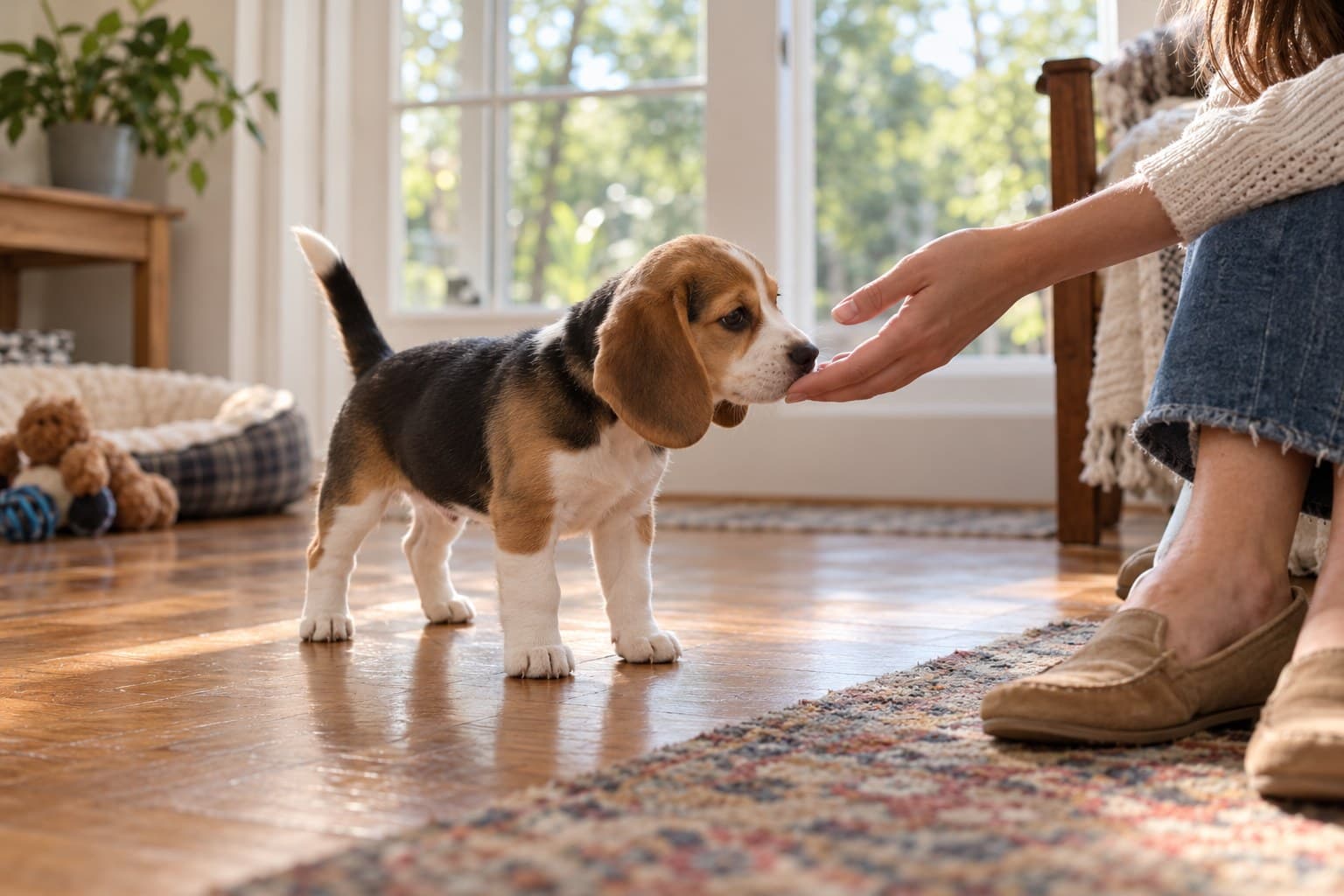
Begin with short reward-based lessons in name response, loose-leash walking, waiting at doors and settling. Make household rules predictable and ensure everyone uses the same cues. Independence does not justify hitting, intimidating or trying to physically dominate the dog.
Practice handling gradually, including comfortable examination of feet and ears and use of a carrier or vehicle restraint. A large adult dog is easier to care for when these skills have been built patiently. If the dog growls or resists, consider fear or pain and seek appropriate help rather than punishing the warning.
Introduce new places, sounds and people at a distance the puppy can manage. Reward calm observation and allow time to recover. A qualified trainer can help create a realistic plan, especially if the owner is unfamiliar with large, independent dogs.
Exercise, security and time alone
Provide daily walks, sniffing opportunities and mental activity suited to the dog's age and fitness. Secure fencing and well-fitting walking equipment are essential where chasing or conflict could occur. An Akita should not be expected to exercise itself by remaining alone in a garden.
Build comfortable periods apart gradually and arrange care when your schedule demands more than the dog can cope with. Persistent distress deserves assessment. Adding another animal is not a reliable solution, especially when compatibility is uncertain.
Coat and health care
Akitas shed, often heavily during seasonal coat changes. Regular brushing removes loose hair, with more frequent work during these periods. A weekly brush may be insufficient when the undercoat is coming out. Watch for painful tangles, skin irritation or unusual bald areas and ask for advice when needed.
Feed a complete diet in measured portions and monitor body condition. Ask breeders for relevant hip, eye and other health-screening records and discuss family health history. No breed is free of disease, and a promised lifespan is not a health guarantee. Budget for veterinary care, training, grooming tools and safe transport throughout the dog's life.