Excess body fat can affect a dog's comfort, mobility and long-term health. Weight gain often involves more energy being eaten than used, but age, medication, activity and medical conditions can influence the picture. Neutering may change calorie needs; it does not make obesity inevitable. A breed label is not a diagnosis either.
Look beyond the number on the scale
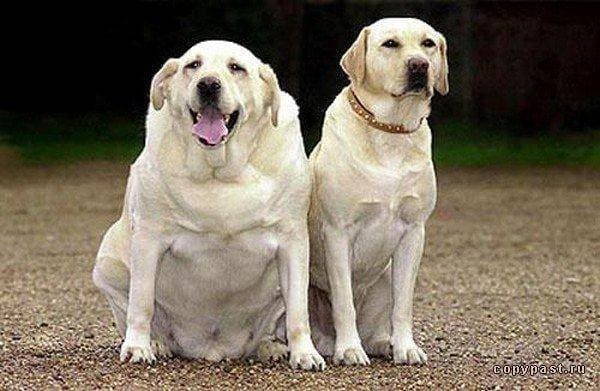
The American Animal Hospital Association's body-condition advice combines feeling the ribs with looking for a waist and abdominal tuck. In an ideal condition, ribs are generally easy to feel beneath a light covering rather than hidden by a thick layer of fat. Fat folds do not demonstrate that a dog is at a healthy weight.
Coat, body shape and loss of muscle can make assessment difficult. Ask your veterinary team to demonstrate the technique on your dog and record both weight and body-condition score. Use the same scale when possible so small changes are easier to interpret.
Start with a veterinary review
Arrange an examination if weight is increasing unexpectedly or your dog has become less active. Mention changes in appetite, thirst, breathing and medication. The veterinarian can decide whether testing is appropriate and help distinguish excess fat from other reasons for an enlarged abdomen.
Bring details of the food, portion size, treats, table scraps and anything other family members offer. A few small extras can be significant for a little dog. An honest food record is useful information, not an invitation to blame anyone.
Make meals measurable
Agree on an appropriate food and daily allowance, then weigh or carefully measure it. Divide that total into meals and reserve some for training if helpful. Feeding more often does not create weight loss unless the overall calorie intake is suitable.
Avoid replacing a balanced diet with meat, vegetables or dairy chosen by guesswork. A veterinary weight-management food may help some dogs meet nutrient needs while eating fewer calories. Do not use a crash diet or apply an adult weight-loss plan to a growing puppy without specific guidance.
Increase movement comfortably
Start with activity your dog can manage without pain or distress. Short walks, gentle play and food searches may suit an unfit dog better than sudden long runs. Address lameness or breathing difficulty before adding demanding exercise.
Plan follow-up weigh-ins and adjust the routine with the veterinary team. Ask everyone in the household to use the same daily food allowance and reward the dog with attention or suitable play as well as food. Steady, monitored change is more useful than a dramatic target that cannot be maintained.