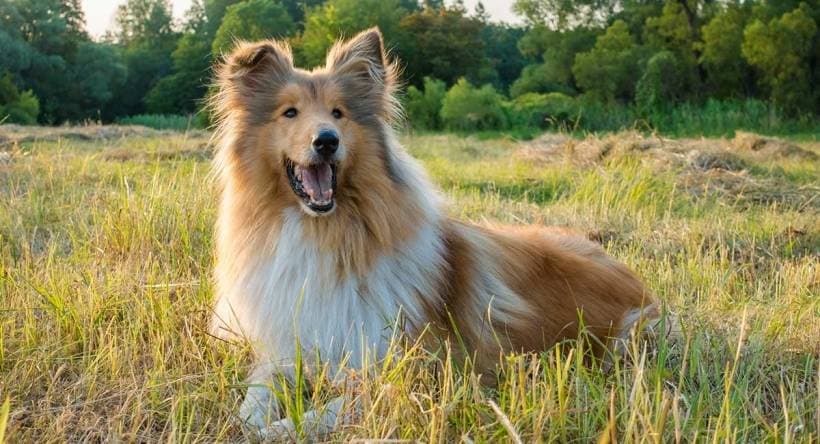
The Shetland Sheepdog, usually called the Sheltie, is a small herding breed associated with Scotland's Shetland Islands. Its outline and coat resemble those of the Rough Collie, but it is a distinct breed, not simply a small Collie or a variety called the Scottish Collie. That distinction matters when researching size, health screening and suitable breeders.
The AKC Shetland Sheepdog profile identifies a bright, responsive herding dog with a substantial double coat. Breed descriptions can help set expectations, but they do not predict every puppy's behavior. A quiet adult and an easily excited youngster may need very different routines even when they share the same pedigree.
Activity and learning
A Sheltie needs more than a garden to occupy it. Combine walks and opportunities to sniff with short lessons, food searches or play. Many enjoy learning precise tasks, but there is no need to exhaust a dog with endless ball throwing. Adjust activity to age, weather, fitness and veterinary advice, and include time to rest between exciting outings.
Teach useful skills in quiet surroundings before adding distractions. Reward a check-in, a comfortable loose lead and returning when called. Use a secure area or a long line when recall is not reliable. Chasing moving animals, bicycles or running children should be managed before it becomes a rehearsed habit. Give the dog an alternative task and enough distance to succeed.
Alert barking can be a practical challenge in shared housing. Notice whether the trigger is a window view, a noise outside or frustration. Curtains, a quiet resting area and rewarding calm responses can help reduce repeated practice. Shouting back often adds excitement. If barking reflects fear, work below the dog's threshold rather than exposing it to an overwhelming situation.
Confidence and family life
Some Shelties are reserved around unfamiliar people. Let the dog approach voluntarily instead of having visitors reach over its head. Gentle exposure to everyday sights and sounds should build confidence, not test how much stress the dog can tolerate. Children need to understand that chasing, hugging and disturbing sleep are not appropriate games.
An apartment can suit a particular Sheltie if exercise, toilet breaks, noise management and company are provided. Living indoors does not automatically improve development, and a large property does not automatically meet social needs. Consider the actual daily routine: who walks the dog, how long it stays alone and where it can retreat from activity.
Caring for the double coat
Work through the coat carefully, checking behind the ears, under the legs and around areas rubbed by equipment. A quick brush over the surface may leave tangles underneath. Ask a groomer to demonstrate tools and technique for your dog's coat. Regular care should be comfortable; painful mats require help rather than forceful pulling.
Check nails, teeth and ears as part of the same routine. Introduce handling in small steps, rewarding cooperation and stopping before the dog becomes distressed. Wet or muddy coats need appropriate drying, and seasonal shedding can increase the amount of loose hair around the home.
Health records and medicines
UC Davis explains MDR1 drug sensitivity, an inherited variation relevant to Shelties and several related breeds. Tell your veterinarian about any test result before medication is prescribed. Never use a genetic result to choose your own drug or dose, and do not stop necessary treatment without professional advice.
Ask breeders which eye, orthopedic and other breed-relevant assessments were performed, and request the actual results. Screening reduces uncertainty but cannot guarantee lifelong health. When adopting an adult, discuss existing records and current needs with the rescue and your veterinarian. A thoughtful match combines health information with temperament, handling needs and a realistic long-term budget.