No breed is a universal dog that fits every home, climate or task. Schnauzers and Labrador Retrievers can be rewarding companions, but their working backgrounds and everyday needs differ. Start with your household's time, experience and preferences rather than expecting one breed label to guarantee a perfect match.
Three distinct Schnauzer breeds
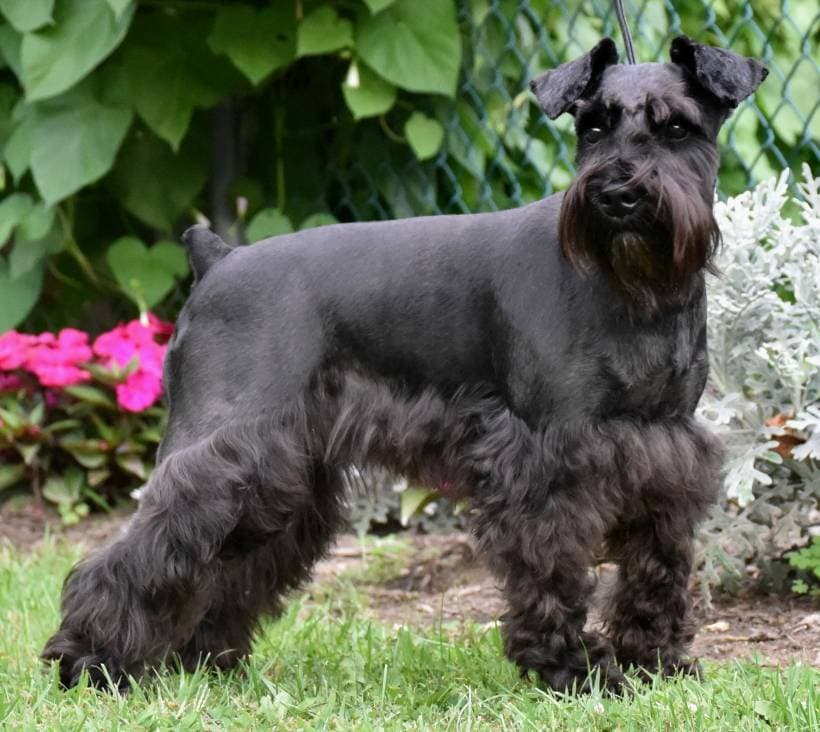
The Miniature, Standard and Giant Schnauzer are separate breeds, not simply interchangeable sizes of the same pet. The AKC Standard Schnauzer profile describes a spirited German farm dog. Its alertness and initiative can be appealing, but owners still need to teach household manners and provide purposeful activity.
Miniature Schnauzers have a smaller footprint while retaining an active, engaged nature. Small size does not remove the need for exercise, training or a plan for barking. Giant Schnauzers are substantially stronger dogs, and their physical and mental demands require a realistic commitment from everyone caring for them.
The name Affenpinscher refers to another dog breed, sometimes associated with a monkey-like facial expression. It does not mean that monkeys were crossed with dogs. Historical breed-development accounts should not be interpreted as evidence of such an impossible cross.
Schnauzer coats need regular attention, including the beard and areas where tangles form. Discuss clipping or hand-stripping with an experienced groomer according to the coat and your aims. Low shedding should not be confused with being maintenance-free or guaranteed suitable for someone with allergies.
Living with a Labrador Retriever
The Labrador Retriever is a sporting breed with a retrieving background. Black, yellow and chocolate are its recognized standard colors. Many enjoy retrieving games, learning and company, but an enthusiastic young Labrador may jump, mouth objects or pull strongly until taught more appropriate behavior.
Some Labradors work in assistance, detection or other skilled roles after careful selection and extensive training. That success does not mean every puppy will be suited to those jobs. A family's companion needs its own assessment of temperament, health and ability to cope with everyday situations.
A water-resistant coat does not make a Labrador immune to heat, cold or exhaustion. Plan activity around the individual dog and conditions, provide water and shelter, and never assume swimming is safe without supervision. Treat food rewards as part of the daily allowance rather than unlimited extras.
Choose the individual and plan ahead
Meet adult dogs and talk honestly about energy levels, grooming costs, time alone and behavior around children or other animals. Ask breeders for documented health screening appropriate to the breed. A rescue organization may also be able to describe an adult dog's established habits and support needs.
Use reward-based teaching for recall, settling and comfortable handling. Share the same cues and household rules among caregivers, and supervise children with every dog. The best choice is a companion whose needs fit your daily life, with enough flexibility to support that dog as it grows older.
Ask who will handle grooming and daily walks before the dog arrives, so the practical work is shared and predictable.