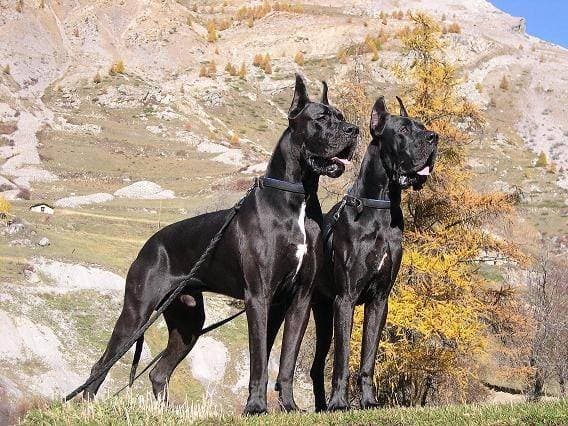
The Great Dane can be an affectionate companion, but its size makes thoughtful care essential. The AKC breed profile emphasizes the commitment involved in living with such a large, powerful dog. A breed reputation for gentleness is not a promise that every individual will be quiet, easy to manage or safe without training.
Plan the home around the adult dog
Consider comfortable resting space, nonslip flooring, transport and access to veterinary care. A garden does not replace walks and interaction. An apartment may be workable for some dogs, but stairs, lifts and emergency transport deserve serious thought before a puppy grows into a giant adult.
Teach calm greetings, loose-lead walking and settling with rewards. Supervise contact with children: even friendly movement can knock a small person over. Do not encourage a Great Dane to act as a bodyguard or expect it to judge threats correctly. Safe management is the owner's responsibility.
Exercise and companionship
Provide daily activity suited to age and health, with guidance for a growing puppy. Avoid forcing prolonged strenuous exercise or repeated jumping simply to tire the dog out. Introduce time alone gradually and seek help if absences cause distress.
Short coats offer limited protection in cold weather, so adjust outings and consider a well-fitting coat when needed. In warm weather, provide shade, water and comfortable rest. Watch the dog rather than assuming that a particular temperature is safe for every individual.
Routine care still matters
Brush the coat regularly and bathe when needed with a suitable dog shampoo. There is no blanket rule that bathing harms a Great Dane's coat. Introduce nail care, toothbrushing and gentle ear checks early, while the dog can learn that handling is predictable and rewarding.
Feed a complete diet appropriate to life stage and discuss large-breed puppy nutrition with your vet. Measure portions and avoid adding calcium without a specific recommendation. Choose food for nutritional suitability, not merely because it is dry or convenient.
Know the signs of bloat
Great Danes are at increased risk of gastric dilatation-volvulus, a life-threatening stomach emergency. The University of Florida veterinary hospital lists unsuccessful retching, restlessness and abdominal swelling or discomfort among the warning signs. Seek emergency care immediately if these occur; do not wait for every sign to appear.
Ask your veterinarian whether preventive gastropexy is appropriate for your dog. The American College of Veterinary Surgeons explains this procedure for dogs at risk. It reduces the risk of stomach twisting, but concerning symptoms still need urgent assessment.
Budget for food, equipment and medical care at giant-dog scale. A realistic plan for ordinary days and emergencies makes it easier to enjoy the Great Dane's companionship throughout its life.