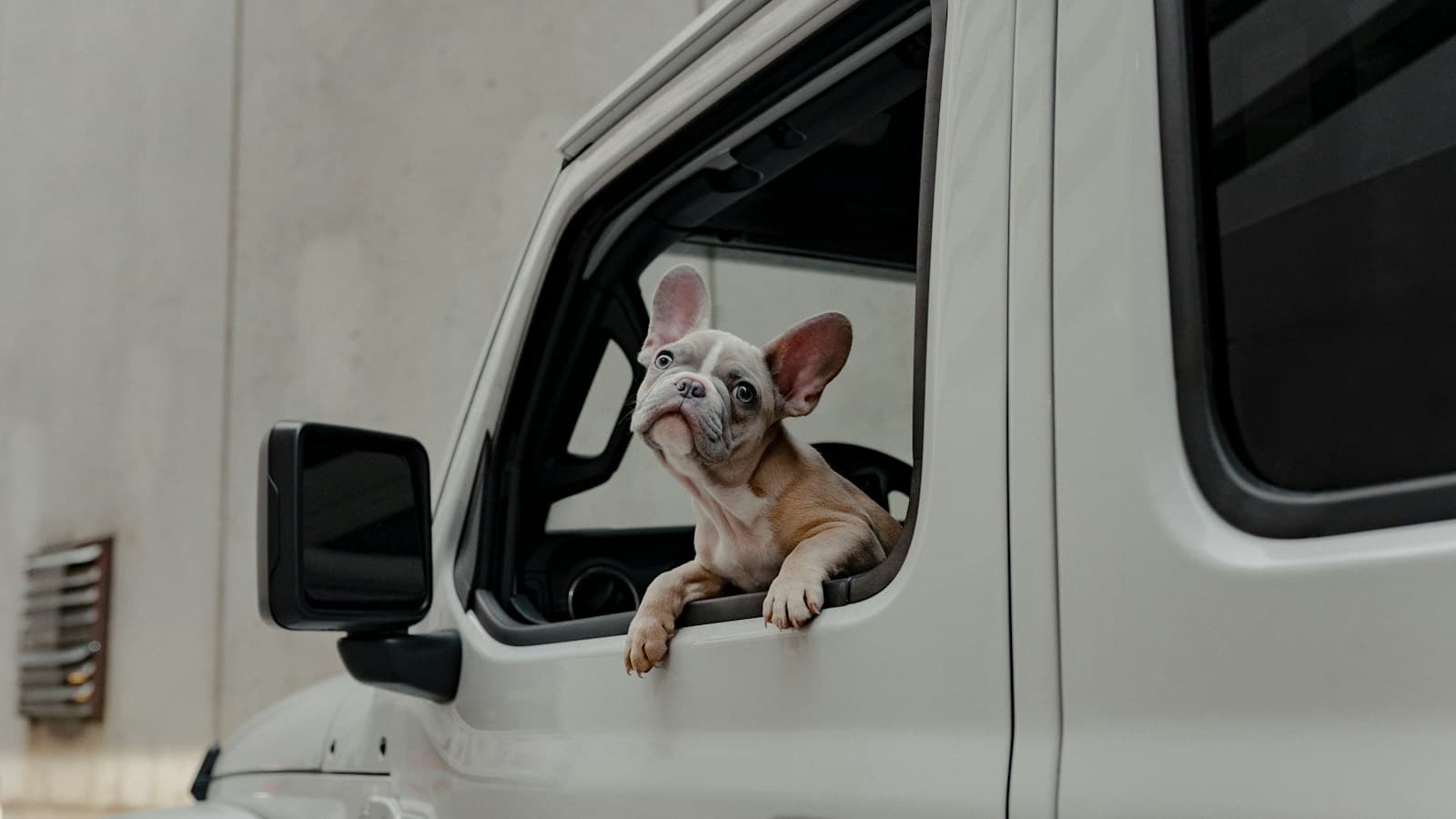

A dog's education begins in everyday interactions. Coming when called, settling nearby and accepting gentle handling are learned through repeated experiences, not through a struggle for authority. Start with achievable tasks, notice what the dog finds rewarding and create a routine that you can maintain.
Plan small, useful goals
Choose one practical skill at a time. For example, a puppy might learn to turn toward its name in a quiet room before practicing around visitors. A short session with several successful repetitions is more useful than continuing after the puppy is tired, distracted or frustrated.
Keep a simple diary of the setting, the reward and what happened. Write that the dog responded in the kitchen but struggled near the front door, rather than recording that it was disobedient. Specific observations help you choose an easier starting point next time and make progress visible across several days.
Share cues and routines with other caregivers. If one person rewards jumping while another expects four paws on the floor, the dog receives conflicting information. Agree on an alternative greeting and make it easy for visitors to follow the same plan.
Rewards and timing
Use small pieces of suitable food, a favorite toy or access to an enjoyable activity. Include food rewards in the daily allowance. There is no need to make a puppy go hungry before training, and early morning is not the only useful time. Choose a moment when the dog is comfortable, awake and able to engage.
Mark the behavior promptly with a consistent word or a click, then deliver the reward. A marker becomes useful through that reliable association; it is not a reprimand or a way to demand attention. Prepare rewards before starting so you can respond at the right moment.
Teach without pushing the body
VCA's guide to sit, down, stand and stay describes luring, capturing and shaping as ways to build behavior. To begin a down, invite the puppy to follow a small food lure toward the floor and reward the movement into position. Alternatively, reward a down the puppy offers naturally, then add a cue when the action is predictable.
Do not press on the shoulders, pull the front legs or force the puppy into position. If the movement seems difficult, try a nonslip surface and an easier setup. Repeated reluctance to sit or lie down may warrant a veterinary check for discomfort rather than more insistent handling.
Once a skill is easy in one room, practice in another quiet place before adding major distractions. Increase duration, distance or distraction separately. A dog that struggles in a new setting needs more support, not repeated shouting of the same cue.
Learning continues beyond puppyhood
Older dogs can learn, too. Adapt sessions to hearing, vision, mobility and attention, and review sudden changes with a veterinarian. Useful education also includes relaxed grooming practice, exchanging objects willingly and resting behind a gate while you are nearby.
For persistent fear, guarding or aggression, seek qualified help rather than experimenting with punishment. A diary can help the professional understand patterns, but do not provoke an incident to document it. Steady progress comes from safe practice, clear information and a relationship in which the dog can participate comfortably.