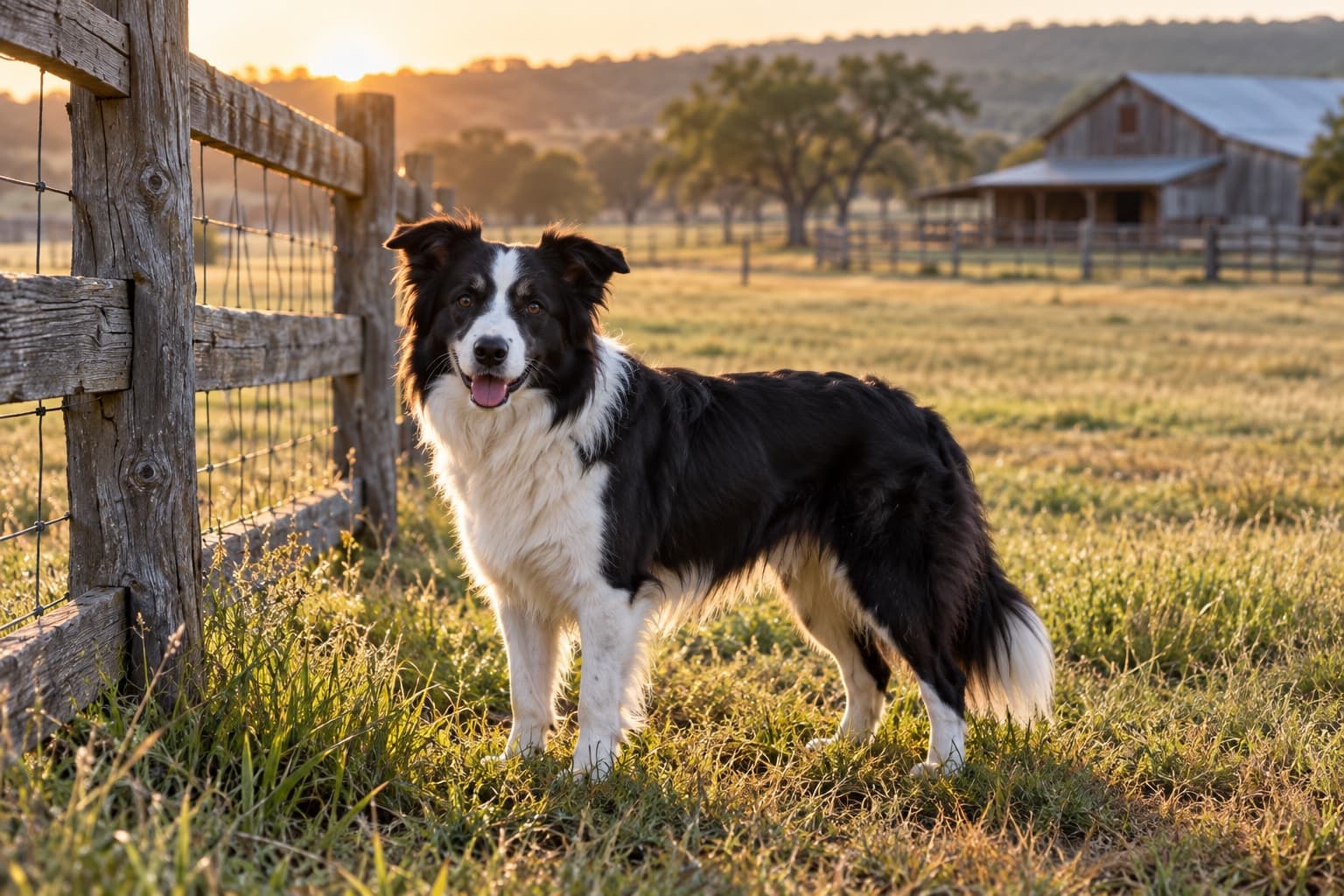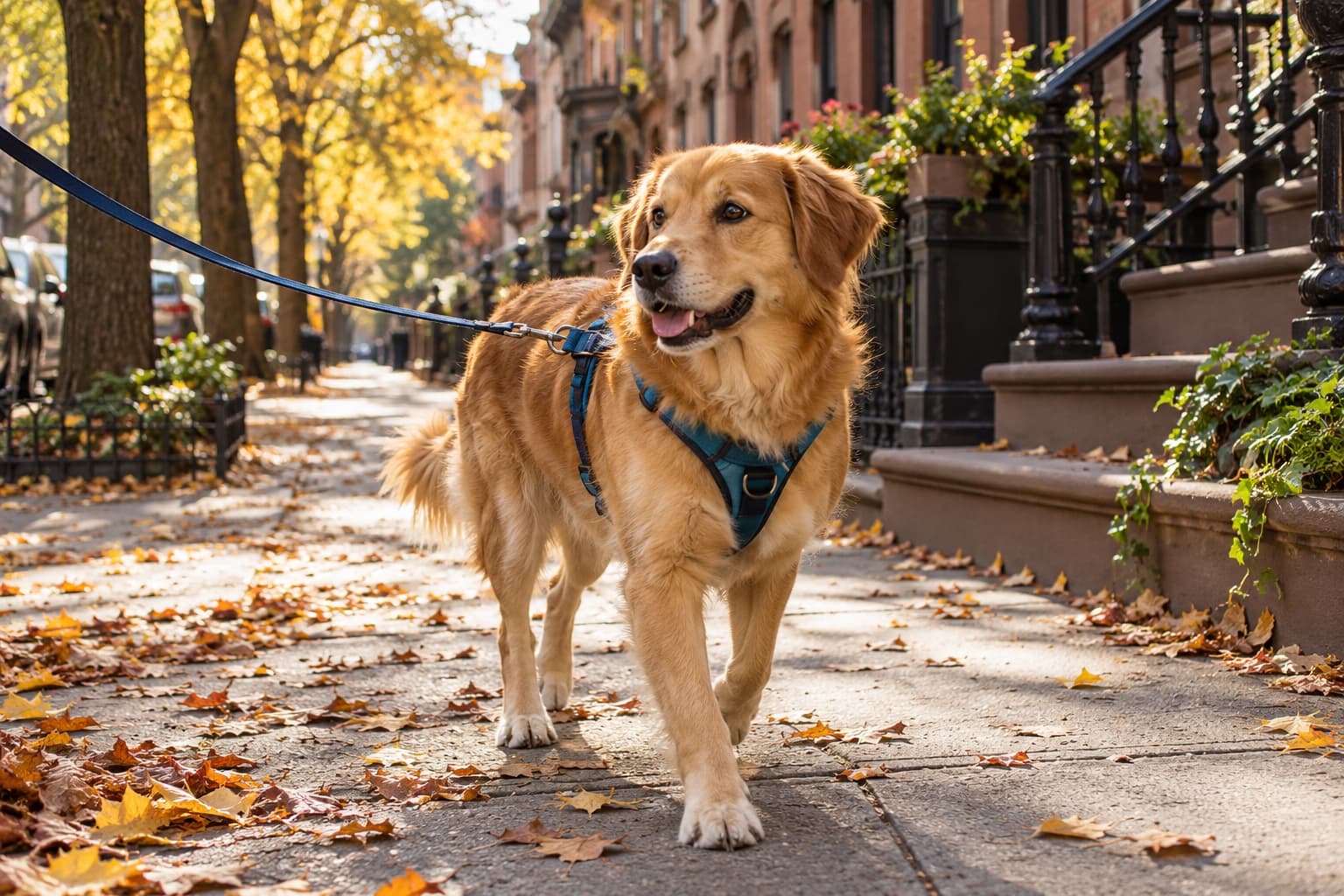
People often joke that a dog's breed reveals its owner's personality. A Labrador supposedly signals an outdoorsy family, a tiny dog a fashionable lifestyle, and a large guarding breed a forceful character. These stories may be entertaining, but they are not a reliable way to judge a person.
A breed is not a personality test
Owning a Chihuahua does not establish someone's gender, temperament or spending habits. A Golden Retriever cannot reveal whether its owner has children or is a faithful partner. Nor can a mixed-breed dog tell you what its owner drinks or which car they drive.
People choose dogs for many reasons: previous experience, available housing, a family connection, a rescue opportunity or a preference for a particular activity. Some inherit a pet or adapt their life around an unexpected adoption. Reducing these decisions to a stereotype overlooks the real relationship.
What research can and cannot tell us
Research on canine ancestry and behavior has found substantial variation within breeds. This does not mean ancestry is irrelevant: physical traits and some behavioral tendencies can help set expectations. It does mean that a breed label is an incomplete description of an individual dog, let alone its human companion.
Associations found in a study describe patterns in a sample, not rules for every household. A survey also depends on the questions asked and how owners interpret their dogs. Avoid turning a statistical tendency into a confident claim about a stranger's character or mental health.
Ask practical questions instead
If you are choosing a dog, start with daily life. How much time can you provide for walks, play, grooming and training? Can you manage the likely adult size safely? Who will provide care when work, illness or travel changes the routine?
A person who enjoys occasional countryside trips may still have a quiet working week. An energetic breed needs appropriate outlets on ordinary days too. Conversely, a small companion dog still needs exercise and learning opportunities rather than being treated as a decorative accessory.
Meet individual dogs and ask about their behavior in settings similar to yours. An adult in foster care may come with useful information about time alone, visitors and other animals. For a puppy, discuss the parents, early experiences and the support available after placement.
Compatibility develops through care
A good match does not require identical personalities. A calm person can enjoy an active dog when they provide suitable activity and clear routines. An outgoing household may suit a quieter dog if it also offers undisturbed rest and respectful handling.
Learn what the dog enjoys and what makes it uncomfortable. Adjust introductions, practice useful skills and seek help when health or behavior concerns arise. These actions say more about responsible ownership than the size or appearance of the animal.
Breed descriptions can guide questions, but they should not become judgments about people. The most useful picture comes from observing a particular dog and understanding the household prepared to care for it.