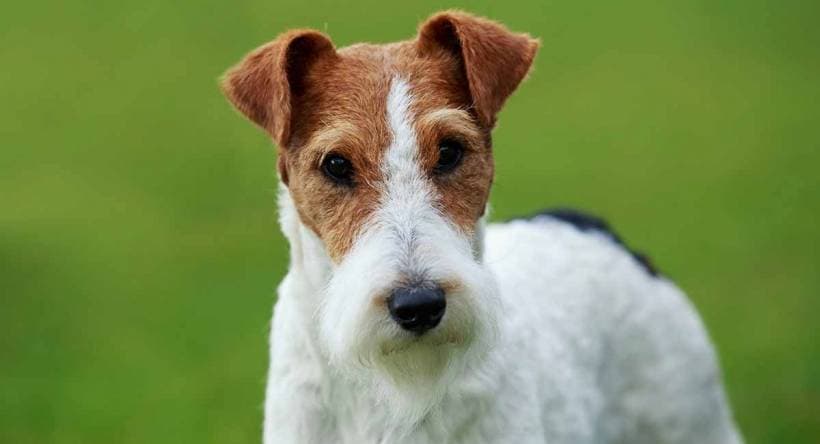
Smooth and Wire Fox Terriers are distinct breeds in major modern registries, rather than simply interchangeable coat choices on one dog. They share an alert, compact appearance and a terrier background, but grooming differs substantially. The American Kennel Club's Smooth Fox Terrier profile provides a useful starting point for comparison.
History without exaggerated certainty
Fox Terriers developed in Britain in connection with hunting. Older descriptions of terriers do not necessarily establish the date when a modern breed was formally recognized. Avoid treating an early mention of a terrier as proof of an exact crossing recipe or a single moment of creation.
A working history can help explain interest in movement, digging and chasing. It does not mean a companion should be encouraged to confront larger animals or attack on command. Safe outlets and good management are more useful in an everyday home.
An active mind in a compact body
Provide daily walks, sniffing opportunities and play suited to the dog's age and health. Short food searches and reward-based lessons can be as useful as another circuit of the garden. Teach relaxation too, rather than responding to every moment of restlessness with more intense activity.
Check fences and gates carefully. A curious terrier may investigate gaps or dig near a boundary, so supervision matters even in a familiar garden. Use a lead where recall is unproven or hazards are nearby. A strong interest in a moving animal can outweigh a cue that works well indoors.
Training and relationships
Reward checking in, coming when called and exchanging toys. Keep practice clear and achievable, and introduce distractions gradually. Strictness should not mean intimidation or physical punishment. If the dog is not responding, consider whether the task is understood and the reward is worth working for.
Fox Terriers may be vocal, and no breed description can promise barking only for a reason that people find convenient. Identify triggers, manage overwhelming situations and reward quieter alternatives. Persistent fear, guarding or conflict with other animals warrants qualified help.
Supervise children and give the dog a retreat. Introduce other pets carefully and use secure separation where necessary. Being raised with one cat does not establish safety with all small animals, particularly those running outdoors.
Coat care depends on the breed
A Smooth Fox Terrier benefits from regular brushing and skin checks. A Wire Fox Terrier's harsher coat needs more specialized maintenance; discuss clipping or hand-stripping with a groomer familiar with the breed. The appropriate routine depends on coat condition, comfort and whether a show finish is desired.
Check the beard, paws and areas beneath equipment for debris and tangles. Grooming frequency is not a fixed number of months for every dog. Introduce handling through brief rewarded sessions and avoid cutting tight mats close to the skin.
Choose with practical information
Ask for relevant parental health screening and veterinary records, or the available history of an adult rescue dog. Consider noise, grooming expense and time alone alongside appearance. Keep an appropriate food, dental-care and preventive-health plan with your veterinarian. A Fox Terrier can be an engaging companion when its energy and curiosity fit the care you can consistently provide.