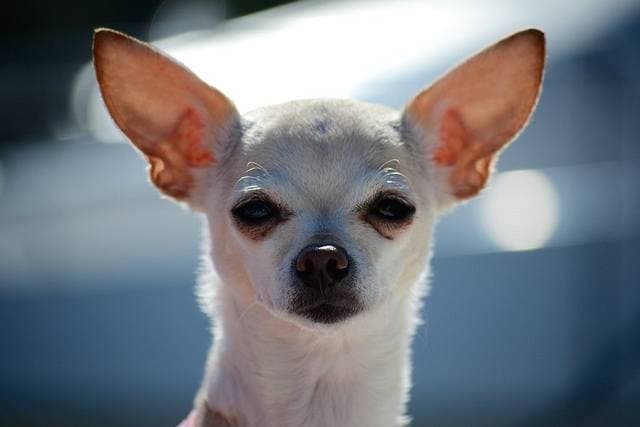
Chihuahuas are small dogs with individual preferences and personalities. Some form close bonds with one person, while others enjoy several familiar caregivers. Neither loyalty nor behavior around children can be guaranteed by the breed name. Good care combines protection from injury with opportunities to explore and learn.
Handle a small dog thoughtfully
The AKC Chihuahua profile describes a compact companion associated with Mexico. Its size makes rough handling, falls and collisions especially important concerns. Teach children to interact gently at floor level, and let the dog move away. Adults should manage lifting and supervise contact rather than assuming the dog will tolerate being carried.
Support the body when lifting, and do not grab legs or pull the collar. Provide a resting place where nobody reaches in to disturb the dog. If a Chihuahua growls when approached or handled, create space and investigate the reason; pain or fear may be involved. Small teeth can still cause an injury.
Training and daily activity
Chihuahuas benefit from walks, sniffing and play suited to their health and fitness. An indoor toilet area can be useful in some circumstances, but it does not replace movement and interesting experiences. Plan safe outdoor opportunities rather than treating the dog as a permanent passenger in a bag.
Use small food rewards, toys or enjoyable activities to teach recall, settling and comfortable handling. Introduce unfamiliar people and dogs at a manageable distance. Avoid forcing greetings with larger dogs simply to make a puppy sociable. Secure equipment and careful supervision help prevent a frightening experience.
Build comfort with short periods alone gradually. Arrange care when your schedule would leave a puppy without needed toilet breaks or support. Repeated barking or destructive behavior may signal distress or an unmet need; it should not be dismissed as a feature of a tiny breed.
Trembling and temperature
A Chihuahua may tremble when cold, excited or frightened, but shaking is not automatically harmless. New or persistent trembling, weakness, vomiting, pain or unusual behavior warrants veterinary advice. Very small puppies can become unwell quickly, so do not wait for a dramatic change before asking for help.
A well-fitting coat may improve comfort in cold or wet weather if the dog tolerates it. Check that clothing allows normal movement and does not rub. In warm conditions, provide shade and water and avoid strenuous activity on hot surfaces. Never leave a dog in a parked vehicle.
Coat, teeth and nails
Smooth-coated and long-coated Chihuahuas both need grooming, although the amount differs. Brush gently and check for tangles in longer hair. Bathe when needed with a dog-appropriate product and comfortably lukewarm water; hot water does not safely improve skin care by opening pores.
Introduce toothbrushing with a dog-safe toothpaste and seek veterinary advice about dental checks. Keep nails comfortable and examine ears without inserting cotton buds into the canals. Ask a professional to demonstrate handling if the dog becomes worried or if you are uncertain how much nail to trim.
Food and preventive health
Choose a complete food appropriate to life stage, measure portions and include treats in the day's allowance. Table scraps and a selection of meat or vegetables are not automatically a balanced diet. Do not feed cooked bones or use supplements routinely without advice. Fresh water should remain available.
Discuss meal frequency for a small puppy with your veterinarian rather than copying an adult schedule. Monitor appetite and body condition, and seek help for sudden changes. Ask breeders for relevant health-screening records and choose health and comfortable movement over claims about exceptionally tiny size.
A Chihuahua can be a rewarding companion when its needs are taken seriously. Prepare for the practical work of care, keep interactions gentle and let confidence develop through predictable experiences.