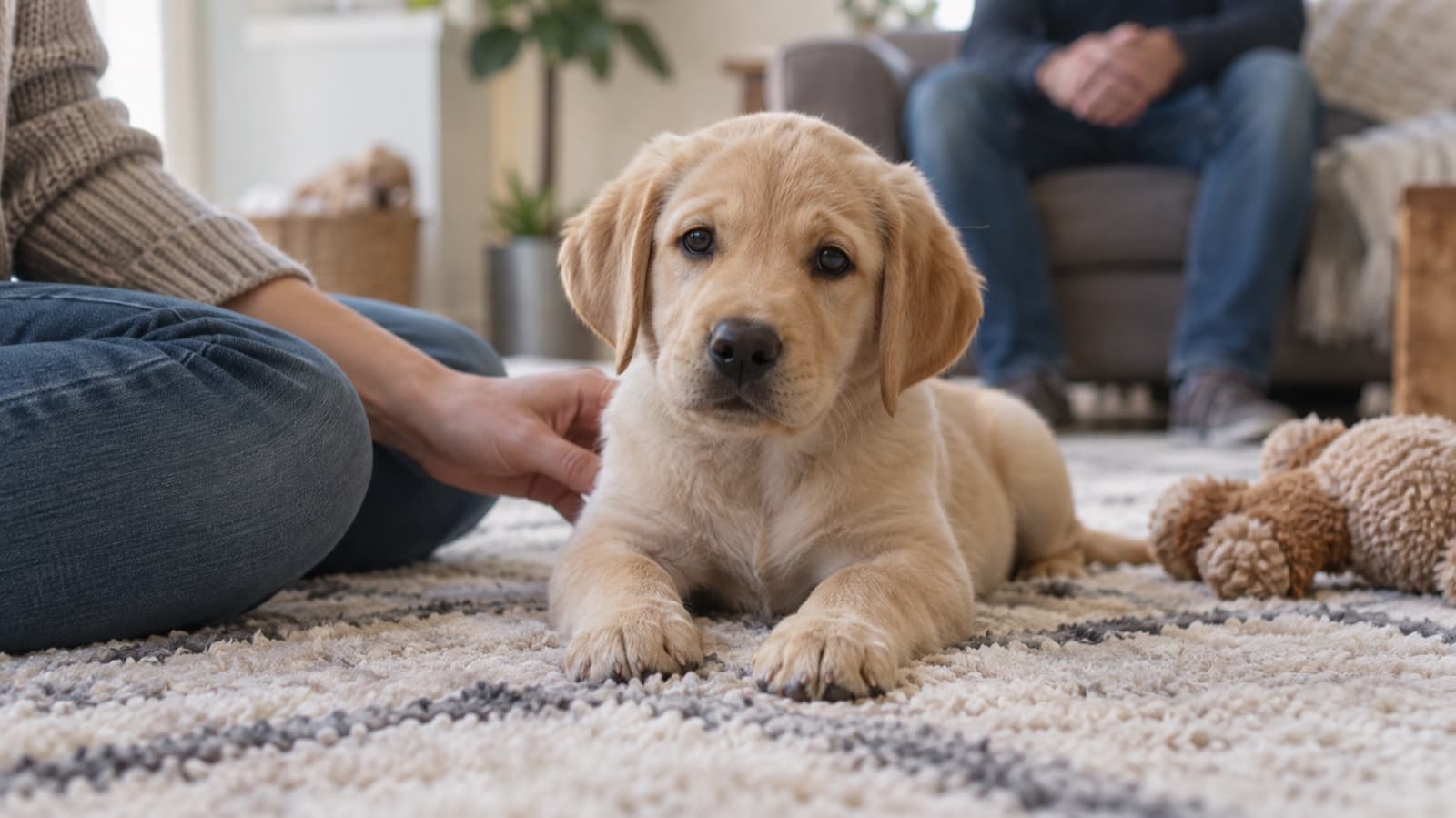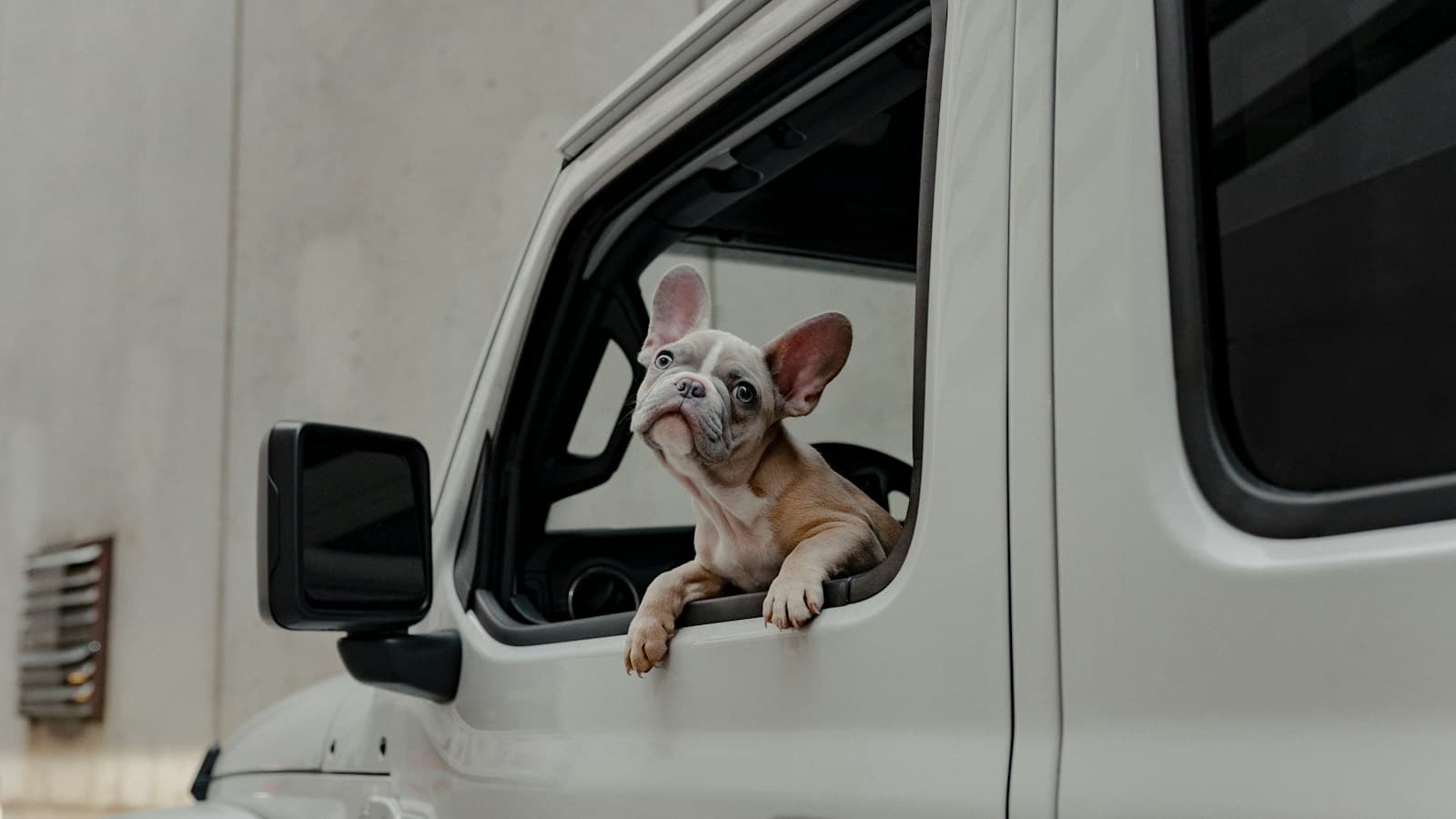
A dog that spends time outdoors still needs companionship, exercise, training and veterinary care. Before choosing an outdoor arrangement, consider the individual's health, age, coat, behavior and the conditions throughout the year.
Dogs are not yard decorations or substitutes for a security system. Isolation, unsuitable restraint and exposure can create serious welfare problems. The goal should be a comfortable, secure routine with meaningful involvement in household life.
Avoid permanent chaining
The RSPCA's guidance on keeping dogs outside advises against tethering except for very short periods because it can cause injury and restrict normal behavior.
Tethers can tangle around objects or limbs, and equipment may catch or tighten. A restrained dog can also be approached by people or animals without having room to withdraw. Do not build a permanent care plan around gradually increasing the number of hours spent on a chain.
Use a securely fenced area where appropriate, with supervision and regular access to people. If a temporary restraint is unavoidable, assess the immediate risks and follow applicable local requirements. It should never become the dog's default living arrangement.
Check the perimeter and access points
Choose fencing and gates appropriate to the dog's size, climbing ability and tendency to dig. Inspect the bottom edge, latches and any damage regularly. Keep movable objects away from fences where they could become steps for an escape.
A second barrier near a frequently opened gate can help prevent accidental exits. Ensure delivery workers and visitors can approach without entering the dog's space.
Consider neighboring animals, passing pedestrians and sights that cause repeated barking or lunging. Screening part of a fence may reduce visual stimulation. If the dog spends much of the day reacting at the boundary, change the setup and seek behavioral support.
Provide a suitable shelter
Shelter should remain dry, stable and protected from wind and rain, with enough room for comfortable movement and rest. The dog must be able to stand, turn and lie naturally. Ventilation matters too; a sealed box can become hot or damp.
Use durable, safe materials and check for protruding nails, sharp edges, splinters and chew damage. Paints, treatments and insulation must be appropriate and inaccessible to chewing while they pose a risk.
Bedding should stay clean and dry. Check it frequently after rain or cold weather, and replace soiled or damaged material promptly. Old clothing is not a universal solution: loose pieces may be chewed, swallowed or remain wet against the dog.
Plan for heat and cold
Shade must remain available as the sun moves, and fresh water should be accessible at all times. A small shelter in direct sun can overheat even when it protects from rain. Provide a cool indoor alternative during hot conditions.
Cold tolerance differs between dogs, and a thick coat does not make every outdoor situation safe. Puppies, older dogs, short-coated dogs and animals with illness may be particularly vulnerable. Bring the dog into suitable indoor accommodation when conditions exceed its comfort or safety.
Do not rely on a blanket, coat or improvised heater to compensate for unsuitable housing. Electrical heaters and cables introduce additional risks outdoors. Ask your veterinarian about the dog's needs and have a practical plan for storms, heatwaves and freezing weather.
Food, water and sanitation
Provide measured meals of an appropriate complete diet and monitor body condition. Keep feed secure from wildlife and pests, and remove leftovers before they spoil.
Wash bowls regularly and check water often enough to ensure that it remains clean and unfrozen. Position bowls where they cannot easily be tipped, while keeping the area accessible and comfortable for the dog.
Remove feces promptly rather than waiting several days. Maintain drainage and clean frequently used surfaces with products suitable for animals, following instructions for rinsing and drying. Keep the resting and feeding area separate from the chosen toilet area.
A yard does not replace walks
Most dogs benefit from daily opportunities to explore beyond a familiar enclosure, with activity adapted to age and health. Sniffing walks, play and training offer experiences that pacing a fence cannot. Off-leash exercise belongs only in settings where it is safe and permitted.
Teach comfortable leash walking and recall with rewards. Do not wait until a dog must be moved in an emergency to discover that it cannot be handled safely. Practice entering the house and car, accepting a harness and resting in an alternative space.
Offer suitable toys and food-search activities, checking them for wear and removing items that become unsafe. Rotate activities according to interest rather than leaving a pile of neglected objects in the yard.
Contact and behavior
Spend time with the dog in ways it enjoys: gentle contact, shared walks, play or relaxed company. Ear pulling is not an affectionate gesture to recommend. Watch for signs that the dog wants a pause and allow it to move away.
Repeated barking, pacing, escape attempts, withdrawal or increasing reactivity can indicate that the arrangement is not working. These signs do not mean every outdoor dog inevitably becomes aggressive, but they do call for assessment and practical change.
Avoid punishing distress or encouraging confrontation with passersby. A veterinarian can check for pain or illness and help arrange qualified behavior support. Secure management protects people while the cause is addressed.
Keep preventive care current
Outdoor dogs still need grooming, dental care, vaccinations and parasite prevention tailored to local risks. Inspect the coat, skin, paws and ears regularly, and check for injuries after vigorous activity. Do not assume that living outside makes a dog hardy enough to manage without treatment.
Make sure a reliable person can continue care during work, travel or illness. That person needs safe access, clear instructions and emergency contacts. Review the arrangement as the dog ages, because a space that once worked may become difficult for a less mobile animal.