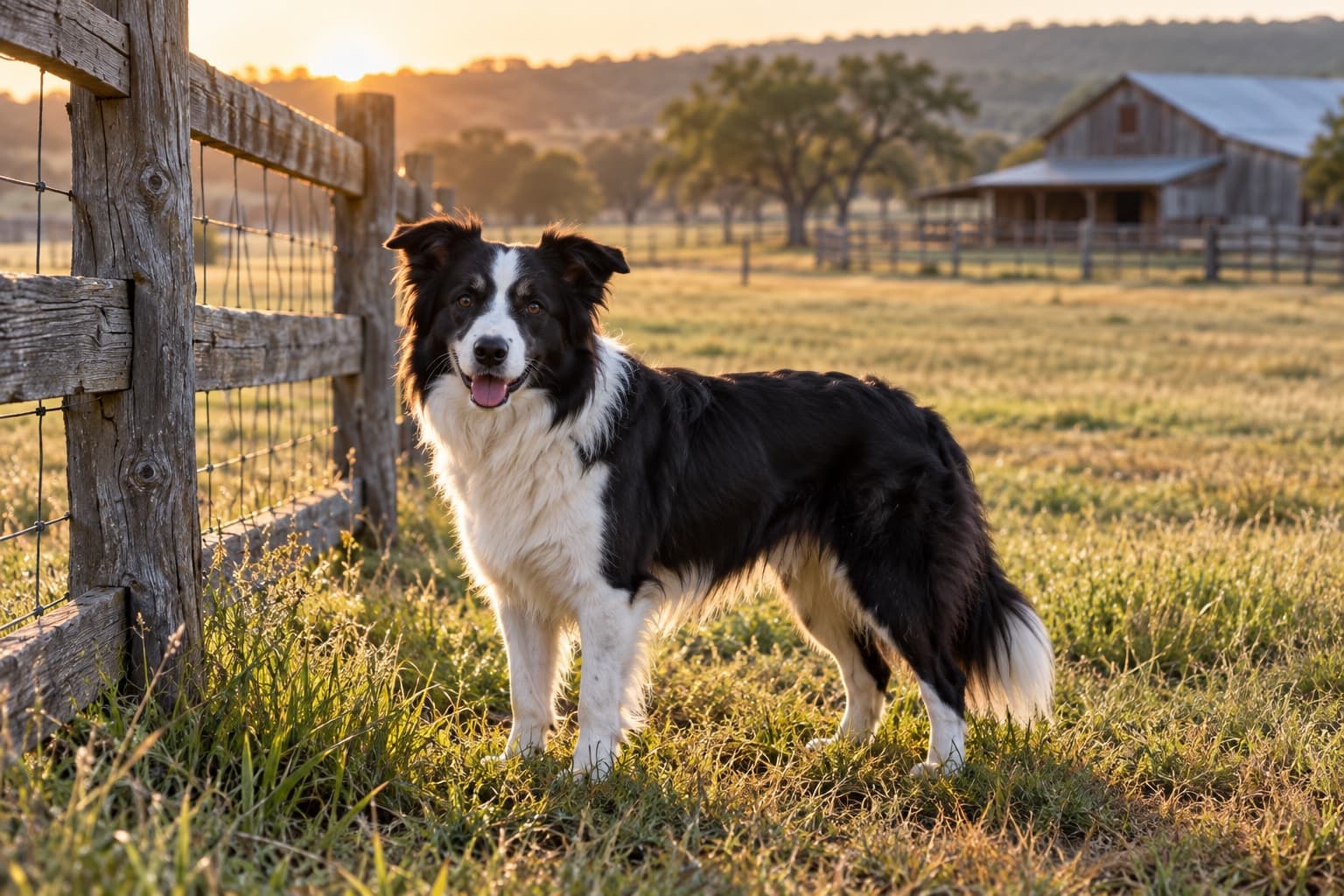
The Staffordshire Bull Terrier is a compact, muscular domestic dog developed in Britain. It is a distinct breed from the American Staffordshire Terrier, although their histories are related. Similar names can lead to incorrect measurements and care assumptions, so check which breed a description actually covers.
A compact build
The American Kennel Club's Staffordshire Bull Terrier profile gives a height range of about 14–16 inches at the shoulder. Adult weight varies by sex and individual, and a healthy body condition matters more than making a dog unusually heavy. A muscular appearance is not a reason to encourage excess feeding or weighted exercises.
The short, smooth coat comes in several recognized colors and combinations. It generally needs straightforward brushing, but the skin, nails, ears and teeth still require regular checks. Short hair does not mean the dog never sheds or needs no grooming.
History is not a behavior guarantee
The breed's background includes bulldog-and-terrier crosses and historical blood sports. Those activities are not appropriate models for modern care. A dog's present behavior depends on the individual, health, experiences and situation, not solely on a dramatic account of ancestry.
The nickname "nanny dog" should never be treated as a safety rule. Supervise children with every dog, give the animal a quiet retreat and teach children not to disturb food or sleep. Affection towards family members does not mean unlimited tolerance of rough handling.
Teach everyday skills
Use rewards to build loose-lead walking, recall, calm greetings and toy exchanges. Begin in easy settings and increase distractions gradually. A strong dog benefits from reliable habits, but strength is not a justification for harsh corrections.
Offer age-appropriate exercise, sniffing and play alongside rest. Avoid repetitive high jumps, hanging from toys or attempts to increase bite force. The aim is comfortable movement and cooperative activity, not demonstrating power.
Assess relationships individually
Introduce unfamiliar dogs carefully and manage interactions according to the animals involved. Do not assume either universal friendliness or inevitable conflict. Separate food and valued items if they create tension, and seek qualified help for guarding or intense reactions.
Practice time alone gradually and arrange care when needed. Barking or destruction can have several causes; punishment on your return does not teach what to do during an absence. Observe the pattern and ask for support if distress persists.
Ask about health records
Breed-relevant screening includes inherited concerns such as L-2-hydroxyglutaric aciduria and hereditary cataracts, alongside other assessments recommended by the breed club and veterinarian. Ask for the parents' actual results and understand what each test covers. No test or registration document guarantees lifelong health.
Lifespan estimates are population descriptions, not promises. Likewise, converting every dog year to a fixed number of human years oversimplifies development and aging. Plan ongoing veterinary care, appropriate food and regular body-condition checks. A responsible choice rests on the particular dog and the care you can provide, rather than a list of appealing slogans.