
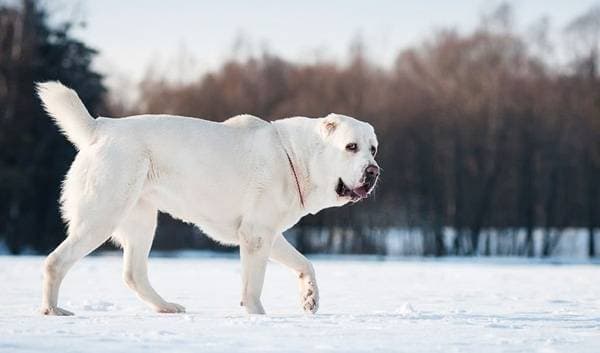
The Alabai, commonly known as the Central Asian Shepherd Dog, is a large livestock guardian with an independent approach to its surroundings. An impressive appearance can draw attention, but choosing one should begin with practical questions about experience, space, visitors and daily management. This is a substantial commitment, not a shortcut to home security.
Understand the guardian background
The breed is associated with a broad region of Central Asia and a history of protecting livestock. It should not be described as a dog that has remained genetically unchanged for thousands of years. The American Kennel Club profile emphasizes independence, endurance and territorial instinct.
That background helps explain why a guardian may notice unfamiliar movement around a boundary and make decisions without waiting for instructions. It does not mean every dog behaves identically or that a family pet automatically knows which visitors are welcome. Owners need to guide the routine and manage access.
Picture ordinary life with an adult
Think beyond the puppy stage. Can you transport a large adult to the vet? Is there space to separate the dog comfortably while repairs are carried out? Can the regular caregiver hold the leash securely? These questions are more useful than claims about bite strength or encounters with predators.
Meet adult dogs where possible and ask to see calm everyday handling. Speak with owners about the parts of care that require planning. An animal that looks composed in one familiar setting may respond differently to a delivery driver, a crowded path or a visiting dog.
Secure space needs active management
A garden is useful only if its boundaries and gates are suitable for the individual dog. Check for weak panels, gaps and access from neighboring properties. Arrange a second barrier or secure resting area so opening an outer gate does not provide a direct escape route.
Decide who checks gates and where the dog stays during deliveries. Give visitors clear instructions before they arrive. Do not rely on a sign, an electronic boundary or the assumption that a familiar person will always be accepted. Physical arrangements should make mistakes less likely.
Outdoor access does not replace human contact, clean water, shelter and a comfortable resting environment. Claims that an Alabai thrives on poor food or can tolerate any weather are not a care plan. Check conditions and provide appropriate protection, regardless of the breed’s working reputation.
Teach cooperation from the start
Begin with name response, hand targeting, recall in secure areas and calm movement through doors. Reward the behavior you want and practice where success is likely. An independent dog may need thoughtful motivation and repetition; increasing force is not a substitute for clear teaching.
Cooperative handling is especially valuable before the dog reaches full size. Work gradually on standing for examination, accepting a harness and allowing brief checks of feet and ears. Keep sessions short and ask a qualified trainer for help before avoidance becomes a struggle.
Introduce a properly fitted basket muzzle positively if recommended as part of your management plan. It should allow panting and be taught through comfortable steps, not forced on only during frightening events. Equipment supports care but does not remove the need for distance and supervision.
Socialization means manageable experiences
The aim is to help the dog observe people, animals and ordinary events without becoming overwhelmed. It is not compulsory greeting or unrestricted play with every dog. Choose distance, short sessions and easy exits. Pair unfamiliar sights with experiences the dog enjoys.
If your dog stiffens, fixes its attention or cannot disengage, make the situation easier. Keep notes about triggers and seek help from a reward-based professional. A busy dog park is not a reliable place to test whether a large guardian is sociable.
Visitors, children and other animals
Plan introductions rather than letting guests walk directly into the dog’s space. Settle the dog behind a secure barrier before opening the door. Some individuals may need separation throughout a visit, and that arrangement can be more comfortable than repeated forced greetings.
Adults must supervise contact with children. Do not assign the dog responsibility for protecting a child or expect it to interpret rough games correctly. Provide undisturbed sleeping and feeding areas. If an adult cannot pay attention, use separation rather than trusting a breed description.
Compatibility with resident dogs or cats requires individual assessment. Ask about known history and obtain help with introductions where needed. Successful contact with one animal does not establish safety with every animal, especially around valued food or resting places.
Exercise, food and routine care
Offer activity appropriate to age, fitness and health, including opportunities to explore at a comfortable pace. Do not use forced long-distance running to tire a growing puppy. Rest and calm observation should sit alongside movement in the daily routine.
Choose appropriate nutrition, monitor body condition and ask your vet about growth in a large puppy. Arrange grooming, nail care and preventive appointments before they become difficult to manage. Keep equipment large and sturdy enough for the adult you expect, then check the fit as the dog grows.
Questions for a breeder or rescue
Ask about the parents’ temperament, relevant health screening and how the puppies experience normal household handling. Request records you can verify rather than accepting “healthy bloodlines” as evidence. Discuss why the seller thinks this particular dog suits your circumstances.
Describe your actual home, including nearby animals, visiting children and time away. A responsible source should welcome that detail and discuss limitations. Ask what support is available after placement and what happens if the match does not work.
Check the practical constraints before committing
Confirm current local rules, housing conditions, insurance requirements and any travel restrictions with the responsible organizations. Those requirements depend on location and can change. Do this before paying a deposit or arranging transport.
Do not choose an Alabai for fighting, staged predator encounters or displays of aggression. Its welfare and public safety depend on preventing conflict. A suitable home values calm management, has experienced adult caregivers and can provide an enduring routine even when the puppy’s novelty has worn off.
For a second perspective on household fit, read the AKC’s Central Asian Shepherd lifestyle guide. Use it to prepare questions, then assess the individual dog with knowledgeable support.


