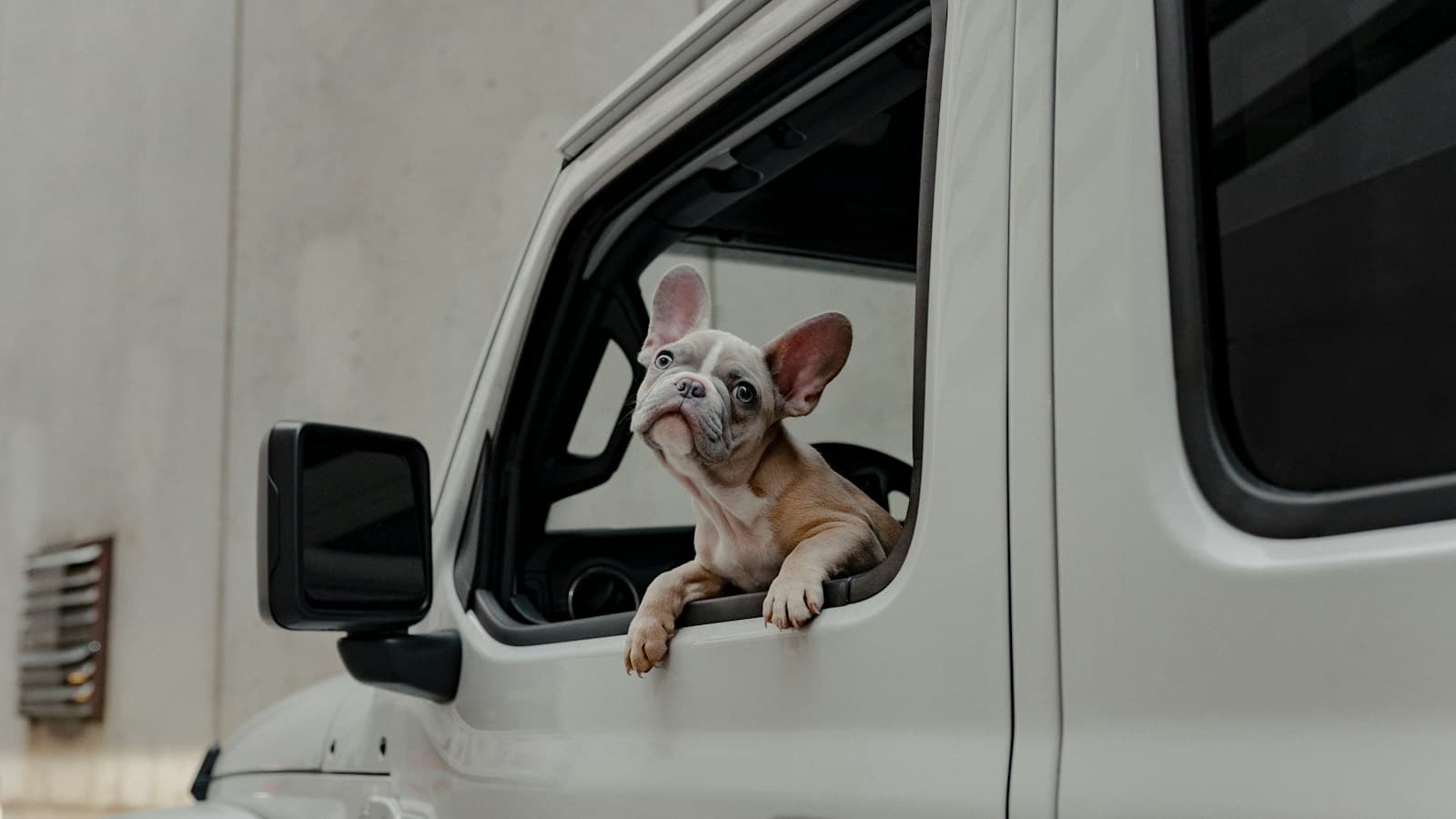
Choosing a puppy starts with deciding whether your household can meet a dog's needs for its entire life. Dogs do not grow into animals that can look after themselves. Food, healthcare, companionship, exercise and safe housing remain your responsibility through adulthood and old age.
Before reserving a puppy, consider the ordinary working week, the cost of unexpected treatment and how a new animal will affect everyone already living at home.
Match the dog to your routine
Think about the adult dog's likely size, activity, grooming and social needs. A small dog is not automatically quiet, and a large dog is not automatically unsuited to an apartment. Access to suitable outdoor activity, comfortable space and reliable daily care matters more than one measurement.
Puppies need frequent toilet opportunities, supervision and short lessons. One long evening walk cannot meet all those needs. Arrange daytime help before collection if work or travel will keep you away for long periods, and plan a gradual introduction to spending time alone.
Check rental terms, building rules and any relevant local requirements. Consider stairs, slippery floors, transport and how you would move the dog in an emergency. Equipment that suits a tiny puppy may soon need replacing.
Budget beyond the purchase price
Include complete food, veterinary visits, vaccinations, parasite control, identification, grooming, training and appropriate equipment. Set aside funds or consider suitable insurance for illness and injury. Read coverage conditions carefully rather than assuming every inherited condition or treatment will be covered.
Plan for holidays and unexpected absences. Identify a reliable carer and discuss the dog's routine before an urgent need arises. A realistic care arrangement is more useful than hoping a neighbor will always be available.
Puppy or adult dog?
A puppy offers the opportunity to shape early experiences, but requires substantial time and patience. An adult dog from a responsible rescue may have a more predictable size and a known household history. Adult dogs can learn new skills and form close relationships too.
Neither choice guarantees an effortless transition. Ask about medical needs, comfort with being alone, behavior around other animals and the support available after adoption or purchase. Be honest about your own experience so a suitable match is more likely.
Look beyond stereotypes
Sex alone does not establish that a dog will be calm, loyal or aggressive. Likewise, a purebred puppy is not guaranteed to match every breed description, and a mixed-breed puppy is not automatically free of inherited disease. Health and behavior deserve individual assessment.
Breed information can help estimate adult size, coat care and likely interests, but there will be variation. When parentage is uncertain, accept that adult appearance and size may be less predictable. Avoid choosing primarily for a fashionable color or exaggerated physical feature.
Assess the source carefully
The American Veterinary Medical Association's guidance on selecting a pet dog encourages owners to consider health, behavior and the commitment involved. Visit the environment where the puppy is raised when possible, and ask to see its mother. There should be a clear explanation if that is not possible.
Observe cleanliness, space, handling and how the dogs respond to their familiar carers. A responsible source should welcome questions, ask about your household and provide time to decide. Pressure to pay immediately or arrange a rushed handover deserves caution.
For a breeder, request relevant health-screening results for both parents, not just a statement that a vet has seen them. Confirm which tests are recommended for the breed and how to verify the results. Registration papers document ancestry within a registry; they do not certify freedom from disease.
Observe without conducting harsh tests
Watch the puppy move, explore, rest and interact in familiar surroundings. Ask the carer what it is like across a normal day. One sleepy visit or one enthusiastic greeting cannot predict lifelong temperament, and shyness does not make a puppy a bad dog.
Do not roll a puppy onto its back, startle it or take away food to test dominance. Such exercises are not a sound basis for selecting a companion. A puppy showing marked fear, repeated distress or unusual behavior needs informed assessment and a household prepared to help.
Check health and records
Look for comfortable breathing, clear eyes, clean skin and normal movement, but recognize the limits of a visual inspection. A cold, wet nose does not prove health. A swollen abdomen, persistent diarrhea, coughing, discharge or marked lethargy should be investigated before transfer.
Ask for the date of birth, microchip details where applicable, vaccination records and parasite treatments with product names and dates. Obtain the current food and feeding schedule, medical history, purchase or adoption agreement and any registration documents promised.
Arrange an independent veterinary examination promptly after arrival, following the agreement's timing where relevant. Bring all records so the veterinarian can plan care without unnecessary assumptions about which treatments have already been given.
Prepare for a gradual transition
Puppies generally should not leave their mother and litter before at least eight weeks, and local rules or individual circumstances may require longer. Good early experiences also matter: ask how the litter has encountered gentle handling, household sounds and appropriate social contact.
Prepare a safe sleeping area, secure barriers, bowls, a suitable harness or collar and identification. Put medicines, cleaning products, loose cables and small swallowable objects out of reach. Introduce existing pets gradually with separate resting and feeding spaces.
Agree on household routines before the puppy arrives. Decide who handles early toilet trips, meals, training and veterinary appointments. Consistency reduces confusion for the puppy and prevents the work from falling unexpectedly to one person.
Choose with enough time to ask questions and walk away from a poor match. A responsible decision is based on the needs of the individual dog and the care you can provide, not on the urgency of a seller or the appeal of taking a puppy home that day.