The Shih Tzu is a small companion dog with a long coat and a history associated with Tibet and Chinese court life. Its name and appearance have inspired many colorful stories. Those legends can be interesting, but choosing a dog should center on health, comfort and the care it needs today.
A companion with individual preferences
The AKC Shih Tzu profile describes a lively, affectionate companion. Individual dogs still differ in confidence, sociability and activity. A breed reputation cannot guarantee that a puppy will enjoy every child, unfamiliar dog or visitor, or that it will be content alone throughout the working day.
Teach useful skills from the start: responding to a name, coming when called, toileting in an appropriate place and settling in a bed. Use short, rewarding lessons and provide plenty of rest. New experiences should be introduced gradually, allowing the puppy to observe without being overwhelmed.
Adults can learn too. If adopting an older dog, ask about its home routine, handling preferences and any health concerns. Give it time to settle before expecting reliable behavior in unfamiliar surroundings. Predictable meals, walks and quiet periods make adjustment easier.
Coat care needs a realistic plan
A full-length coat requires frequent, careful combing to prevent tangles close to the skin. Pay attention behind the ears, under the legs, around the harness and beneath the tail. A shorter pet trim may simplify upkeep, but it does not eliminate brushing or skin checks.
Introduce grooming in small steps with rewards. Do not wait until the coat is heavily matted and then expect the dog to tolerate a long session. Ask a professional groomer or veterinary team for help with tight mats; scissors close to folded skin can cause serious cuts.
Keep facial hair from irritating the eyes or becoming heavily soiled around the mouth. Any ties should be comfortable and checked regularly, without pulling tightly. Use suitable dog products and protect the eyes during bathing. Dry the coat carefully in a comfortable environment.
Eyes, teeth and ears
The Shih Tzu's prominent eyes are vulnerable to irritation and injury. Squinting, rubbing, redness or sudden discharge needs prompt veterinary attention. Do not assume persistent tearing is merely a cosmetic issue or put ear-cleaning lotion into the eyes.
An undershot bite is associated with the breed standard, but teeth should not cause painful contact with soft tissue. Arrange dental checks and introduce brushing with dog toothpaste. Small size does not protect against dental disease, and a dog may continue eating despite oral discomfort.
Inspect ears for odor, redness or pain and follow veterinary advice about cleaning. Do not insert cotton swabs into the ear canal or clean aggressively on a rigid schedule. Nail-care frequency also depends on growth and wear; check regularly rather than assuming a monthly trim is always enough.
Breathing and exercise
Short-faced anatomy can be associated with obstructed breathing. Persistent snoring, noisy breathing while awake or poor exercise tolerance deserves assessment. These signs should not be accepted automatically as normal breed behavior. Marked breathing difficulty, collapse or blue-tinged gums requires emergency veterinary care.
Choose manageable walks and play in suitable weather. Avoid strenuous exercise in heat or humidity, provide water and let the dog rest. A short walk can be useful, but the correct routine depends on the individual rather than the assumption that all Shih Tzu are inactive lapdogs.
Prevent unsafe jumps from high furniture and support the dog securely when lifting. Steps or ramps may help, especially for an older dog. Keep floors reasonably grippy and discuss changes in movement or reluctance to jump with your veterinarian.
Children, other pets and choosing well
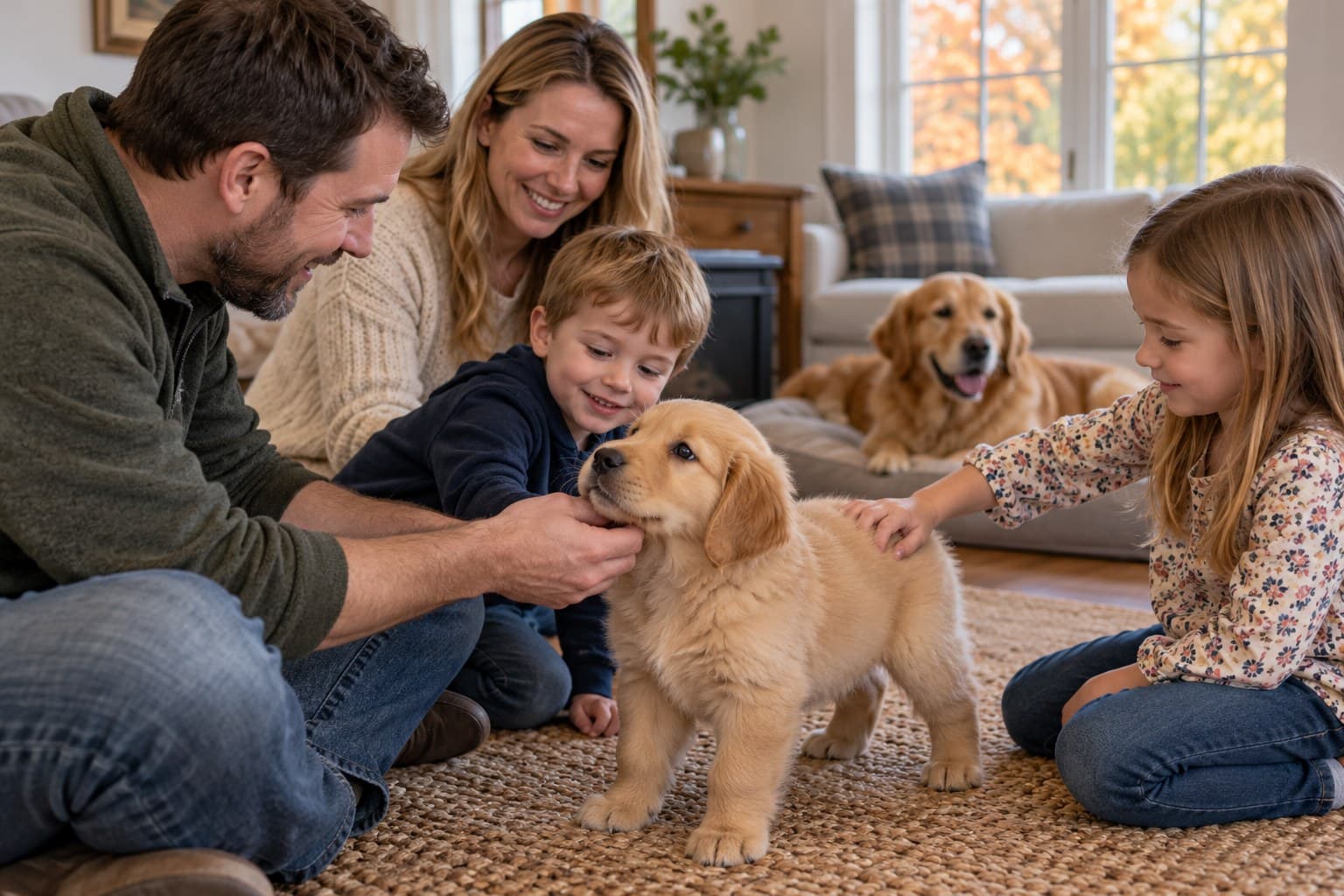
Have children sit calmly for supervised interaction, allowing the dog to approach. Prevent poking at the eyes, tight hugging, chasing or disturbance during meals and sleep. Provide a resting area the dog can enter without being followed. Never rely on a gentle reputation as a substitute for adult supervision.
Introduce other animals slowly, using barriers and separate resources when needed. Ask a breeder for relevant parent health-screening records and the puppy's veterinary history. Choose comfortable function over exaggerated facial features and budget for grooming, routine care and unexpected treatment. A well-matched Shih Tzu can share family life when its needs are understood and consistently met.