Dog breed groups organize a wide range of animals by shared history, appearance or traditional work. They are useful starting points, but there is no single worldwide classification used by every kennel club. A dog's group does not determine its personality or whether it will suit a particular home.
Dogs separated from their wild ancestors thousands of years ago, not within the last century. Modern breed registries are much more recent. Confusing these two histories can make today's categories seem older and more biologically fixed than they really are.
Registry groups are not subspecies
The FCI breed nomenclature uses ten groups, including sheepdogs and cattle dogs, terriers, dachshunds, spitz and primitive types, and several hunting-related groups. The American Kennel Club uses a different grouping system. A breed may therefore appear under different headings in different countries.
These are administrative and historical categories, not separate species or subspecies. Mixed-breed dogs also remain dogs, even when they do not fit a registry's breed list. Registration describes ancestry within a system; it is not a certificate of good health or suitable behavior.
Hunting-related groups
Scent hounds were developed to follow odor trails, while sighthounds often relied on vision and speed. Pointing dogs helped locate game; retrievers brought it back; spaniels commonly flushed it from cover. These are broad descriptions, with variation between breeds and working traditions.
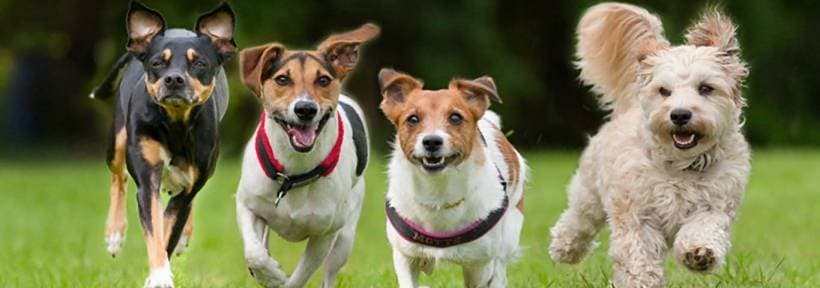
Terriers often have a history of pursuing small animals, and dachshunds developed for particular hunting tasks. Those backgrounds can inform safe management around wildlife and small pets. They do not mean a modern companion should be left to control pests or allowed to chase freely.
Herding, guarding and pulling
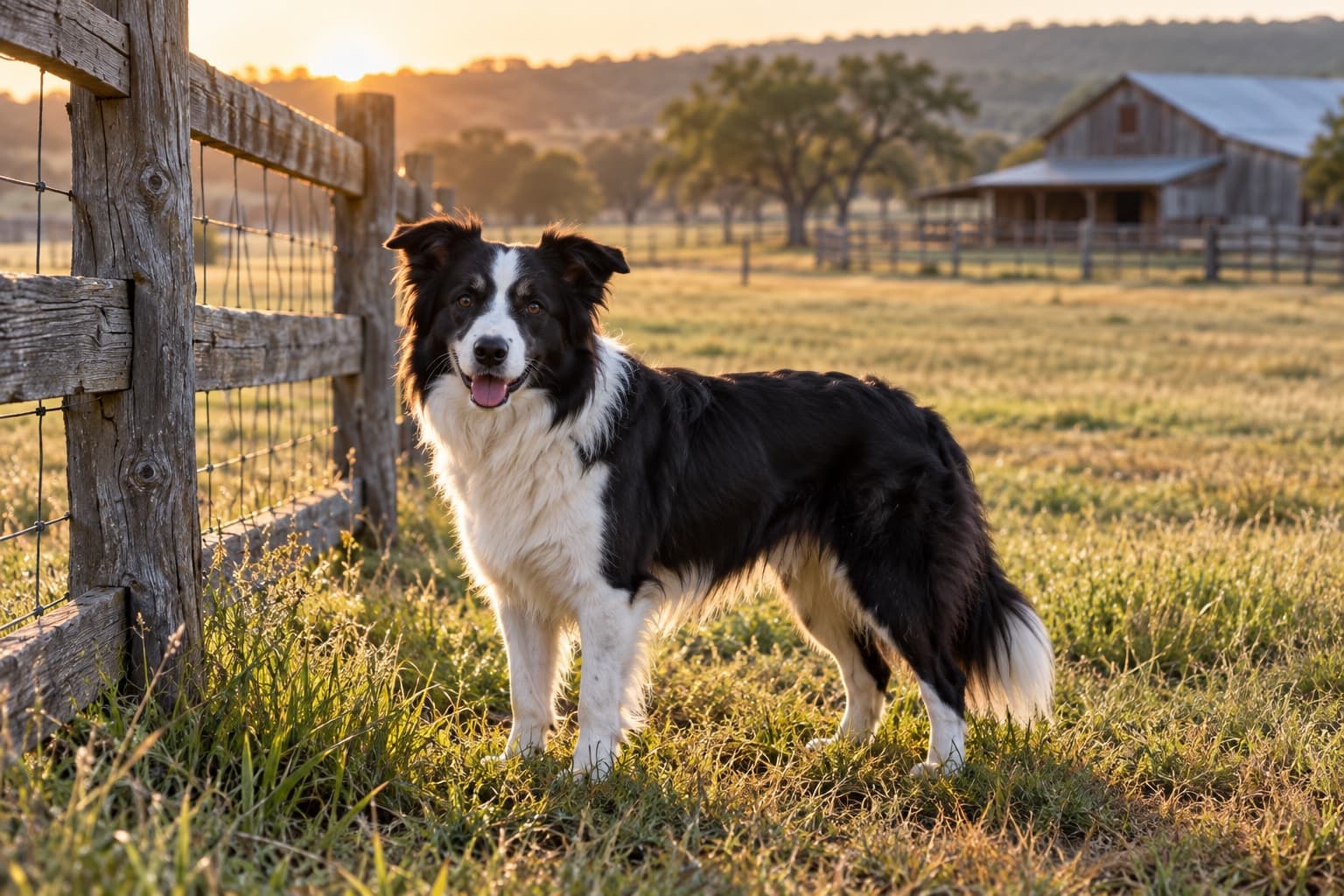
Herding dogs helped move and manage livestock, while other working breeds guarded property or pulled loads. Many now live as companions and enjoy suitable games, training or sports. Their original occupation does not disappear simply because their home is an apartment.
Siberian Huskies are sled dogs; they should not be confused with all hunting spitz or Laika breeds. Similar ears, coats and tails do not establish identical functions. Read the history of the actual breed instead of treating a broad visual type as one category.
Companion and toy dogs
Companion groups include dogs selected primarily for living with people. The informal term lapdog usually suggests a small dog, but not every indoor pet belongs to a toy group. A large dog can be a companion without becoming a lapdog in a registry sense.
Small dogs still need exercise, rest, veterinary care and thoughtful training. Larger dogs also vary greatly in activity and social preferences. Compare grooming, health screening, daily care and the individual's behavior before relying on a group label to choose your next pet.
When comparing breeds, ask what the historical work might mean in daily life. A dog selected to follow scents may need secure exercise areas, while one bred to watch livestock may need thoughtful introductions to visitors. Use those questions to guide research, not to make promises about a puppy.