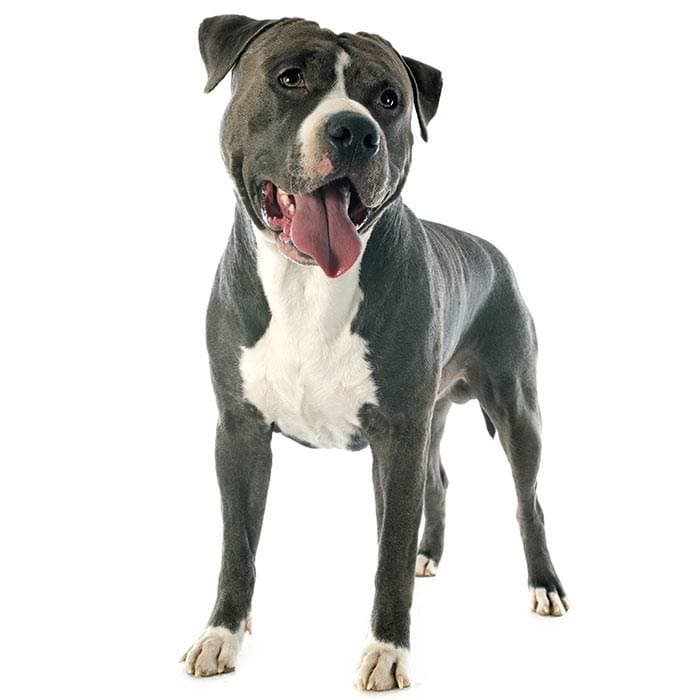
The American Staffordshire Terrier is a muscular, athletic dog with a short coat and a strong physical presence. Often called the AmStaff, it belongs to the terrier group, but describing it simply as a natural-born hunter misses both its background and the responsibilities of living with one today.
Background and expectations
The breed developed from bull-and-terrier ancestry. Historical uses of related dogs included fighting, a practice that should not be romanticized or encouraged. Modern companion dogs should be selected for health, stable behavior and suitability for their homes. The AKC breed profile is a starting point for understanding the breed's general characteristics.
An AmStaff may be affectionate and enthusiastic with familiar people, yet no breed can guarantee safe behavior in every situation. Claims that these dogs never act without reason, instinctively protect all children or require no training are misleading. Behavior is influenced by the individual dog's genetics, experiences, health and environment.
Before committing, meet the dog and discuss its history honestly with the breeder or rescue. Ask about responses to handling, unfamiliar dogs, visitors and time alone. Check current housing, insurance and local requirements for your circumstances before bringing a dog home, particularly if you rent or expect to travel.
Training for everyday life
Begin with attention, recall, loose-leash walking and a comfortable place to settle. Practice in quiet settings before adding distractions. Reward the behavior you want and prevent repeated rehearsal of unwanted behavior through sensible management. Physical intimidation does not make a dog more reliable.
Strength makes practical skills especially valuable. Teach waiting at doors, entering the car calmly and releasing toys in exchange for a reward. Introduce handling and veterinary procedures in small, positive steps. A basket muzzle can also be introduced as a comfortable skill if appropriate; it should allow panting and should never be used to force a distressed dog into contact.
If the dog growls, stiffens or tries to move away, stop and assess the situation. Punishing warnings may make interactions less predictable. A veterinarian can rule out pain, and a qualified behavior professional can help with a plan that protects both the dog and people.
Exercise, play and rest
Plan daily walks, sniffing and interactive games. A muscular appearance does not mean a dog needs relentless exercise, nor does a short coat make it a low-energy pet. Match activity to age and health, and increase demanding exercise gradually. Puppies should not be pushed into repetitive jumping or long-distance running.
Scent games and food puzzles can provide indoor activity. Teach a clear start and finish to play, and allow plenty of uninterrupted rest. Choose sturdy toys of a safe size, supervise new items and remove pieces that could be swallowed. Rough play should stop before either the dog or a person becomes overwhelmed.
Avoid assuming that running beside a bicycle is suitable for every dog. Fitness, joint health, temperature, surfaces and reliable handling all matter. Seek veterinary guidance before beginning strenuous activities and choose safer alternatives when conditions are unsuitable.
Children and other animals
An adult should actively supervise interactions with children. Prevent climbing, hugging, chasing and disturbance around meals or sleep. Provide a resting area behind a barrier where the dog can relax without being followed. Teaching children respectful behavior is as important as teaching the dog household cues.
Compatibility with other dogs varies. Arrange controlled introductions with enough space and avoid relying on a busy dog park to teach social skills. Separate animals for feeding and high-value chews where necessary. Small pets require secure protection, and some homes will need permanent separation between animals.
Health and routine care
The Staffordshire Terrier Club of America's health guidance recommends screening relevant to the breed, including hips, cardiac health and inherited cerebellar ataxia. Ask for actual results that identify the parents, and discuss their meaning with your veterinarian. A puppy looking strong or having registration papers is not evidence that screening was performed.
The short coat generally needs modest grooming, but check the skin and seek advice about persistent itching or redness. Maintain nail and dental care, feed measured portions and monitor body condition. Training treats count toward the daily food allowance.
An AmStaff is a long-term commitment to companionship, exercise and careful management. The best match comes from honest information about a particular dog and a household prepared to meet its needs, rather than either frightening stereotypes or promises of effortless perfection.