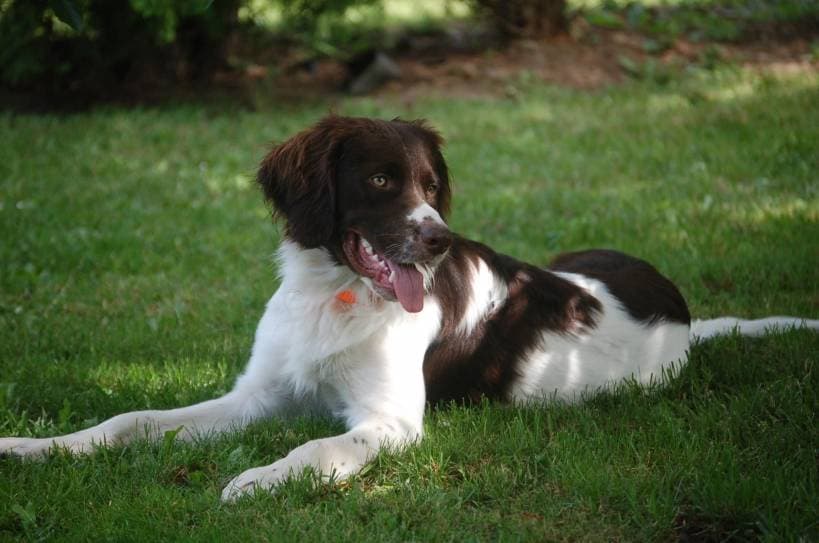
The Dutch Partridge Dog, also called the Drentsche Patrijshond or Drent, is a versatile gundog from the Netherlands. Its work traditionally included finding, pointing and retrieving game. That background helps explain its interest in scents and shared activity, but it does not make every individual an effortless family pet or trained search dog.
Appearance and background
The AKC breed standard describes a balanced, medium-sized dog with a predominantly white coat and brown markings. Feathering appears on the ears, legs and tail. The breed should not be described as universally exceeding sixty centimeters at the shoulder; individuals and sexes differ within the standard.
The Drent developed as a practical hunting and farm companion. Historical versatility does not mean a puppy arrives knowing how to herd, guard property or locate missing people. Those are distinct activities requiring suitable temperament, careful selection and training. Avoid choosing on romantic claims about a dog's ability to predict events or understand every request.
Activity that fits the dog
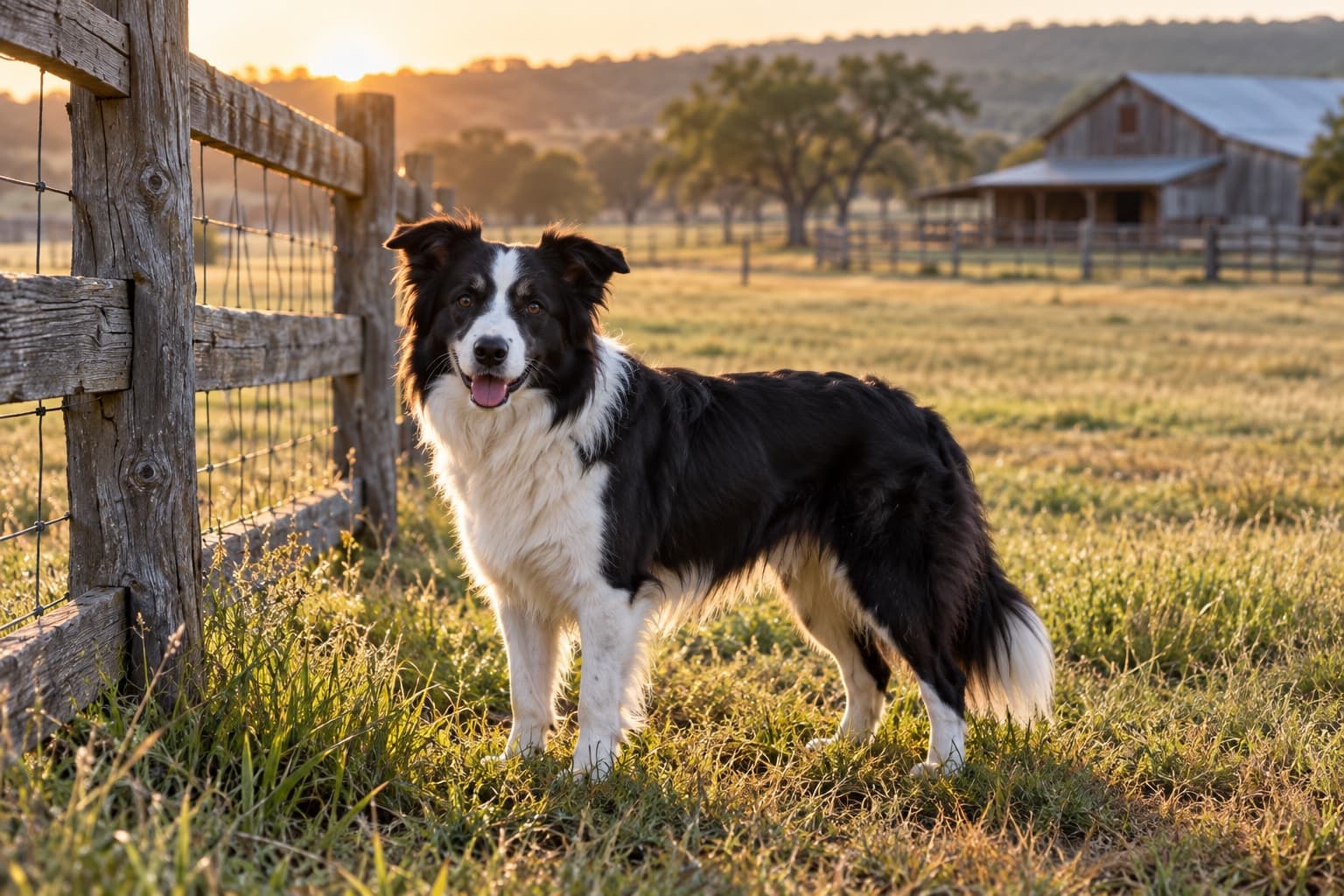
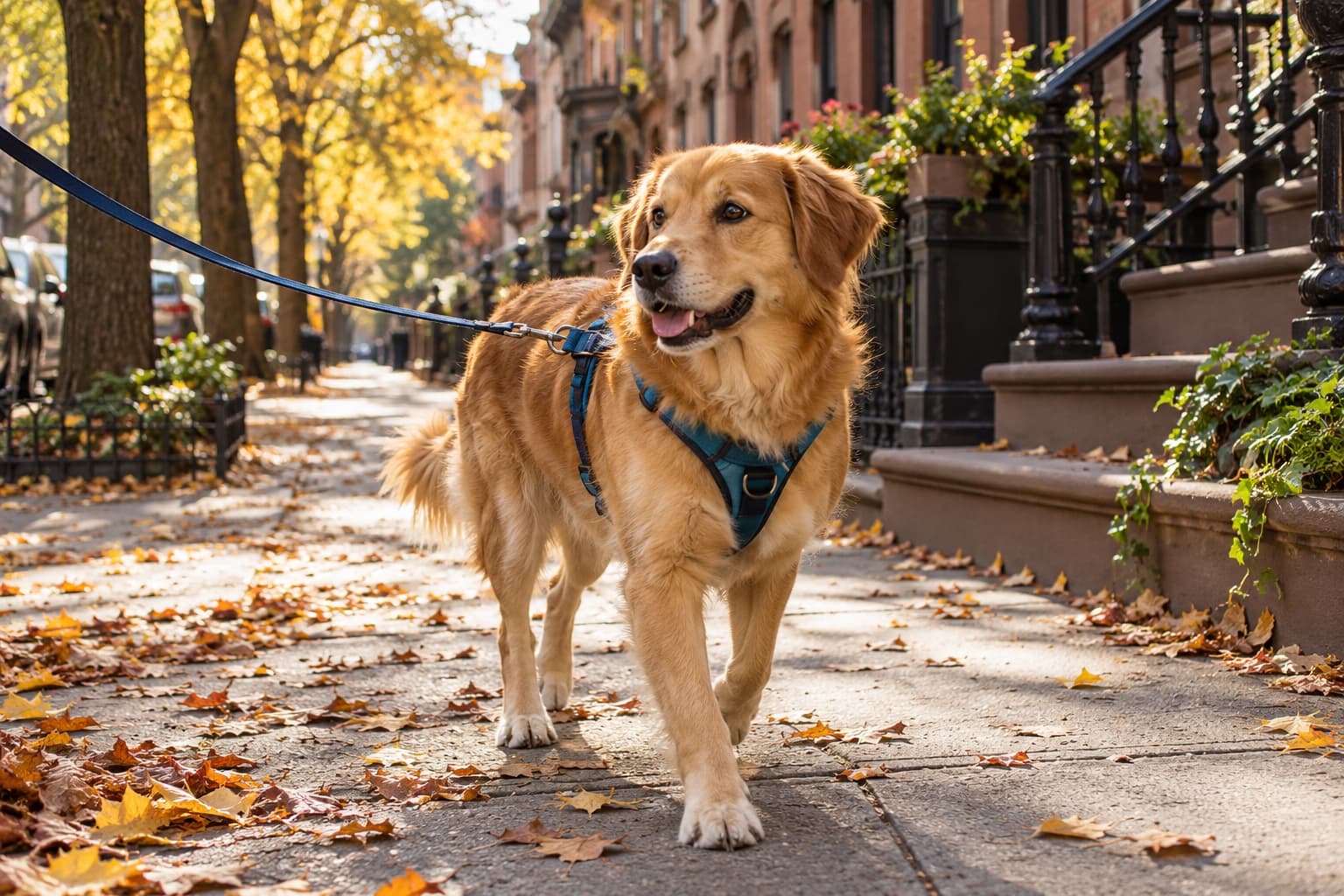
Daily walks, opportunities to sniff and short training games give an active dog useful outlets. A rural setting offers space, but fencing, wildlife and livestock still require management. An urban home may work when the household can provide suitable exercise and a comfortable place to rest; an address alone does not decide welfare.
Practice recall in an enclosed area and use a leash or long line where chasing game would be dangerous. Reward the dog for checking in during walks. Retrieving games can be enjoyable, but choose safe objects and avoid endless high-speed repetitions. Adjust activity to age, fitness and any veterinary advice.
Teaching and social experiences
Use clear cues and rewards, beginning in quiet surroundings. Increase distractions gradually rather than interpreting difficulty as defiance. A dog bred to work with people still needs help learning household routines, handling and time alone. Short, successful lessons are more useful than pressure to perform perfectly.
Introduce visitors and other animals at a comfortable pace. Friendliness is not guaranteed by breed, and a gundog's interest in birds or small mammals needs particular care. Use barriers and supervision around household pets. Children should respect meals, toys and sleep, with an adult managing interactions.
Coat care and choosing responsibly
Comb feathered areas regularly and check for burrs, seeds and tangles after outdoor activity. Inspect the ears, paws and skin, and establish gentle nail and dental care. Seek veterinary advice for persistent redness, odor or discomfort rather than relying on routine cleaning to solve every problem.
Ask a breeder for relevant parent health-screening results, the puppy's veterinary records and an explanation of its early experiences. Discuss the parents' activity levels and how the breeder matches puppies to homes. For an adult rescue, ask about behavior in a household similar to yours.
Plan for companionship as well as exercise. A garden or kennel cannot replace daily contact, comfortable shelter and appropriate rest. The best match is an individual Drent whose needs fit the time and support your household can reliably provide.