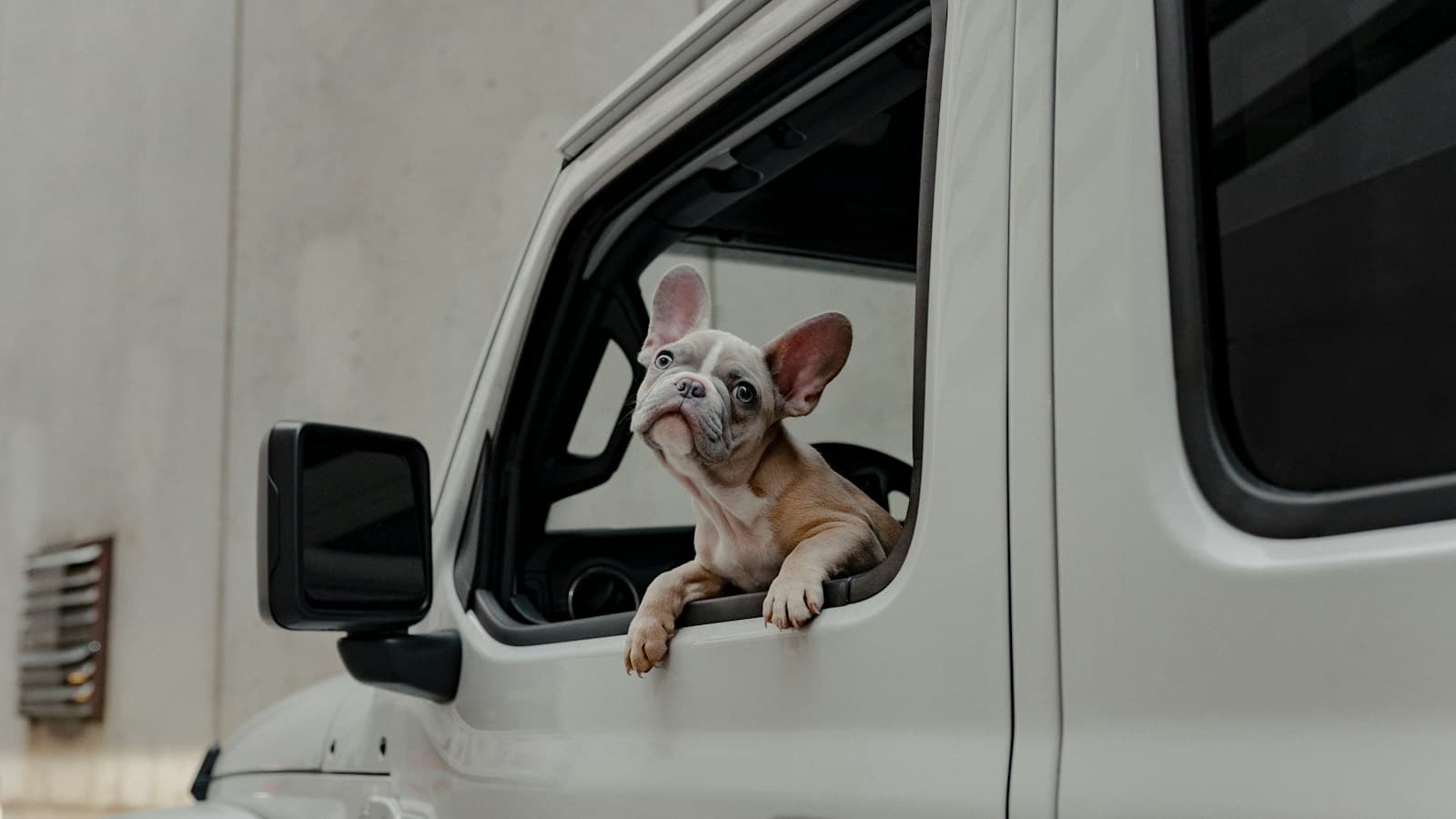
Designer dog is a marketing term commonly used for a planned cross between different breeds. Names such as Labradoodle, for a Labrador Retriever and Poodle cross, or Schnoodle, for a Schnauzer and Poodle cross, describe ancestry. They do not establish a uniform breed standard or guarantee a particular adult dog.
Inheritance is not a menu
A puppy does not necessarily receive the most convenient qualities of each parent. Size, coat, shedding, energy and behavior can vary, including among littermates. A first-generation cross may resemble one parent strongly or show a mixture of traits. Later generations also require careful selection; a label alone cannot predict the outcome.
Meet the individual dog and, where possible, its mother. Ask about the parents' adult size, everyday behavior and care needs. For an adult rescue dog, information from a foster home can help you understand how that dog responds to company, handling and time alone.
Allergy claims need caution
A curly coat or limited visible shedding does not make a dog allergen-free. The American Academy of Allergy, Asthma and Immunology explains that allergens come from proteins associated with animals, including their saliva and skin material. No dog breed is reliably hypoallergenic. A person with symptoms should seek individualized medical advice before bringing a dog home.
Low shedding also does not mean low maintenance. Some crossbred coats mat easily and need frequent combing plus professional grooming. Ask to see how the coat is cared for and budget for the likely adult needs rather than judging only a soft puppy coat.
Health depends on the breeding decisions
Crossbreeding does not eliminate inherited disease. Parents can carry conditions found in either breed, and some conditions affect many breeds. Ask for identifiable, relevant test results for both parents, not simply an assurance that they were checked by a veterinarian. Screening reduces some risks but cannot promise lifelong freedom from illness.
Responsible selection includes temperament, physical comfort and the ability to breathe and move normally. Avoid choosing extreme size or appearance at the expense of welfare. The puppy should have veterinary records, a clear age and an explanation of its early social experiences.
Choose for your actual household
Consider the activities associated with both parent breeds. A cross involving active working dogs may need substantial exercise and training. A small cross still needs toilet training, social contact and safe handling. No combination automatically produces a quiet, child-proof apartment companion.
Ask practical questions before paying: who will provide daytime care, where will the dog exercise, and can the household afford grooming and unexpected veterinary treatment? Visit the environment where the puppy is being raised and avoid pressure to buy immediately. A trustworthy breeder or rescue should welcome questions and explain the support available after placement.
Training and daily care remain important whatever the dog's ancestry. Use consistent cues, reward useful behavior and introduce new experiences gradually. Select the dog whose needs you can meet, rather than relying on a fashionable name or a claim that a particular cross combines every advantage of its parents.