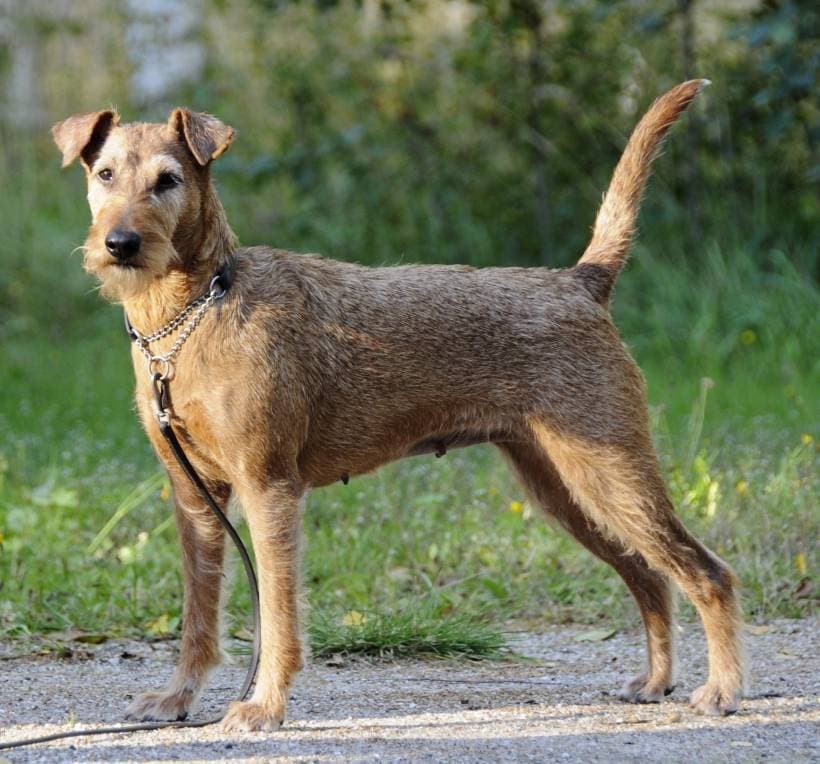
The Irish Terrier is a medium-sized, athletic terrier associated with Ireland and known for its red or wheaten shades and wiry coat. Its alert expression can be appealing, but ownership involves more than admiring a bold-looking dog. Consider activity, grooming, relationships with other animals and the time available for teaching useful habits.
History with sensible limits
The Irish Terrier is one of several terrier breeds developed in Ireland. Nineteenth-century shows and breed clubs helped shape the modern breed, but claims that it is conclusively the oldest Irish dog or the fastest of every terrier need stronger evidence than a repeated anecdote.
Historic descriptions may differ from the dogs seen today. Regional types, breeding decisions and changing standards all play a part in a breed's development.
It is not a reason to encourage fighting or expect automatic guarding ability. Modern care should channel normal behavior into safe activities and comfortable household routines.
An athletic outline
The breed has a relatively long head, folded ears, a balanced body and a harsh outer coat. Standards describe the preferred appearance for breeding and showing; individual height and weight vary. A companion's comfortable movement and body condition matter more than matching every descriptive phrase in a standard.
Do not use tail position alone to decide whether a dog is happy or safe to approach. Read the whole posture and situation, including tension, attempts to move away and vocalizations. A dog can hold itself high while excited, uncertain or aroused.
Exercise with purpose
Provide daily walks, sniffing and play suited to age and health. A garden is helpful only when secure and does not replace interaction. Food searches, cooperative toy games and short training tasks can provide mental activity without requiring endless high-speed exercise.
Check boundaries for gaps and opportunities to dig. Use a lead where chasing wildlife or approaching traffic is possible, and practice recall in enclosed areas. A dog that usually comes back may still be strongly distracted by a cat or other moving animal.
Build fitness gradually for any demanding sport. A puppy needs time to develop, and an older dog may need a different pace. Reluctance to move, limping or an abrupt change in enthusiasm deserves a health review rather than being dismissed as stubbornness.
Clear teaching without confrontation
Reward calm greetings, checking in on walks and letting go of a toy in exchange for something worthwhile. Keep sessions manageable and end before frustration rises. If the dog repeatedly fails, adjust the task, setting or reward instead of increasing pressure.
Barking can have several triggers, including excitement, alerting or distress. Identify the situation and teach a practical alternative while reducing overwhelming exposure. Punishment after a barking episode is unlikely to explain what to do the next time the same noise occurs.
Toilet habits develop through opportunity, supervision and reinforcement, not an automatic change at seven or eight months. Offer regular trips and reward the right location. A sudden loss of reliability can reflect illness or stress and should be assessed before assuming a training problem.
Family and other animals
Many Irish Terriers enjoy close relationships with their household, but no dog can be guaranteed never to bite or react defensively. Supervise children and provide a resting area where the dog is left alone. Teach gentle interaction and do not permit climbing, teasing or disturbance during meals.
Introductions to other dogs should be gradual and based on the individuals. Small pets may need secure separation, and a known household cat is not the same situation as an unfamiliar cat running outdoors. Manage resources such as food and toys if competition appears.
Practice comfortable time alone in small stages and arrange care when necessary. Destruction or persistent vocalizing may reflect distress or unmet needs. A second dog is not a guaranteed remedy and should be considered on its own merits.
Maintaining the wiry coat
Regular brushing and combing help remove debris and identify tangles or skin changes. The beard and hair beneath equipment need attention even when the outer coat looks tidy. A coat that sheds less visibly still needs care; it is not permanently clean or odor-free.
Discuss hand-stripping or clipping with a groomer familiar with the breed. The choice depends on coat condition, the dog's comfort and the desired finish. Do not pull at sore skin or cut mats close to the body. Introduce grooming in brief rewarded steps and ask for help if handling becomes difficult.
Include nails, teeth and ears in routine checks. Persistent odor, discharge, discomfort or a new dislike of touch should prompt veterinary advice. A grooming appointment does not replace an examination when a medical problem is suspected.
Health and responsible selection
Irish Terriers are not immune to disease. The Irish Terrier Club of America's health statement discusses inherited concerns including footpad hyperkeratosis and cystinuria. Ask what screening and family-history information are relevant to the particular parents, and review the records with your veterinarian.
For a rescue dog, obtain the medical and behavioral history available and discuss any ongoing treatment. Feed a suitable complete diet, monitor body condition and arrange preventive care. Good care reduces avoidable problems but cannot guarantee a lifetime without illness.
An apartment can work for some individuals if exercise, company and noise are managed, while a large property alone does not ensure a good home. Choose for the life you can provide consistently, with support available when plans change.