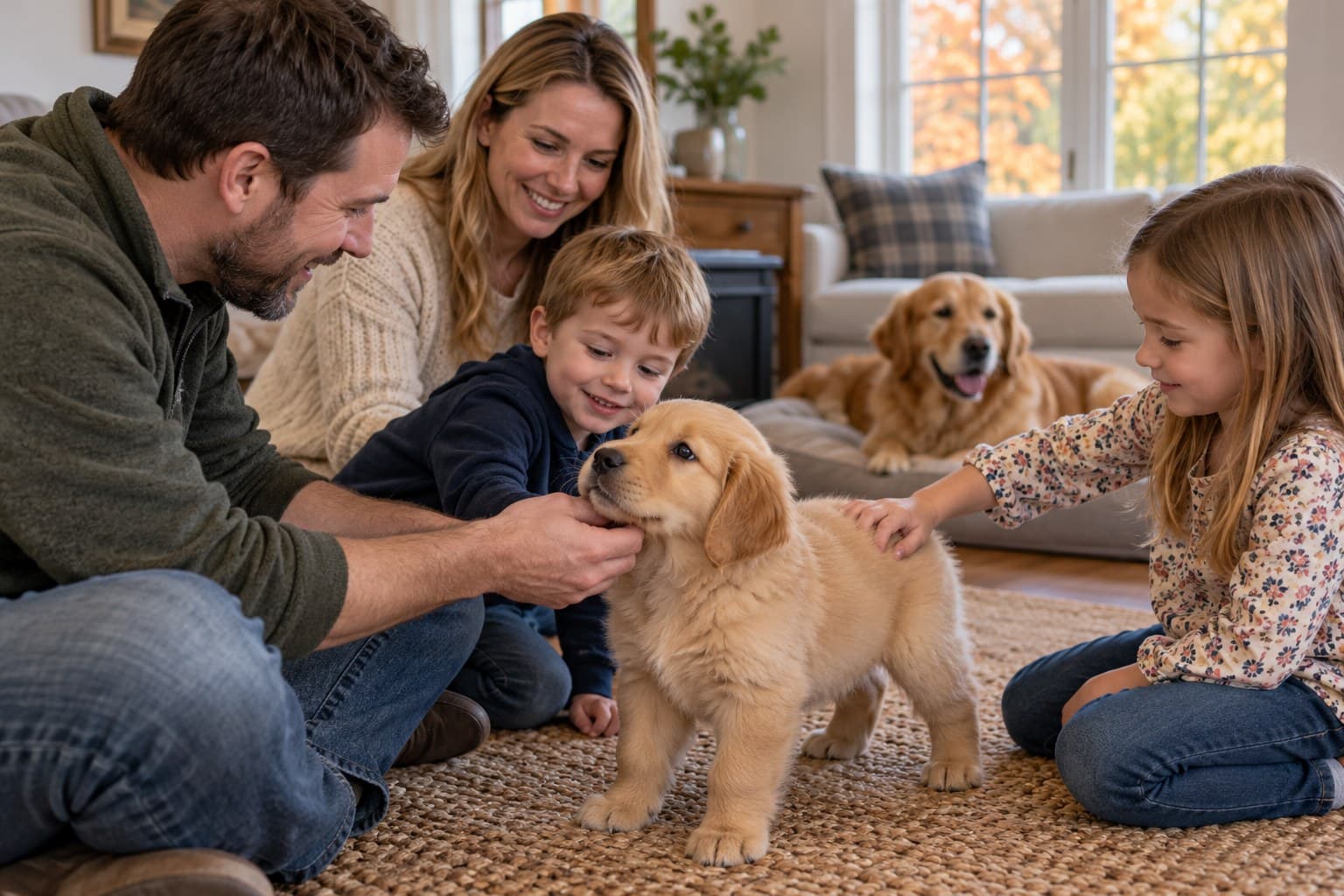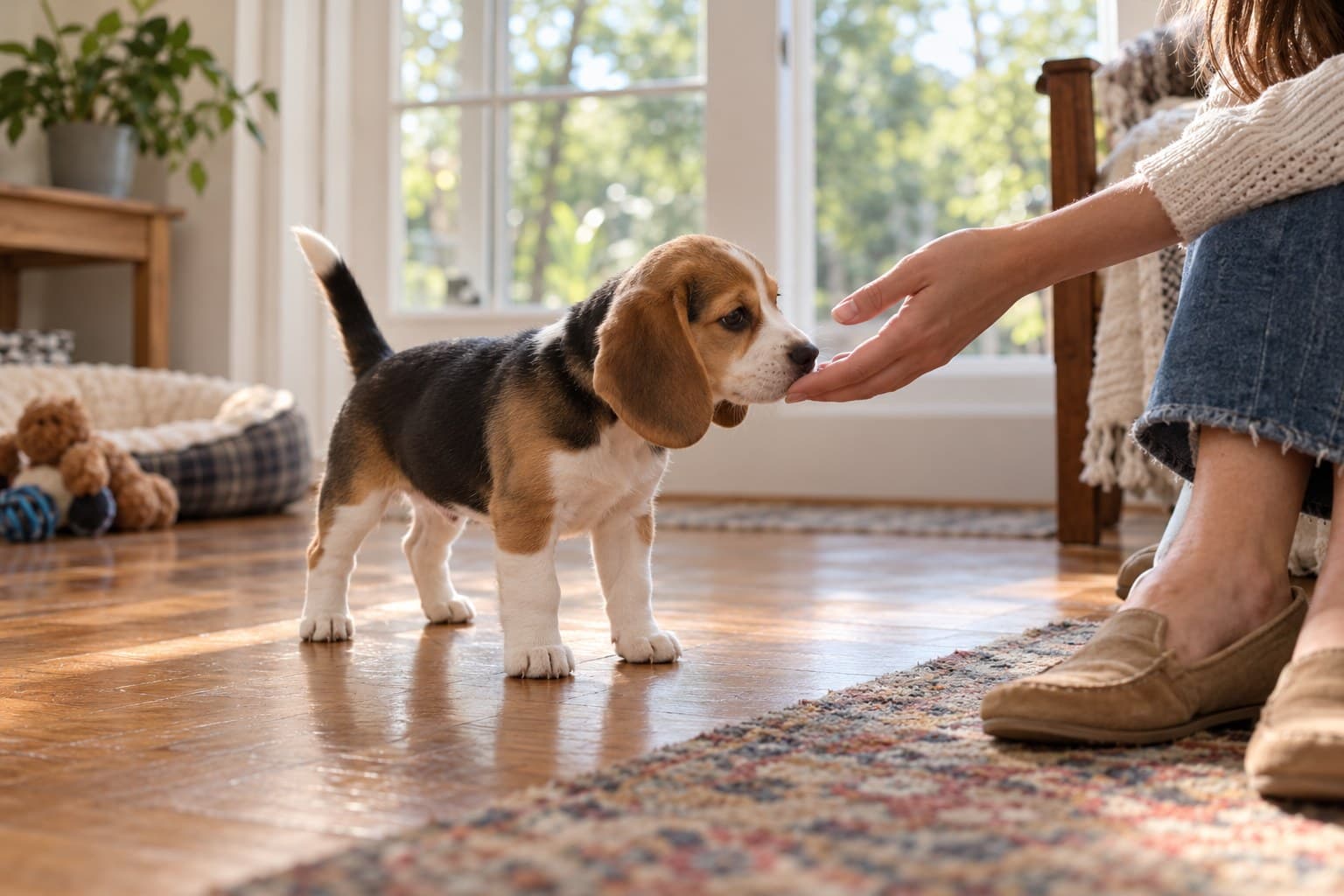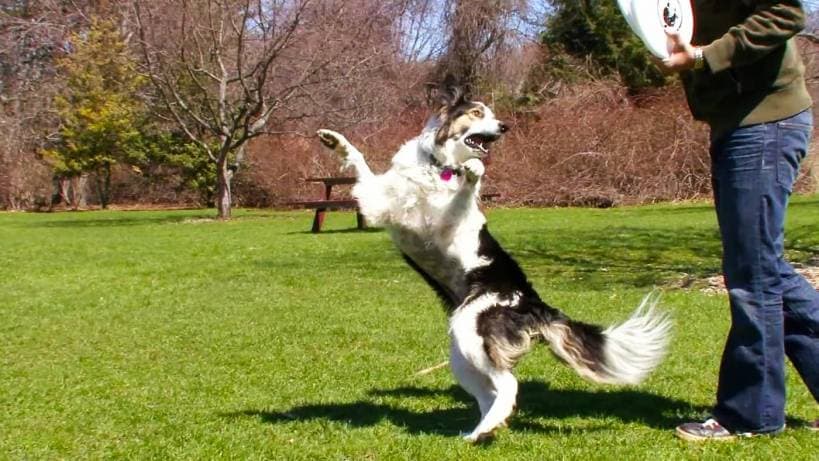
A companion dog shares everyday life with its owner: walks, quiet evenings, small routines and new experiences. That role is open to mixed-breed and pedigree dogs alike, including breeds originally developed for work. The useful question is whether you can meet the individual dog’s needs and enjoy the life you will build together.
The everyday benefits
Many owners value the structure of regular walks, the enjoyment of teaching a new skill and the company of an animal they know well. A dog can create opportunities to talk with neighbors or join a local class. These experiences are personal, however; ownership does not guarantee improved health or resolve loneliness for everyone.
Consider which parts you actually want. If a relaxed evening companion appeals more than weekend sport, an adult dog with a known settling routine may be worth considering. If you enjoy outdoor activities, choose a dog whose age, health and temperament suit them rather than expecting any pet to keep up.
Companionship includes care
Plan for food, veterinary appointments, grooming, training and someone to help during absences. A dog should not have to be effortless to deserve a place in the family. Puppies need teaching, adults need adjustment time and older dogs may need a different pace.
Make a realistic weekday schedule before you commit. Include travel time, overtime and bad weather. If the plan depends on a child doing every walk or a neighbor always being available, agree on reliable adult backup first.
Choose activities around the dog
Simple scent games and reward-based trick training can be enjoyable without special equipment. Hide a toy in an easy place, teach a hand target or practice settling on a mat while you read. Work in short sessions and leave the dog eager for another turn.
Agility involves guiding a dog through obstacles, but beginners should learn with suitable instruction and equipment. Puppies and dogs with health limitations need adapted activities; repeated high jumps are not a starting exercise. A class should let your dog progress at a comfortable pace.
Canine freestyle combines trained movements with music. It can begin with ordinary turns and positions rather than acrobatics. Choose movements the dog can perform comfortably, and avoid forcing stretches or balancing tricks for a performance.
Pulling sports such as skijoring require appropriate fitness, equipment and specialist instruction. Do not attach a leash to an ordinary collar and expect an inexperienced dog to tow you. Ask a vet about physical suitability and work with a qualified instructor before trying the sport.
Teach the skills that make outings easier
Practice waiting at a doorway, responding to a name, walking with a loose leash and leaving an interesting object. Reward success in a quiet place before adding distractions. Carry water and choose routes with room to move away from unfamiliar dogs.
A companion does not need to greet everyone. If the dog prefers distance, respect that preference and plan accordingly. Calm coexistence in a park is a worthwhile skill even when the animal has no interest in busy group play.
Allow rest and independence
Provide a comfortable place where the dog can sleep without being disturbed. Introduce brief, manageable periods apart instead of suddenly leaving a new pet alone for a full working day. Distress during absences calls for support, not punishment.
Ordinary companionship is different from a trained assistance role. Avoid assuming that enjoying your company qualifies a dog for access to places where pets are restricted. The strongest partnership is one built around clear expectations, patient learning and care that continues when life is less convenient.