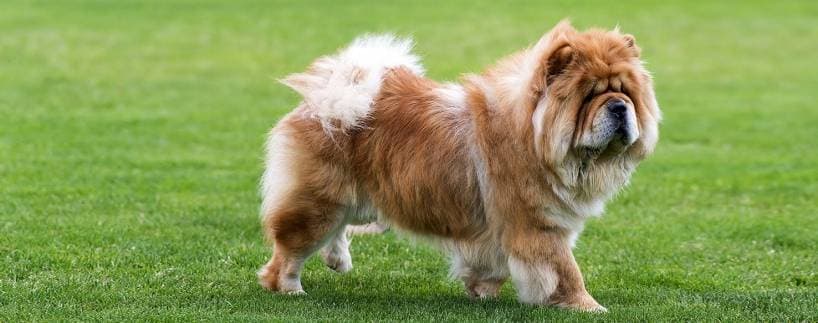
The Chow Chow is a distinct Chinese breed with a sturdy build, a curled tail and a characteristic blue-black tongue. It belongs to the broad spitz type but is not a variety of Pomeranian. Its bear-like appearance can be appealing, yet a thick coat and serious expression say little about how an individual dog will respond to daily handling.
The AKC Chow Chow profile describes the breed's background and characteristics. Historical anecdotes should not be used to suggest that modern Chows are part-wolf pets or that every individual has the same temperament. A reserved dog needs patient introductions and sensible management, not an owner determined to prove authority.
Living with an independent dog
Some Chows prefer calm contact with familiar people and may be less enthusiastic about strangers. Allow the dog to approach voluntarily. Avoid crowded greetings, forced cuddling or attempts to make it tolerate repeated touching. Teach useful skills with rewards, including coming when called, waiting at a doorway and resting away from household activity.
Short, clear lessons are easier to understand than physical confrontation. If the dog moves away, stiffens or growls, stop and assess the situation. A sudden reluctance to be touched can reflect discomfort. Veterinary assessment and qualified behavior support are appropriate when reactions make ordinary care difficult.
Exercise and home arrangements
Provide daily walks, opportunities to sniff and quiet activities suited to age and fitness. An apartment may work if the dog's needs are met, but no breed is automatically suited to every small home. Consider stairs, access to toilet areas, visitor traffic and the practical ability to handle the dog safely.
Avoid strenuous activity in hot conditions and provide shade, water and a comfortable indoor resting area. Watch the individual dog's response rather than assuming that a traditional working background makes it resistant to temperature extremes. Adapt the pace when conditions change.
Coat and routine care
Chows occur in rough- and smooth-coated varieties, and both need regular grooming. Work gently through the coat, paying attention to tangles beneath the surface and where equipment rubs. Ask a groomer to demonstrate appropriate tools. Do not pull painful mats or assume that a dog described as naturally clean needs no brushing or bathing.
Introduce paw, ear and mouth handling gradually, rewarding cooperation. Keep nails comfortable and establish dental care with veterinary guidance. Persistent odor, irritated skin or a new sensitivity should be investigated rather than covered with scented products. A grooming routine should support comfort as well as appearance.
Health and choosing a companion
Ask for documented breed-relevant health screening and information about close relatives. Discuss joint and eye health with your veterinarian; squinting, rubbing or discharge warrants prompt attention. Avoid choosing an exaggerated face or coat for appearance alone. Health testing informs decisions but cannot guarantee that a dog will never become ill.
Supervise contact with children and give the dog undisturbed space around food and sleep. Arrange careful introductions to other animals and maintain secure boundaries. Choose a Chow because you can provide patient teaching, grooming and long-term care, rather than expecting a cuddly ornament or an effortless guardian.