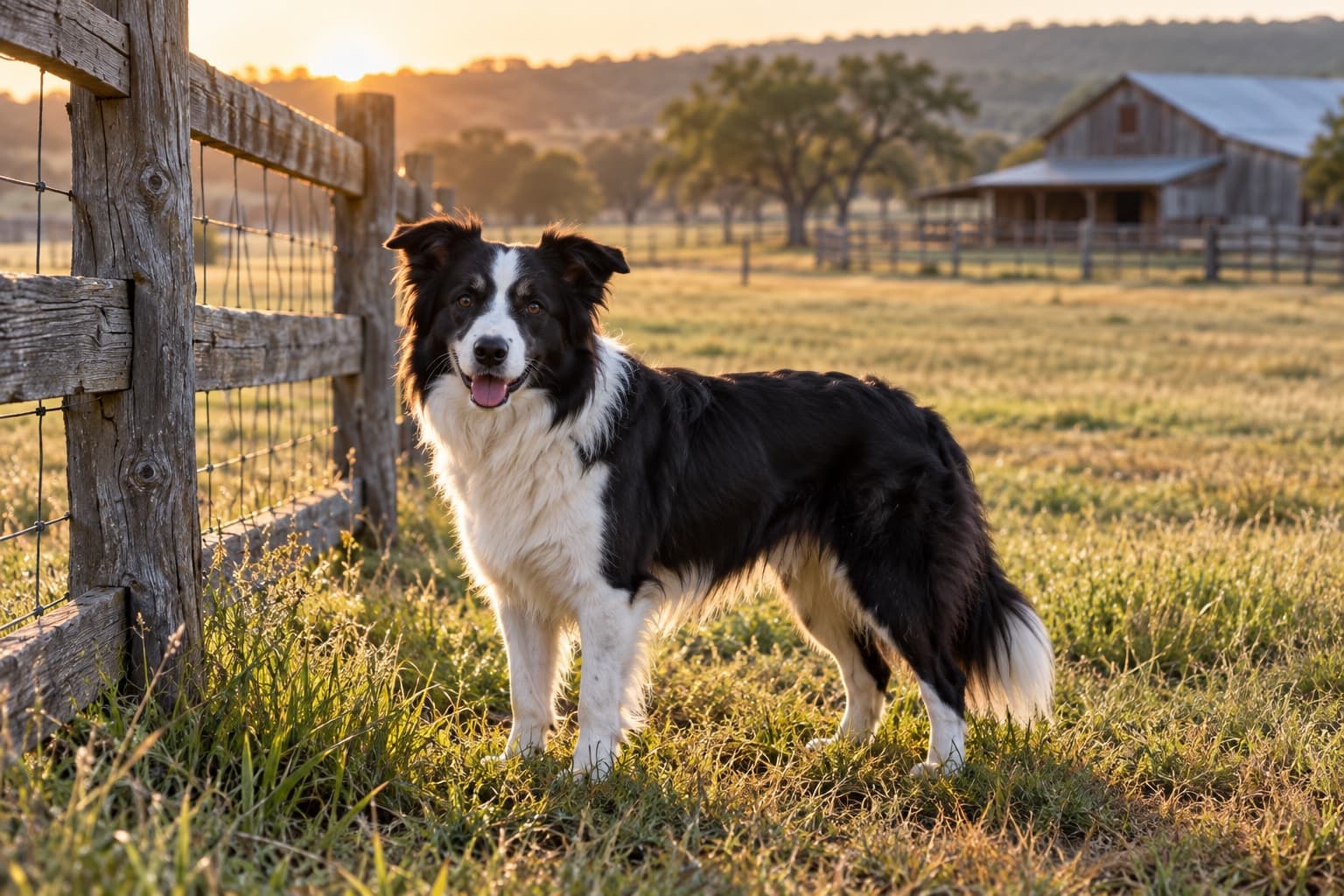
Spaniel is a family name used for several distinct dog breeds, not one breed with a single size, temperament or care routine. English Cocker Spaniels, English Springer Spaniels, Field Spaniels, Clumber Spaniels and Sussex Spaniels are different breeds. The Irish Water Spaniel has its own distinctive coat and background, while companion breeds such as the Cavalier King Charles Spaniel belong to a different practical context from working gundogs.
The AKC overview of spaniel breeds provides a useful starting point for comparison. Research the exact breed you are considering rather than applying one general description to every dog with long ears. Family lines and experience also affect energy and behavior.
Match the activity to the dog
Many sporting spaniels enjoy scent work, retrieving and exploring. A working-line dog may need a different routine from the quieter companion someone imagines when looking at a photograph. Ask a breeder or rescue about the actual dog's daily activity and behavior after exercise. Do not assume that a smaller spaniel requires little time or stimulation.
Combine walks and sniffing with games suited to age and fitness. Practice recall in secure surroundings and use a lead where wildlife or roads create risk. An interest in birds or scent can outweigh a newly learned cue. Build difficulty gradually and reward returning, rather than expecting affection alone to keep the dog close.
Coat and ear care
Coat maintenance varies considerably across spaniel breeds. Longer furnishings can collect debris and develop tangles, particularly around the legs, ears and areas rubbed by equipment. Learn appropriate brushing and combing for the particular coat, and arrange professional grooming where needed.
Check ears for redness, odor, discharge or discomfort. Ask your veterinarian whether cleaning is needed and which method is suitable; repeatedly cleaning a sore ear without a diagnosis can delay proper treatment. Dry the dog appropriately after wet outings and include paws, nails and teeth in routine checks. Gentle handling practice makes these tasks easier.
Teaching and family life
Use rewards to teach everyday skills such as waiting at a doorway, relaxing on a mat and exchanging a toy. Provide quiet rest as well as activity, and practice short periods apart gradually. A reputation for friendliness does not mean that every spaniel enjoys being hugged, chased by children or greeted by unfamiliar dogs.
Supervise children and protect the dog's space around food and sleep. Introduce visitors and other pets at a manageable pace, with separation available when necessary. If behavior changes suddenly or handling becomes difficult, consider discomfort and seek veterinary advice before treating the issue only as a training problem.
Health and selection
Ask for screening results relevant to the exact breed, along with information about close relatives and the puppy's care. Different spaniels have different health concerns, so a generic statement that all spaniels are hardy is not enough. Discuss records with your veterinarian and budget for both routine and unexpected care.
Meet individual dogs, ask practical questions and choose for the life you can provide. The best match depends on activity, coat care, health and temperament, not appearance alone.