
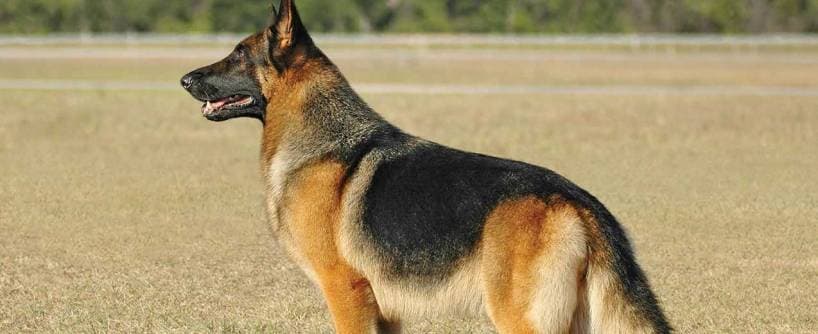
A German Shepherd can be an engaging companion for someone who enjoys teaching and spending time with a dog. Intelligence and enthusiasm do not create effortless obedience, however. This large, active breed needs a household prepared for training, appropriate exercise and ongoing care, with expectations shaped around the individual animal.
A working background, with individual differences
The breed developed in Germany from herding dogs and later became known for many working roles. The AKC’s breed history describes that development. A family dog does not need police-style training to lead a satisfying life, and a working reputation is not a promise about any one puppy.
Ask about the parents and the goals of a breeding program. Descriptions such as working line and show line can start a discussion, but they do not replace observation or records. Avoid choosing on the assumption that the largest dog, darkest color or most dramatic stance is the best companion.
What temperament means at home
Look for a dog whose responses fit your circumstances. How does it recover after a surprise? Can it settle while familiar people move around? What happens when a visitor arrives? A seller or rescue should describe actual situations rather than simply saying “loyal and protective.”
German Shepherds can form close bonds with several caregivers; they are not automatically dogs that listen to only one person. Have the household use the same cues and reward useful behavior. Shared, consistent practice makes daily care easier when the main caregiver is away.
Train ordinary skills before complicated work
Start with responding to a name, following a hand target, coming when called in a secure place and relaxing on a mat. Practice short sessions and reward the exact behavior you want. Add distractions gradually rather than repeating a command in situations the dog cannot yet handle.
Teach doorway manners, comfortable harness use and leash walking before the puppy becomes strong. A quiet hallway is often a better classroom than a busy park. If the dog pulls toward something exciting, increase distance and make the task easier enough to succeed.
Avoid intimidation, pinning or attempts to become an “alpha.” If fear or aggression appears, consult a vet and a qualified reward-based professional. Trying harsher methods can make an uncertain situation more difficult to assess and manage.
Socialization without overwhelm
Introduce everyday sights and sounds in manageable steps, following your vet’s advice about safe puppy outings. Watching bicycles from a comfortable distance can be a useful lesson; being surrounded by strangers who insist on touching the dog may not be.
Give the dog an exit and notice when it stops taking rewards, becomes tense or tries to hide. Shorten the session or move away. Social confidence develops through suitable experiences, not through a requirement to greet every person and dog.
Continue this work as the dog matures. New routines, unfamiliar environments and changes at home may require fresh practice. Keep a brief record of situations that are difficult so a trainer can help you plan the next step.
Balance exercise with rest
Daily activity can include sniffing walks, search games, basic training and time to explore safely. Match the amount and intensity to age and health. A growing puppy should not be expected to follow an adult running program or repeatedly jump from heights.
More exercise is not the only answer to an unsettled dog. Review sleep, stimulation and the ability to relax. After an outing, offer a quiet place to rest rather than immediately starting another demanding game. Practice calm behavior as deliberately as active skills.
A practical day might combine a relaxed morning walk, a short lunchtime search game and an evening training session. Adapt it around the dog rather than treating those examples as a fixed prescription. Arrange help when working hours make the routine unrealistic.
Coat care and household planning
Expect shedding from the double coat and plan regular brushing. Increase attention when loose undercoat builds up, using suitable tools gently. The AKC breed profile provides a starting overview of the breed’s size and care needs.
Keep a washable cover on favorite resting furniture and a towel near the door. Check feet after walks and make nail care a gradual, rewarded habit. Sudden skin irritation, persistent scratching or a new reluctance to be brushed deserves investigation rather than a stronger grooming tool.
Nutrition and health records
Feed a complete diet appropriate for the dog’s life stage. A large-breed puppy needs suitable growth nutrition, not improvised additions of bone meal or fish oil. Discuss portions and body condition with your vet and keep the food label available.
When buying a puppy, ask for relevant parental health screening, including hip and elbow information where recommended. Verify the records through the issuing body when possible. A general veterinary check and a pedigree are not the same as screening for inherited conditions.
Budget for preventive care and unexpected problems. Keep records of vaccination, parasite treatment, medication and any exercise restrictions together. If the dog develops lameness, persistent digestive problems or a sudden behavior change, arrange veterinary advice instead of assuming it is typical of the breed.
Children and visitors
Some German Shepherds live successfully with children, but no breed can be declared automatically safe. Adults should supervise, prevent rough handling and protect sleeping and feeding areas. The dog must be able to move away without a child following.
Use a gate or separate room when supervision is not possible. Before visitors enter, decide where the dog will wait and who will handle introductions. Do not encourage guarding behavior as entertainment or expect the dog to interpret family disagreements correctly.
Howling, barking and time alone
Vocal behavior can occur in different situations. Note the timing, what happened beforehand and whether the dog appears distressed. A short video during an absence can be useful if recorded safely; do not repeatedly leave a panicking dog alone just to collect evidence.
Build manageable periods apart and seek help if there is persistent distress, destructive escape behavior or inability to settle. A sudden change in vocalization also merits a health check. Respond to the cause rather than trying to silence every sound.
Keep routines achievable for more than one adult. Practice a familiar walk and a short training session with the backup caregiver before you need their help, so an unexpected absence does not create an entirely new situation.
Is this a good match for you?
Meet adult dogs and talk with knowledgeable owners about the ordinary workload. Consider shedding, training time, transport and backup care. A well-matched adult from a responsible rescue may offer clearer information about household behavior than a young puppy.
Choose a dog because you can support its daily life, not because you want an impressive guardian. A rewarding partnership comes from patient teaching, appropriate care and realistic expectations that continue throughout adolescence and old age.


