The Abyssinian, American Wirehair and American Curl stand out for different reasons: a ticked coat, a springy coat texture and ears that curve backward. These features help describe the breeds, but they do not tell the whole story of living with one. Care needs and the individual cat's behavior deserve as much attention as appearance.
Abyssinian: a ticked coat and an active outlook
The Abyssinian has a graceful, muscular outline and a coat in which individual hairs carry bands of color. CFA's Abyssinian profile is a useful reference for the breed's appearance and active character. A ticked coat should not be confused with ordinary patches or broad stripes.
Many Abyssinians enjoy exploring and participating in household activity. Offer stable climbing furniture, interesting viewpoints and daily play. A cat that investigates cupboards needs safe storage of medicines, cleaning products and small objects, rather than punishment for being curious.
Breed enthusiasm is not evidence that a cat can safely adapt to life in the wild. Domestic cats still need dependable food, shelter and health care. Use secure outdoor arrangements if you offer outdoor access, and do not assume athletic ability protects a pet from traffic or other hazards.
Short hair simplifies some grooming, but check the skin, claws and teeth regularly. Sudden withdrawal or reduced activity in an ordinarily busy cat deserves attention. The label energetic should help you recognize a change, not excuse every unusual behavior.
American Wirehair: texture, not literal wire
The American Wirehair has a distinctive crimped, springy coat. CFA's Wirehair profile describes the coat as a defining feature of this separate breed. It is not merely an American Shorthair that has been styled differently, and the name does not mean the fur is made of harsh wire.
Coat texture varies between individuals. Ask the breeder or an experienced groomer how to care for the particular cat rather than repeatedly brushing in an attempt to straighten or reshape it. Gentle handling and attention to the skin matter more than producing a dramatic texture for photographs.
Avoid unnecessary products or vigorous grooming that irritates the skin. If the coat becomes patchy, greasy or itchy, seek veterinary advice. A naturally unusual coat should not be used to explain away new hair loss or discomfort.
When meeting a kitten, ask about ordinary behavior: whether it seeks company, enjoys play and tolerates a short grooming session.
American Curl: distinctive ears need gentle handling
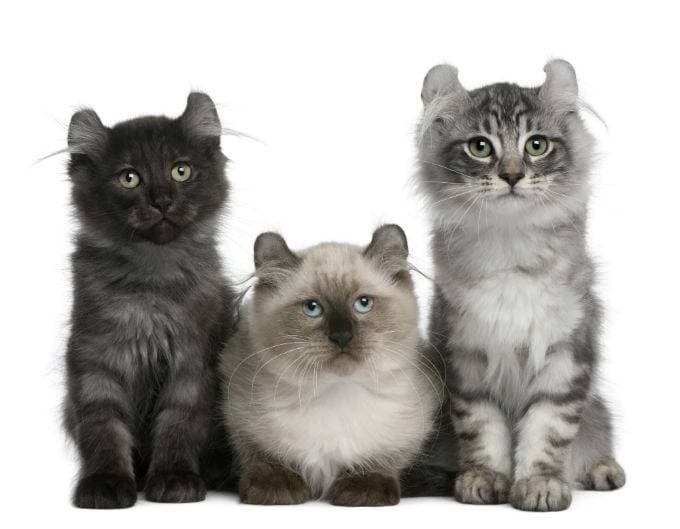
American Curls have ears that curve backward away from the face, and the breed includes both shorthaired and longhaired cats. CFA's Curl profile describes an affectionate, energetic companion. Coat length influences the grooming routine, while the ear shape calls for careful, respectful handling.
Do not bend or straighten the ears to demonstrate the curl. Inspect them gently and ask your vet how to clean them if cleaning is needed. Redness, odor, discharge or repeated scratching needs assessment; inserting cotton swabs deep into an ear is not routine care.
Some cats enjoy learning simple behaviors with rewards, but walking on a harness is not a guaranteed breed trait. Introduce equipment slowly indoors and watch for comfort before considering a secure outdoor setting. Never pull a frightened cat along to make it learn.
Choose the cat, not just the feature
Compare the household routine with the needs of the actual animal. Ask for veterinary records, relevant parental health information and clear registration documents when buying a pedigreed kitten. A coat or ear shape alone cannot authenticate a pedigree.
Provide separate spaces for eating, toileting and resting, along with scratching options and daily interaction. Let new pets settle gradually and supervise introductions. The best comparison between breeds is one that helps you prepare for their care while leaving room to discover the individual personality.