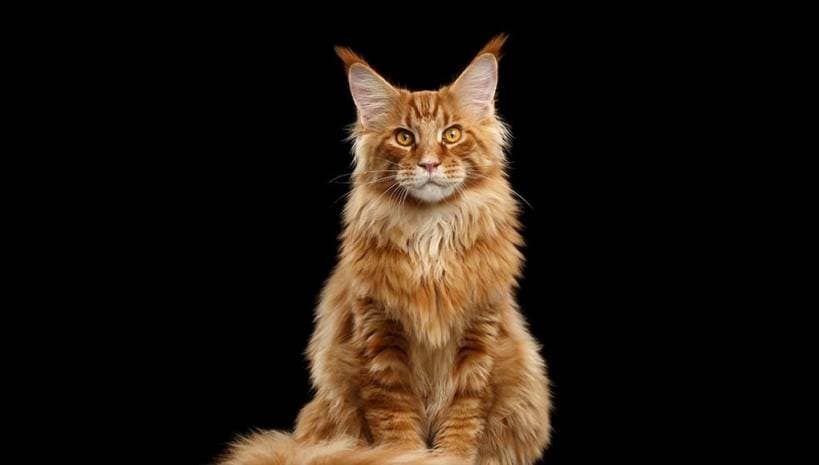
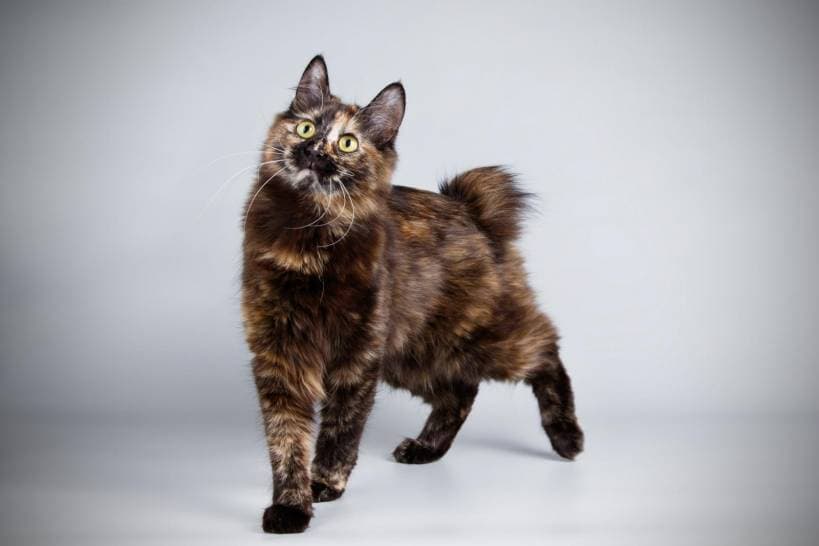
The Japanese Bobtail is a domestic cat breed known for a naturally short tail with an individual arrangement of curves or kinks. The shape is unique to the individual, so two Bobtails need not have identical-looking tails. Its tail is an inherited feature, not the result of docking.
A recognizable appearance
The Cat Fanciers' Association recognizes both shorthaired and longhaired Japanese Bobtails. Their coats and grooming needs differ, but both share the breed's distinctive outline. A short tail alone does not prove pedigree ancestry, since other breeds and non-pedigree cats can also have shortened tails.
Colors and patterns vary. The familiar three-colored pattern, often called mi-ke, has strong cultural associations, but it is not the only appearance. Odd-colored eyes can occur, yet are not a requirement for every Japanese Bobtail. Avoid choosing purely for a rare-looking combination without considering the individual cat's health.
Culture and history
Bobtailed cats appear in Japanese art and stories, and the beckoning-cat figure, maneki-neko, is familiar around the world. Cultural symbolism should not be mistaken for a precise family tree for every modern cat. The breed's establishment in international cat registries is a separate part of its history.
Old purchase prices and anecdotes about a single import do not tell you what is available today. If registration matters, ask the relevant organization about the actual documents and the breeder's records. A photograph or an unusual tail is not enough.
An engaging home environment
Many Japanese Bobtails enjoy play and interaction, but individual preferences vary. Offer climbing places, scratching surfaces, hiding spots and short games that allow stalking and catching. Put away strings and wand toys after play so they cannot be swallowed or cause entanglement.
Some cats enjoy learning a hand target or entering a carrier for a reward. Keep lessons brief and voluntary. Harness walking is optional, not a breed requirement; introduce equipment indoors and stop if the cat finds it distressing. A secure enclosure can offer another way to experience outdoor sights and smells.
Gentle care and introductions
Brush according to coat condition and check for tangles, skin changes and discomfort. Never pull or straighten the tail. Ask your veterinary team about dental care, nail trimming and an appropriate preventive-health plan. A short tail does not remove the need for ordinary examinations.
Feed a complete diet suited to life stage and health, and monitor weight and appetite. Introduce new animals gradually with separate resources and retreats. Supervise children and let the cat choose when to approach. Choose a companion whose activity and care needs fit your household rather than expecting every member of the breed to behave identically.
Keep a secure carrier available and practice entering it before a veterinary visit is due. Familiar bedding and small rewards can make transport preparation easier without forcing the cat through the door.