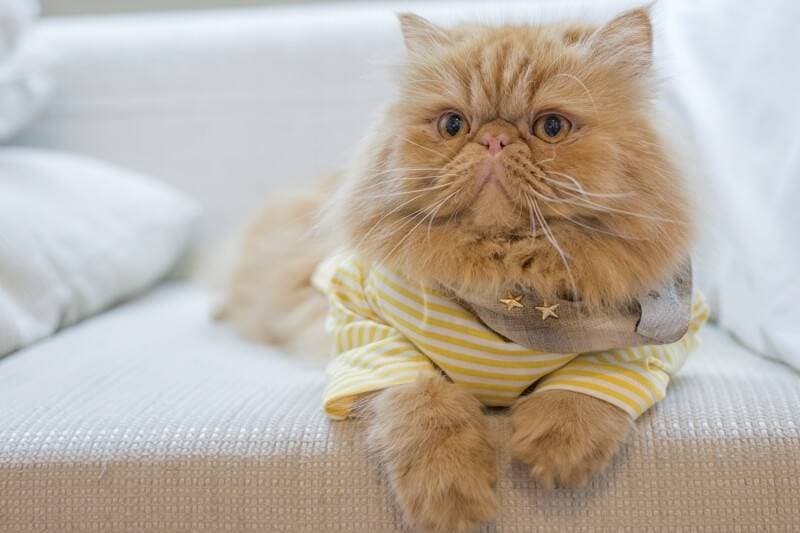
Persian cats are known for a long, dense coat and a broad, often shortened face. Those features bring practical care needs that should be understood before adoption. A quiet personality or attractive appearance does not remove the need for exercise, enrichment and regular veterinary assessment.
Look at the individual cat
The Royal Veterinary College's research on Persian health identified coat disorders, dental disease, overgrown nails and eye discharge among commonly recorded problems. This does not mean every Persian develops every condition, but it highlights areas worth checking routinely rather than dismissing as normal features of the breed.
When choosing a cat, prioritize comfortable breathing, movement and normal daily function over extreme facial appearance. Ask for available health records and discuss the breed's needs with an independent veterinarian before committing.
Choose a complete diet
Feed a complete cat food appropriate to age, health and reproductive status. Dry food is not the only suitable option; complete wet food or a carefully planned combination can also work. The right choice depends on the cat and any medical requirements.
Read the current label rather than relying on an old article's ingredient list or nutrient percentages. Recipes and product names can change. A well-known brand name alone does not prove that every product in its range is suitable as the cat's sole diet.
Measure the daily amount and include treats or toppers. Neutering can affect energy needs, but it does not mean every cat should receive the same portion reduction. Ask the veterinary team to assess body condition and adjust feeding to the individual.
If you prepare meals at home, use a recipe formulated by a veterinary nutrition specialist. Meat and vegetables alone do not reliably meet feline requirements. Do not add vitamins or mineral products to a complete diet without a specific reason and professional advice.
Support drinking and monitor intake
Provide fresh water in clean, accessible locations. Some cats prefer a wide bowl or a well-maintained fountain, but the important measure is whether the cat can drink comfortably and receives adequate fluid overall. Wet food can contribute to water intake.
Watch eating rather than simply checking whether the bowl looks disturbed. Dropping food, chewing unusually, difficulty picking up pieces or a reduced appetite may indicate discomfort. A different bowl may help some cats, but persistent difficulty needs examination.
Groom the coat gently and frequently
Check the coat daily and comb carefully to prevent tangles, especially behind the ears, under the legs and around the rear. Work in short sessions and support the hair near the skin to avoid pulling. Use tools suited to the individual coat rather than choosing a comb solely because it is metal.
Dense fur can hide mats and skin problems even when the surface looks smooth. Part the coat and inspect it gently. If a mat is close to the skin, do not cut blindly with scissors; folds of skin can be trapped inside it. Ask a qualified groomer or veterinary team for help.
Bathe only with a practical plan
Bathing frequency depends on the coat, skin and the cat's needs. Use a cat-safe product when bathing is appropriate, rinse thoroughly and dry safely without excessive heat. Avoid forcing a frightened cat through a lengthy procedure merely to achieve a cosmetic finish.
Grooming reduces loose hair and matting; it does not make a cat allergy-free. Allergies involve proteins from sources including saliva and skin material. Claims that ordinary shedding inevitably enters a person's lungs or that brushing prevents all allergies are inaccurate.
Care for the eyes safely
Facial structure can contribute to tearing and staining, but new or persistent discharge should be assessed. Squinting, redness, cloudiness or rubbing at an eye may indicate pain and needs prompt veterinary attention. Do not assume the problem is simply sensitivity to light.
Ask the clinic to demonstrate suitable cleaning of the surrounding skin. Use the recommended materials and avoid putting tea, cosmetic products or unprescribed drops into the eyes. Wipe gently without rubbing the eye surface, and use separate clean material for each side.
Check ears and nails
Look at the visible outer ear during routine care. Persistent wax, odor, redness or head shaking calls for advice. Do not insert a cotton bud, toothpick or other object into the canal, and do not use ear drops automatically when no condition has been diagnosed.
Inspect nails, including dewclaws, because overgrown claws can curve into the pad. Ask for a trimming demonstration and remove only the appropriate tip. Stop if the cat is distressed or the safe cutting point is unclear.
Provide sturdy scratching surfaces in locations the cat uses. Adult cats can learn to use new scratchers; they are not useful only during kittenhood. Offer different orientations and textures, and reward voluntary use instead of punishing scratching elsewhere.
Make dental care part of the routine
Ordinary dry food does not guarantee clean teeth. Cornell's feline dental guidance explains why plaque and painful oral disease deserve attention. Introduce gentle tooth brushing gradually with a suitable cat toothbrush and pet toothpaste, after any painful condition has been assessed.
Do not use human toothpaste or scrape hardened deposits from teeth at home. Dental products may help, but their evidence and purpose differ. Ask the veterinary team about suitable options and the need for professional assessment and treatment.
Bad breath, drooling, bleeding gums or chewing changes should not be ignored because the cat still eats. Cats can continue eating despite pain. Routine examinations help identify problems that are difficult to see during a quick home check.
Use kind, practical teaching
Never hit, flick, frighten or spray a cat to associate a word with punishment. These methods can damage trust and increase fear without teaching a useful alternative. Make desirable behavior easy: place scratchers near chosen scratching locations and provide play before predictable active periods.
Reward calm cooperation with grooming and handling in small steps. Stop before the cat becomes overwhelmed whenever possible. If behavior changes suddenly or a routine repeatedly causes distress, ask the veterinarian for help and consider a qualified feline behavior professional.
Plan for inherited and ongoing health needs
Polycystic kidney disease is an inherited concern in Persians and related cats. UC Davis provides information about the PKD1 test, which addresses a particular known variant. Ask for documented screening and remember that one negative test cannot rule out every possible health problem.
Maintain preventive care and keep records of tests, medication and changes in daily habits. Breathing difficulty, collapse or inability to urinate needs urgent veterinary attention. A comfortable home, gentle care and early recognition of change are more valuable than treating the breed's appearance as proof that it needs little activity or medical attention.