A cat's appearance can attract attention, but daily care and individual temperament matter more when choosing a companion. These familiar breeds illustrate different grooming, activity and health needs. This is not a popularity ranking.
Sphynx and Donskoy
The Sphynx and Donskoy are distinct breeds associated with little or no visible hair. Hairless does not mean allergen-free: cats produce allergenic proteins regardless of coat length. Their skin may need careful cleaning, and they need protection from cold and excessive sun. Ask about an appropriate skin-care routine rather than bathing automatically every day.
British Shorthair
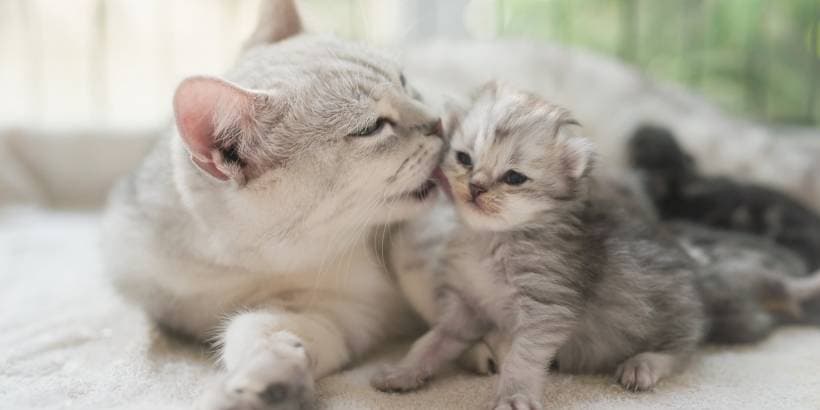
British Shorthairs have a dense coat and a sturdy appearance. Many enjoy calm company, although they may prefer sitting nearby to being carried. Regular brushing and measured meals help keep coat and body condition manageable. A rounded breed appearance should not be used to justify excess weight.
Siamese
Siamese cats are known for a slender outline, blue eyes and darker points on the face, ears, legs and tail. They are often active and vocal, enjoying interactive play and company. Describing them as naturally mean is misleading. Give an energetic cat suitable outlets and assess behavior in the context of health, environment and experience.
Scottish Fold
The folded ears are linked to an inherited cartilage and bone disorder that can cause painful joint changes. Crossing with a straight-ear cat does not guarantee healthy folded-ear offspring. Anyone considering the breed should understand this welfare issue and seek independent veterinary advice. A quiet or reluctant jumper may be uncomfortable rather than simply placid.
Maine Coon
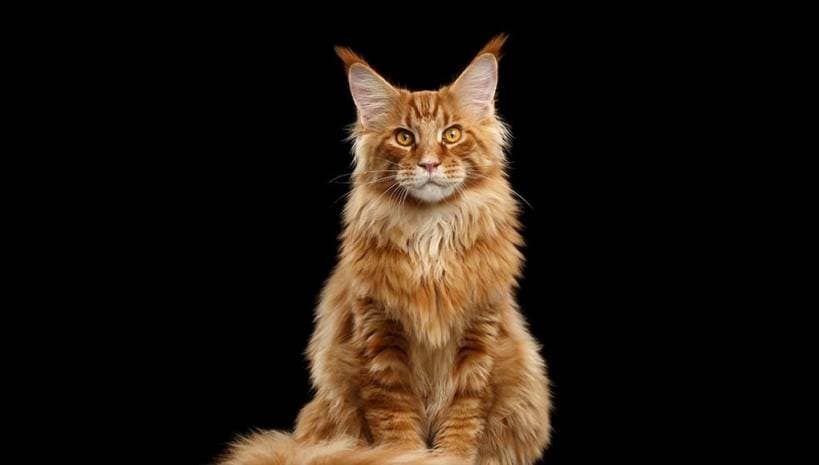
Maine Coons are among the larger domestic cat breeds, with substantial bodies and long, full tails. Size varies, and unusually high weights are not a goal. Provide sturdy climbing furniture, a roomy litter tray and regular combing. Ask about appropriate inherited-disease screening and the parents' veterinary history rather than selecting only for impressive size.
Persian
Persians have long coats that require frequent, often daily, attention to prevent mats. Very flat faces can be associated with breathing and eye problems, so prioritize comfortable function over extreme features. A cat that cannot groom itself adequately needs patient daily help and, when necessary, professional grooming or veterinary care.
Find the right individual
Meet the cat in a calm setting and ask about its habits, handling preferences and experience with children or other pets. An adult cat from a responsible rescue may offer a clearer picture of temperament than a very young kitten. Introduce household changes gradually and provide places to hide and rest.
Budget for lifelong care. Request relevant health records and discuss breed-specific concerns with a veterinarian. Mixed-breed cats also make excellent companions; a good match depends on meeting the needs of the individual animal.