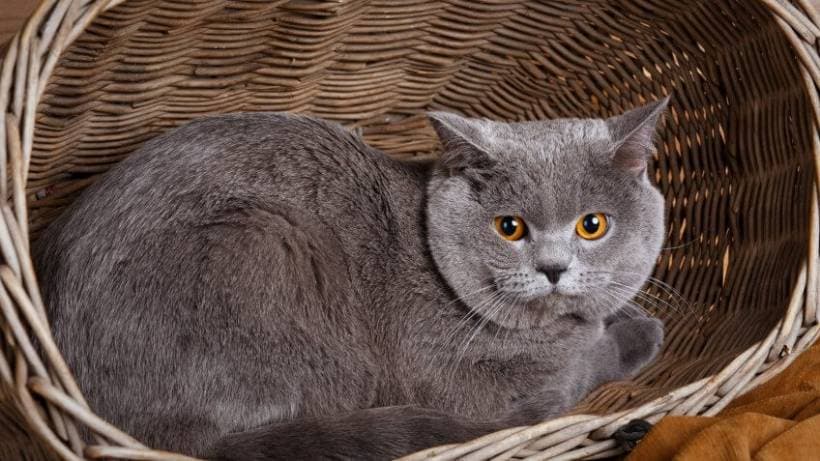
The British Shorthair is known for a substantial body, rounded features and a dense short coat. Its plush appearance does not make it a toy, and a reputation for calmness does not guarantee perfect behavior. Every cat needs appropriate scratching options, litter facilities, veterinary care and a household that respects its preferences.
The CFA British Shorthair profile describes a breed found in many colors and patterns, not only blue. Claims that a particular silver pattern produces the most loving kittens should not guide a purchase.
Companionship on the cat's terms
Some British Shorthairs enjoy being near people without prolonged holding. Others seek more direct contact. Let the cat approach and leave freely, and pause during petting to see whether it wants more.
Children need to learn the difference between a living animal and a soft toy. Supervise interactions, prevent chasing and protect the cat's food and sleeping areas. Give it a retreat that is genuinely undisturbed. An adult cat that avoids touch may be expressing a preference, but a sudden change can also indicate discomfort.
A useful home environment
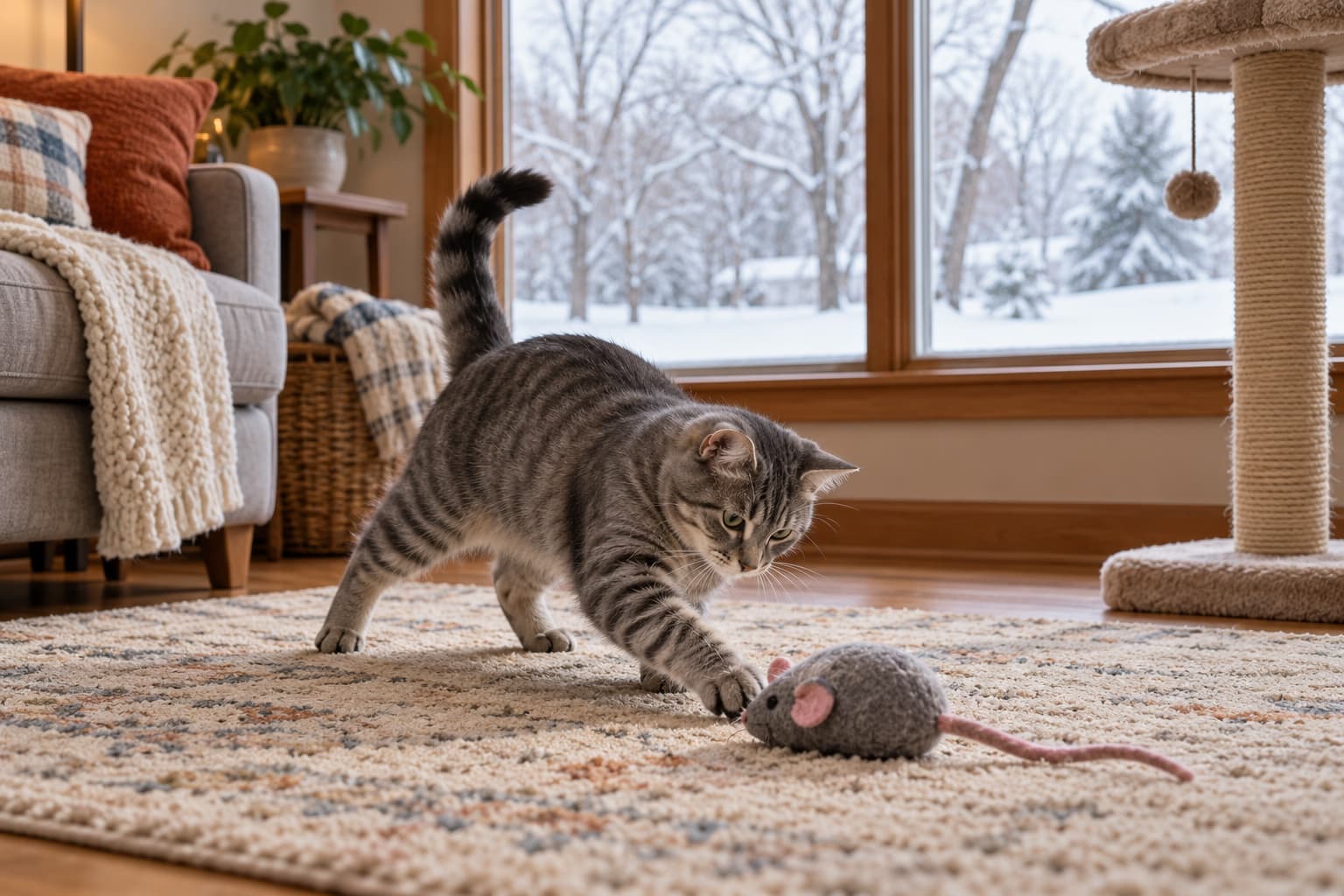
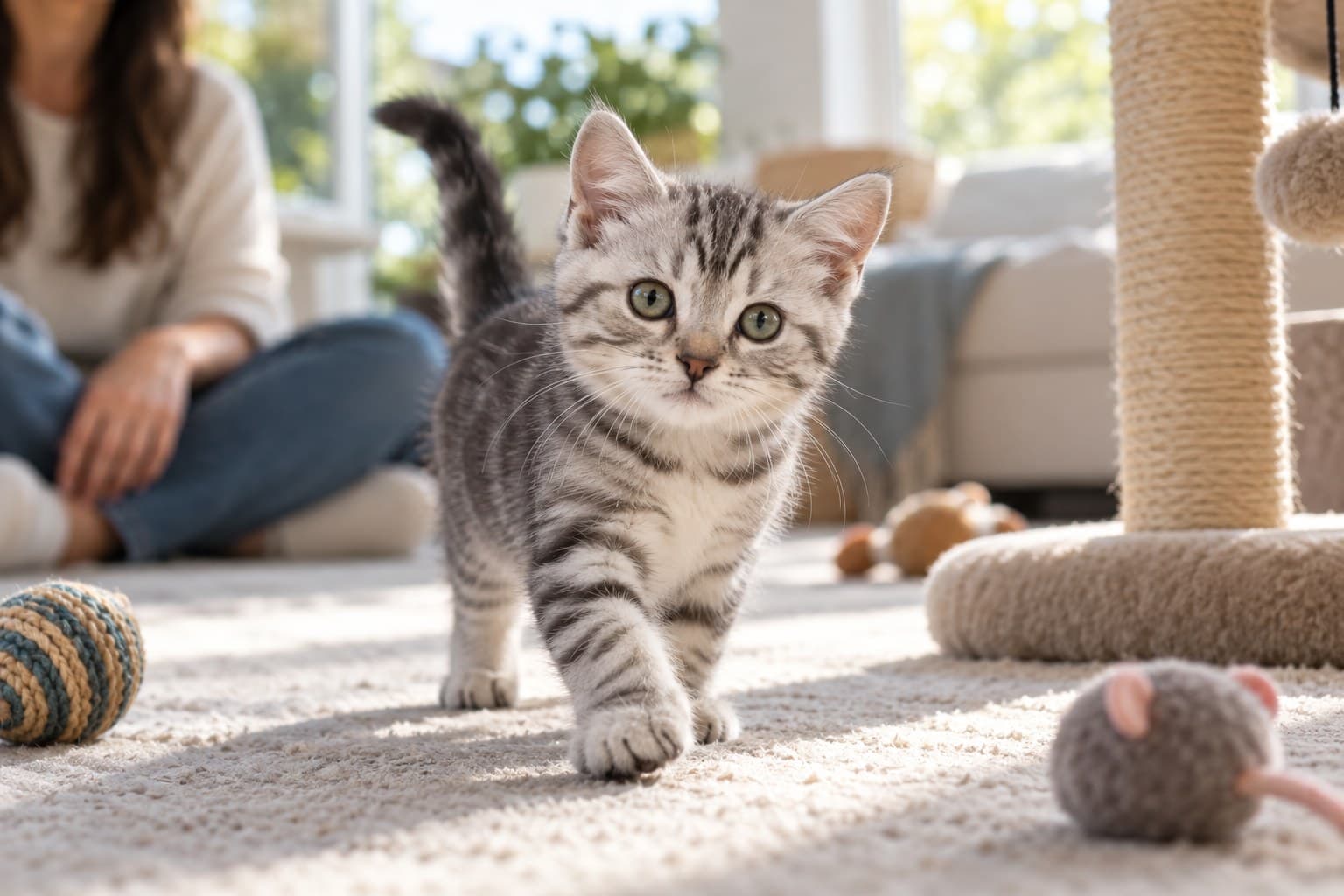
Provide stable climbing places, scratching surfaces, hiding spots and short play sessions. A quiet breed reputation does not eliminate the need for activity. Rotate suitable toys and offer games that allow stalking and catching, then put strings and detachable parts away when unsupervised. Adjust access if age or mobility makes a favorite perch difficult to reach.
Independence is not permission to leave the cat without daily care. Arrange reliable help during travel and check that meals, fresh water and litter boxes are maintained. Introduce other animals gradually with separate resources. Neither a calm dog nor a sociable cat description guarantees immediate compatibility.
Care for a dense coat
A short coat can still shed substantially. Brush gently with tools suited to its density and check beneath the surface for skin changes or tangles. Ask a groomer for a demonstration if needed. Do not scrape repeatedly to remove every loose hair, and stop when handling becomes uncomfortable.
Check eyes, ears, nails and teeth as part of the routine. Persistent discharge, odor or soreness needs assessment rather than stronger cleaning. A cat's self-grooming does not replace these checks, particularly when it becomes older or has trouble reaching part of its body.
Weight and nutrition
Feed a complete diet suited to life stage and health, and measure portions rather than judging by the cat's requests. Premium is a marketing term, not a guarantee that a particular dry food is right for every British Shorthair. Wet food, dry food or a suitable combination may fit an individual plan.
Ask your veterinary team to demonstrate body-condition assessment. A broad, rounded breed should not be encouraged to become overweight for the sake of appearance. Review intake and activity gradually if weight changes, and investigate unexpected gain or loss. Avoid crash diets and prolonged fasting.
Ask for meaningful health information
Discuss relevant screening and family history with the breeder and your veterinarian. Heart health is one area worth asking about, but no single DNA test can rule out every disease. Request identifiable results rather than assuming all breeders test everything or that none can be trusted. A normal examination at one age is not a lifetime guarantee.
Vaccination, parasite prevention and reproductive planning should follow an individual veterinary plan. Not every vaccine requires the same interval, and neutering decisions should be discussed rather than described as a cure for all future illness. Keep records accessible and attend recommended follow-up visits.
Choose a sustainable match
Meet the cat where possible and ask about ordinary routines, handling and support after placement. Budget for grooming help, routine care and unexpected treatment. The appeal of a British Shorthair is companionship with an individual animal, not an assurance that dignity or pedigree will prevent scratching, accidents or medical needs.