Siamese cats are known for blue eyes, a short coat and darker color on the face, ears, legs and tail. The CFA Siamese profile describes a breed with a long-established place in the cat fancy. Its striking appearance is only part of the picture: prospective owners should also consider social needs, activity and the individual cat's personality.
Calling Siamese cats vindictive or vengeful is misleading. A broken plant pot, loud vocalization or litter-box problem does not establish a plan to punish an owner. Behavior may reflect normal exploration, frustration, stress or illness. Looking for the cause is more useful than assigning a human motive and responding angrily.
Social contact and independence
Many Siamese cats enjoy interaction, but individuals differ in how they seek it. Some follow people through the home, some enjoy games and some prefer quiet proximity over being held. A cat can form relationships with several household members; there is no rule that it can care about only one person.
Do not assume the breed can be left alone for long periods simply because cats are considered independent. Plan daily care, meals, clean litter boxes and opportunities for contact. For travel or extended absences, arrange a reliable caregiver who can notice changes. Another cat is not an automatic solution to loneliness and needs a careful introduction.
Play that meets feline needs
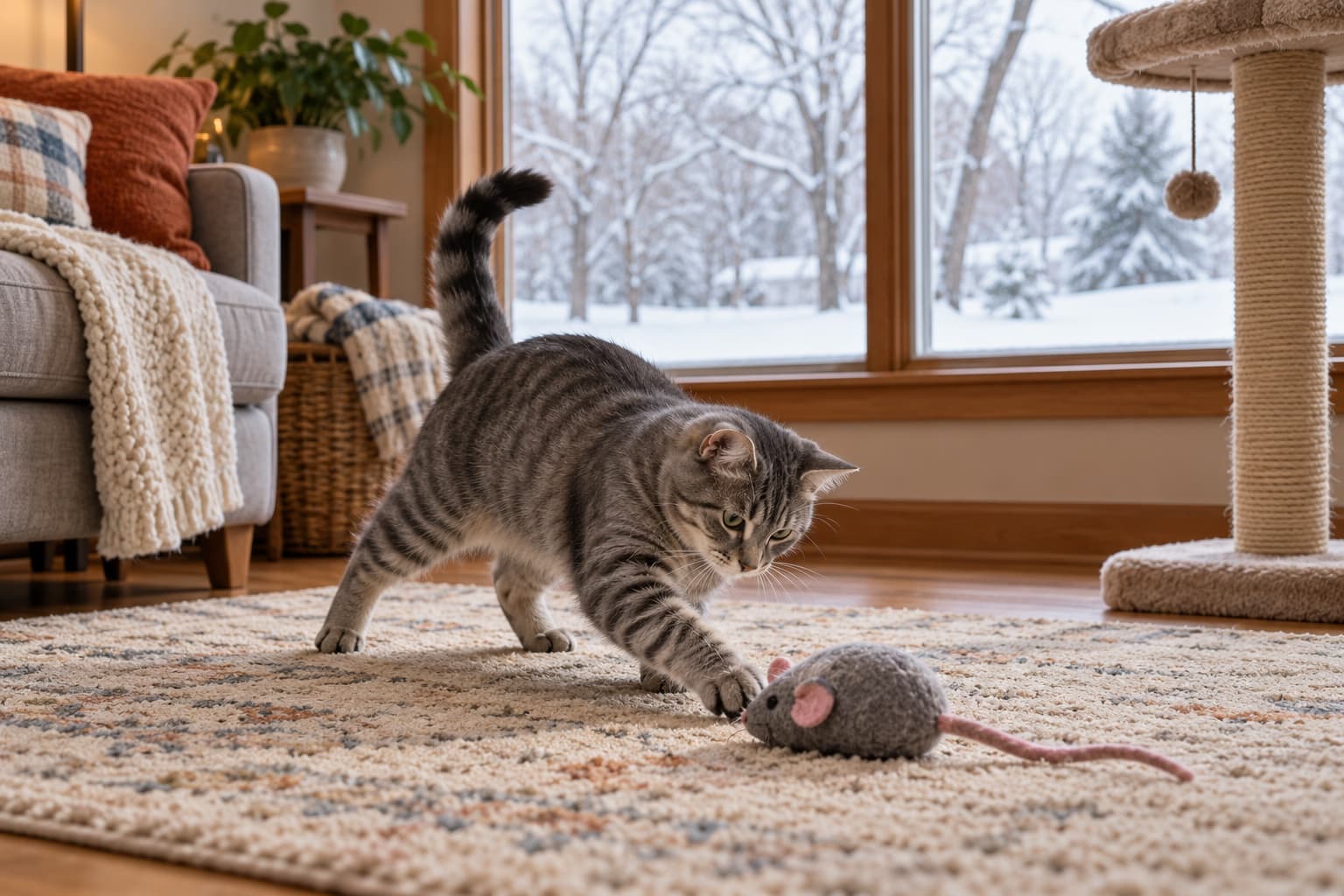
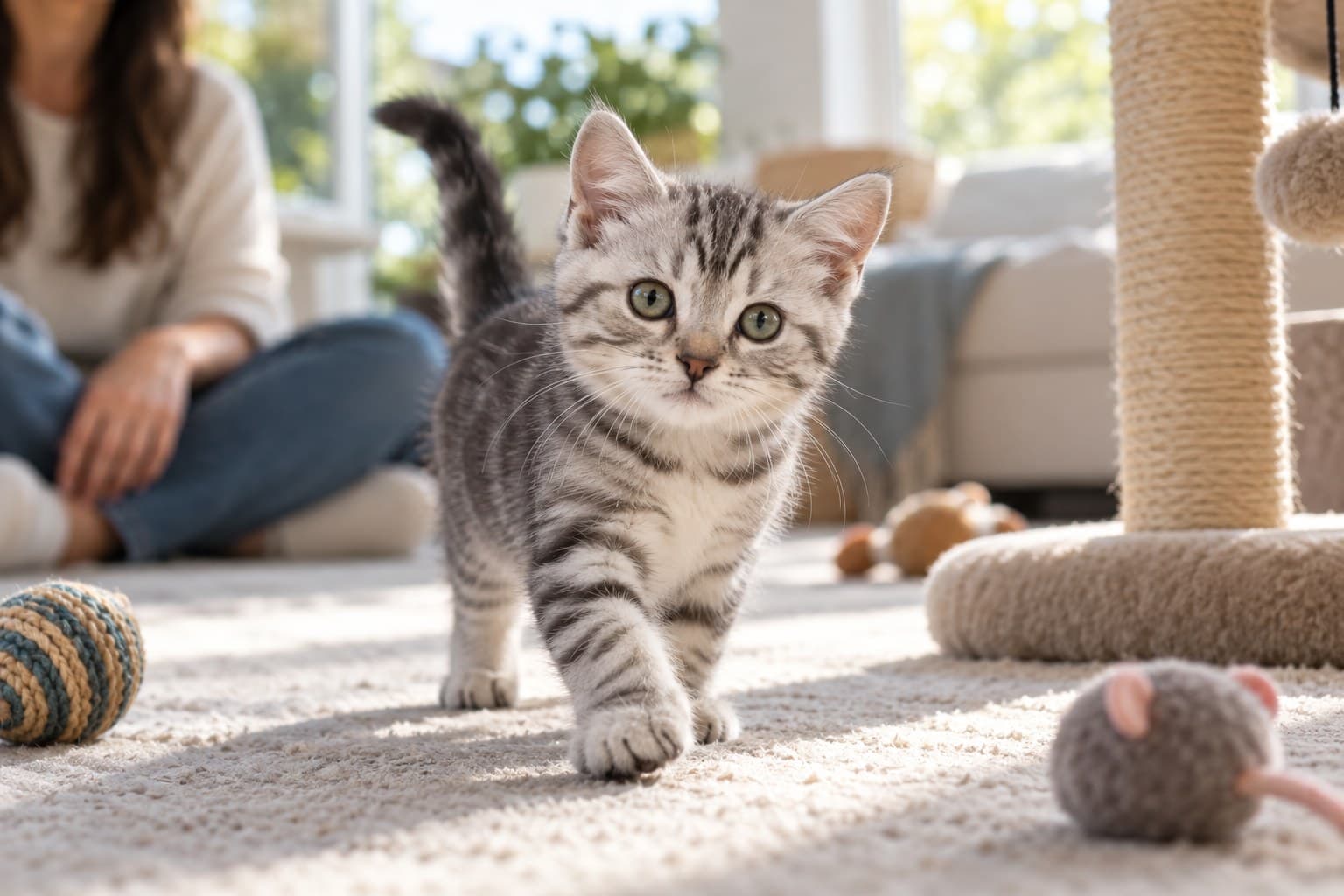
Provide short interactive play sessions with toys the cat can stalk and catch. Keep hands and feet out of the role of prey, and put away string or wand toys when unsupervised. Offer climbing places, scratching surfaces and safe hiding spots so the cat can choose how to use the room.
Rotate toys and introduce food puzzles at an easy level if appropriate for the cat's diet. Interest in hunting does not make a Siamese a guaranteed mouser or justify exposure to wildlife, poisons or traffic. Secure indoor enrichment or protected outdoor access can provide exploration with fewer hazards.
Sleep and routine
Respect comfortable rest, but avoid claims that accidentally waking a cat necessarily shortens its life. Cats may adjust activity around household routines, and they are not universally asleep all day and active all night. Predictable play and feeding can help organize the day without forcing an animal to remain awake.
Notice meaningful changes from the cat's usual pattern. New nighttime calling, withdrawal, unusual restlessness or reduced activity should not automatically be labeled attention seeking. Discuss persistent changes with your veterinarian, especially when appetite, thirst or mobility also changes.
Care and choosing a companion
A short coat still benefits from gentle grooming and skin checks. Establish comfortable handling for paws, mouth and carrier travel, using brief sessions and rewards. Keep up with dental care, preventive health advice and an appropriate complete diet. An attractive pedigree is not a substitute for veterinary records.
Ask a breeder or rescue about known health needs, behavior and support after placement. Meet the cat where possible and explain your routine honestly. The best match is based on the companionship and care you can provide, not an expectation that every Siamese will be unusually calm, exceptionally clever or endlessly tolerant.
If vocalization becomes inconvenient, note its timing before changing the routine. A predictable play session or quieter feeding setup may help, but new or persistent calling should be checked rather than punished.