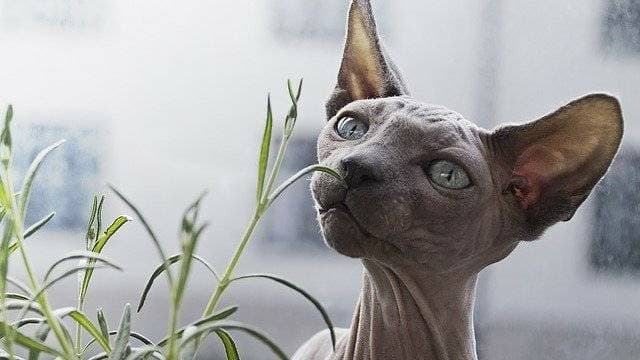
The Sphynx is a cat breed developed from naturally occurring hairlessness, with modern breeding associated with Canadian and North American lines. Despite its name, it is not an ancient Egyptian breed. Many Sphynx have a fine covering of down rather than completely bare skin, and skin color can reflect a range of coat colors and patterns.
The CFA Sphynx profile describes the breed's characteristic appearance and care. Large ears and expressive eyes do not establish unusual intelligence or immunity to illness. Sphynx are not the only cats capable of affection, and their sociable reputation should not be turned into a guarantee about every individual.
Company and daily activity
Many enjoy interaction, but the best routine follows the particular cat's preferences. Offer play, climbing opportunities, scratching surfaces and comfortable hiding places. Let the cat choose whether to sit on a lap or remain nearby. Children should understand that unusual skin is not an invitation to constant touching or rough handling.
Plan reliable care during workdays and travel. Another animal is not an automatic substitute for human attention, and introductions need to be gradual. Notice changes in appetite, activity or social behavior rather than assuming that a quiet cat is simply being tolerant.
Gentle skin and ear care
Without a typical hair coat to absorb oils, some Sphynx need more skin maintenance than other cats. The right bathing interval depends on the individual, not a blanket instruction to wash as often as possible. Ask your veterinarian about suitable products and technique. Over-cleaning or harsh cleansers can irritate skin rather than improve it.
Inspect folds, nail areas and ears for excess debris or irritation. Use only an appropriate cleaning method demonstrated for your cat. Do not insert cotton swabs into the ear canal, apply random ointments or treat dark debris as a diagnosis of mites. Redness, odor, scratching or pain requires assessment.
Temperature and comfort
Provide warm bedding and protection from drafts, but allow the cat to move away from heat. Avoid hot surfaces or unattended heating equipment that can burn skin. Limit excessive sun exposure and discuss safe protection with a veterinarian. Clothing, if tolerated, should fit comfortably and be checked for rubbing or trapped moisture.
Hairlessness does not make a cat hypoallergenic. People react to cat-associated proteins, not just visible fur. Anyone with allergy concerns should seek medical advice rather than choosing a Sphynx on the assumption that symptoms cannot occur.
Health records matter
Sphynx can develop health problems and need ordinary preventive care as well as breed-relevant assessment. Ask about cardiac screening and family history, and discuss the records with your veterinarian. A screening result informs decisions but is not a lifetime guarantee.
Never assume this breed feels less pain or can quietly tolerate uncomfortable procedures. Cats may hide distress, and stillness is not proof of comfort. Gentle handling, appropriate pain management and a realistic care budget are essential. Choose a Sphynx for a sustainable relationship, not a promise of an effortless or unusually disease-resistant pet.