Many cats live well into their teens, and some reach their twenties. Aging is individual, so a fixed lifespan of ten or twelve years is misleading. Growing older also does not mean that pain, weight loss or sleeping almost continuously should be accepted without investigation.
Watch changes, not just age
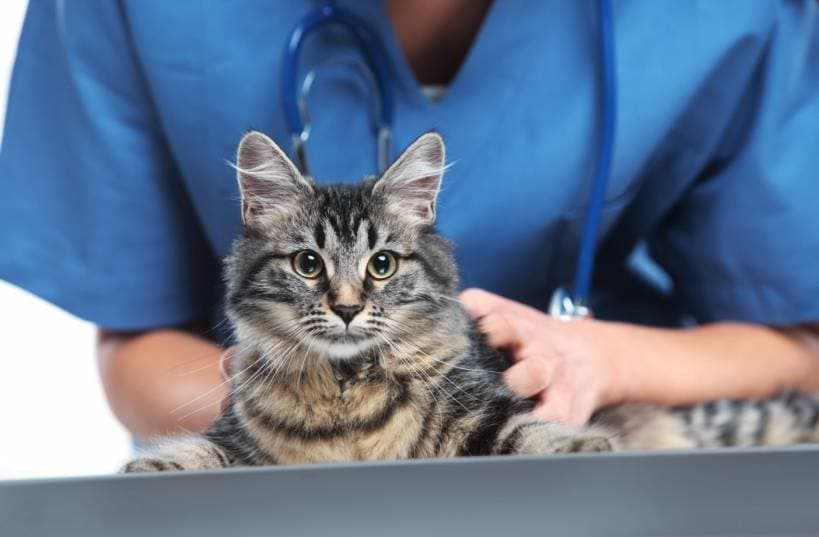
Cornell's guide to the special needs of senior cats emphasizes early recognition of health problems. Regular veterinary reviews can compare weight, muscle condition, oral health and behavior over time. The appropriate visit and testing schedule depends on the individual cat.
At home, note appetite, drinking, urination, bowel movements and willingness to jump or groom. More thirst is not automatically better hydration; it may signal a condition needing assessment. Bring a record of changes rather than waiting until the cat appears seriously unwell.
Food should match current needs
Some older cats gain excess weight, while others lose muscle or struggle to maintain weight. Do not reduce every senior cat's food automatically. Choose a complete diet and review portions, body condition and any diagnosed disease with your veterinary team.
A sudden appetite change, repeated vomiting or unexplained weight loss needs attention. Dental pain, kidney disease, thyroid disease and other conditions can affect eating or weight. More frequent small meals may suit some cats, but there is no universal requirement for exactly four meals.
Avoid adding vitamins or replacing complete food with plain meat and vegetables without advice. Homemade diets require professional formulation. Food texture can be adjusted for comfort, but an eating problem should still be investigated.
Kidney and urinary concerns
Chronic kidney disease is common in older cats, but it must be diagnosed and monitored. Cornell's information on feline kidney disease describes the role of veterinary treatment and dietary management. Do not simply remove protein from the diet after suspecting a problem yourself.
A prescribed kidney diet addresses more than one nutrient and should be introduced with attention to appetite. Keep fresh water easy to reach. Repeated straining, inability to pass urine or obvious distress in the litter box requires urgent veterinary attention.
Teeth and mobility
Wet food does not inherently cause tooth loss, and ordinary dry kibble does not remove established tartar. Dental disease needs an examination and an individual treatment plan. Ask about home care and products with demonstrated dental benefits.
Reduced jumping or grooming may reflect discomfort rather than forgetfulness. Cornell's guidance on cats slowing down explains why joint problems deserve assessment. Never give human painkillers; some are highly toxic to cats.
Provide stable steps or ramps to favored places and a litter box with easy entry. Place essential resources where the cat can reach them without climbing difficult stairs. Non-slip footing and warm, comfortable bedding can make daily routines easier.
Support grooming, rest and engagement
Brush gently if the cat tolerates it, paying attention to new mats or painful areas. Do not pull at tightly matted fur or cut close to the skin with scissors. Ask for professional help when grooming becomes uncomfortable.
Offer quiet rest without assuming the cat no longer needs interaction. Short play invitations, familiar routines and accessible observation spots can still be enjoyable. Changes in sleep, night-time vocalizing or confusion should be discussed with a veterinarian rather than attributed to age alone. Take photographs or short videos of unusual movement or behavior when safe; these may help explain intermittent problems at an appointment.