A cat needs a diet that supplies the right nutrients in appropriate amounts. This is true whether it lives indoors or spends time outside. Raw meat is not unsuitable simply because an indoor cat burns fewer calories, and outdoor living does not make an unbalanced diet safe. Nutritional completeness, food safety and individual needs are the important issues.
Cornell's feeding guide explains that cats have specific requirements as obligate carnivores. Choose a complete diet appropriate to life stage and discuss medical needs with your veterinarian.
Dry, wet or a combination
Both dry and wet foods can form part of an appropriate plan when they are nutritionally complete and suitable for the cat. Wet food contributes moisture; dry food has different storage and feeding practicalities. Choose according to the individual, not a rule that one format is always superior. If mixing foods, account for the calories from each.
Measure portions and monitor weight and body condition. Leaving unlimited food available is not right for every cat, especially one prone to weight gain. Several manageable meals or suitable food puzzles may fit the household better. Ask your veterinary team how to adjust the routine for a kitten, an older cat or a cat receiving treatment.
Be cautious with homemade and raw diets
Meat or fish alone does not provide a balanced diet. A home-prepared plan should be formulated by a qualified veterinary nutrition specialist, with the prescribed ingredients and supplements used accurately. Rotating random foods does not reliably correct nutrient gaps. Do not assume a product marketed as vegetarian is appropriate without expert assessment of nutritional adequacy.
The CDC's pet-food safety guidance advises against raw pet foods because they can carry harmful germs. Removing bones does not remove that risk. Bones can also cause injury, and raw ingredients can contaminate hands, bowls and surfaces. Choose safer feeding practices rather than treating a cat's hunting ancestry as protection from infection.
Dairy and drinking water
Milk is not a required part of an adult cat's diet and can cause digestive upset. Kefir, curd and sour cream are not universally safe or necessary substitutes; they add calories and may not be tolerated. Keep treats limited and ask for guidance if the cat has a medical diet. Young orphaned kittens need appropriate kitten milk replacer and professional advice, not ordinary cow's milk.
Provide fresh water in accessible places and clean bowls regularly. There is no universal rule that a cat eating dry food must drink exactly three times a particular amount. Water needs vary with food, health and conditions. A noticeable increase or decrease in drinking should be discussed with your veterinarian.
Make meals comfortable and hygienic
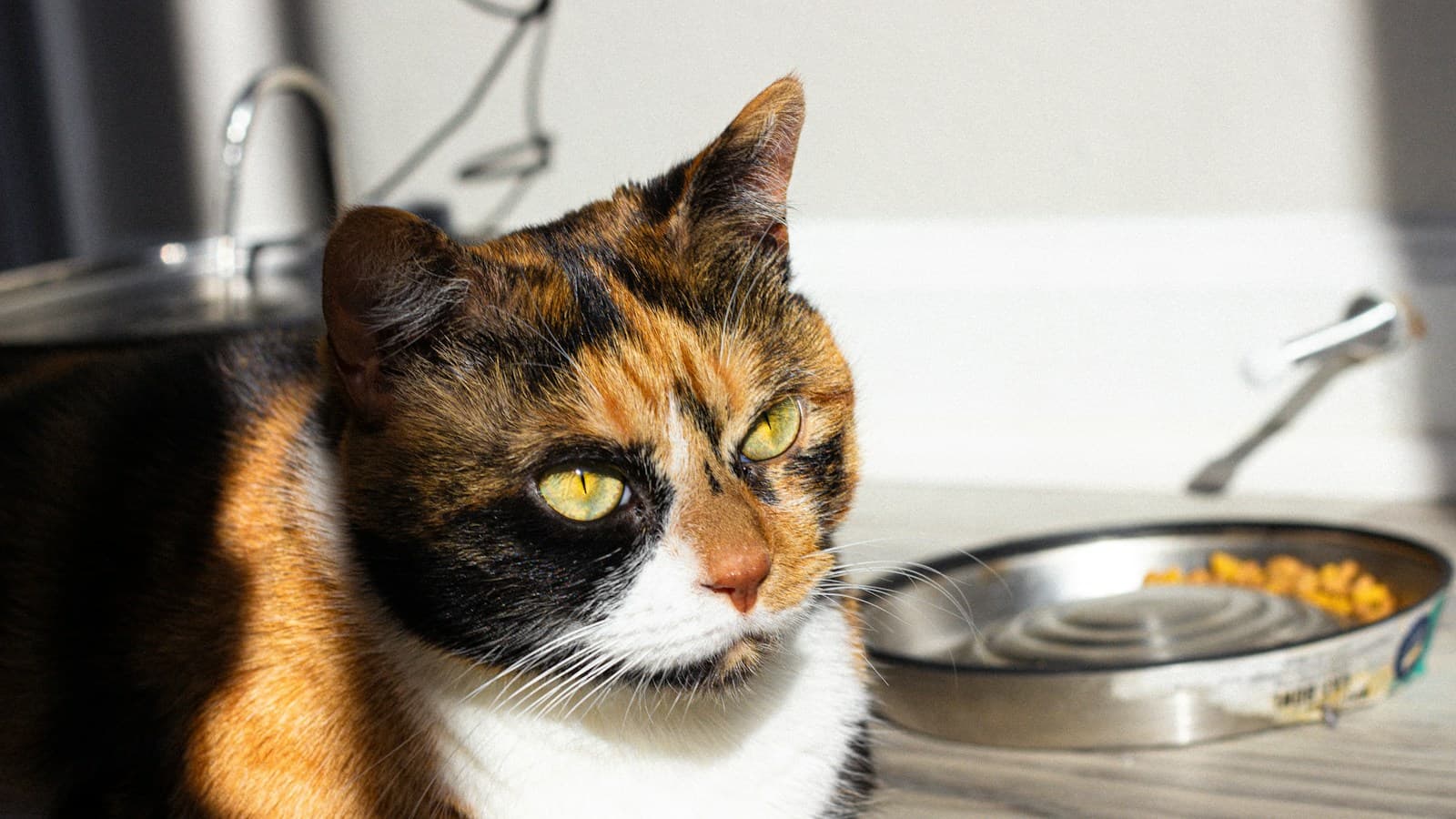
Place food where the cat can eat without being cornered or interrupted. In multi-cat homes, separate feeding stations can reduce competition and make it easier to see who is eating. Stable, comfortable bowls are more important than assigning a special bowl shape to every kind of treat.
The FDA's handling advice recommends clean hands, utensils and feeding equipment, along with appropriate storage. Follow the package instructions and refrigerate or discard leftovers as directed. Do not leave perishable food out indefinitely, and keep packaging details available if a product problem needs to be reported.
Review changes with a veterinarian
Introduce a new food gradually when appropriate, unless your veterinarian gives different instructions. Do not force a reluctant cat to accept a diet by prolonged fasting. Reduced appetite, vomiting, weight loss or difficulty eating needs timely assessment. A sound feeding routine combines suitable food with observation, rather than relying on advertising labels or a menu of household extras.