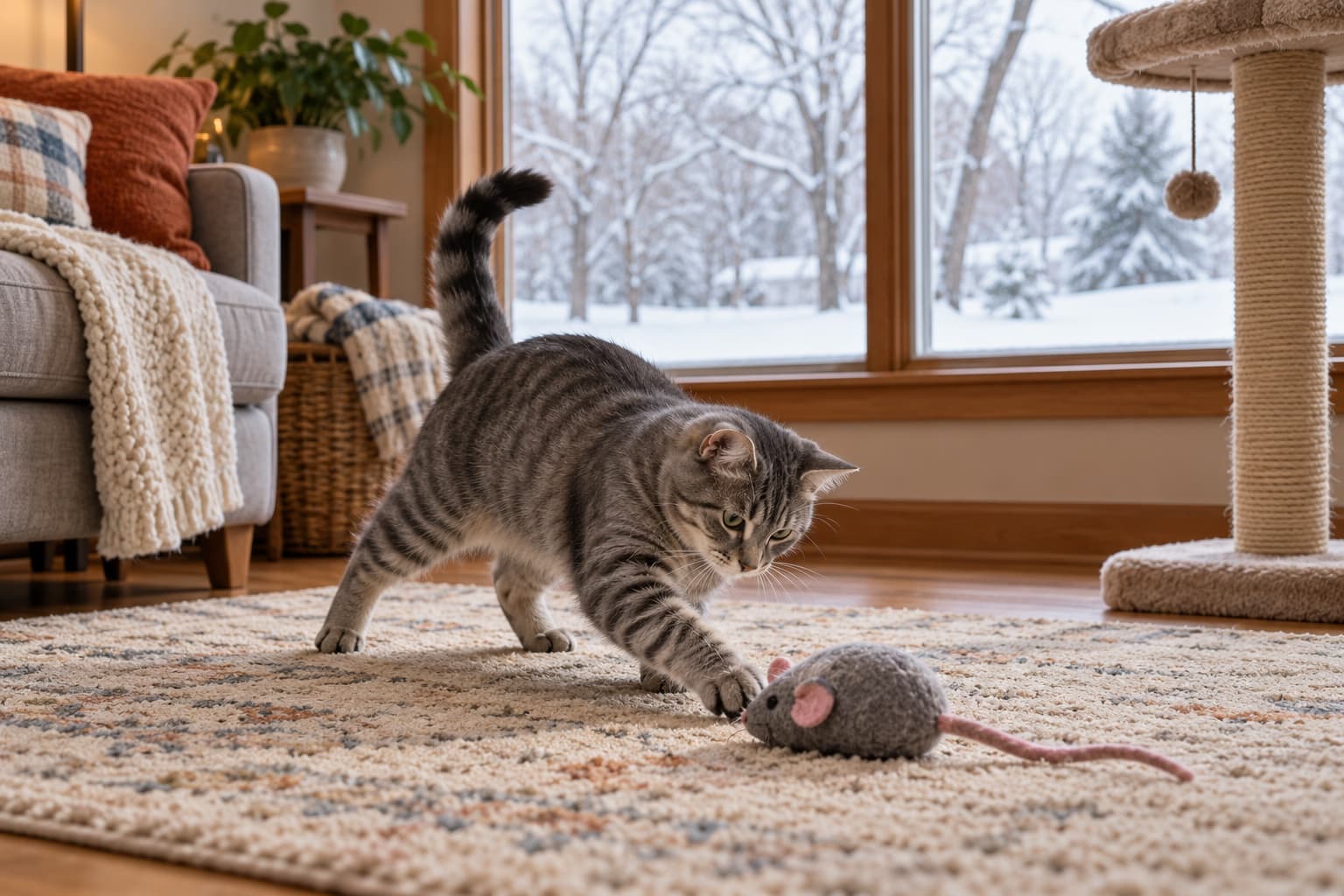
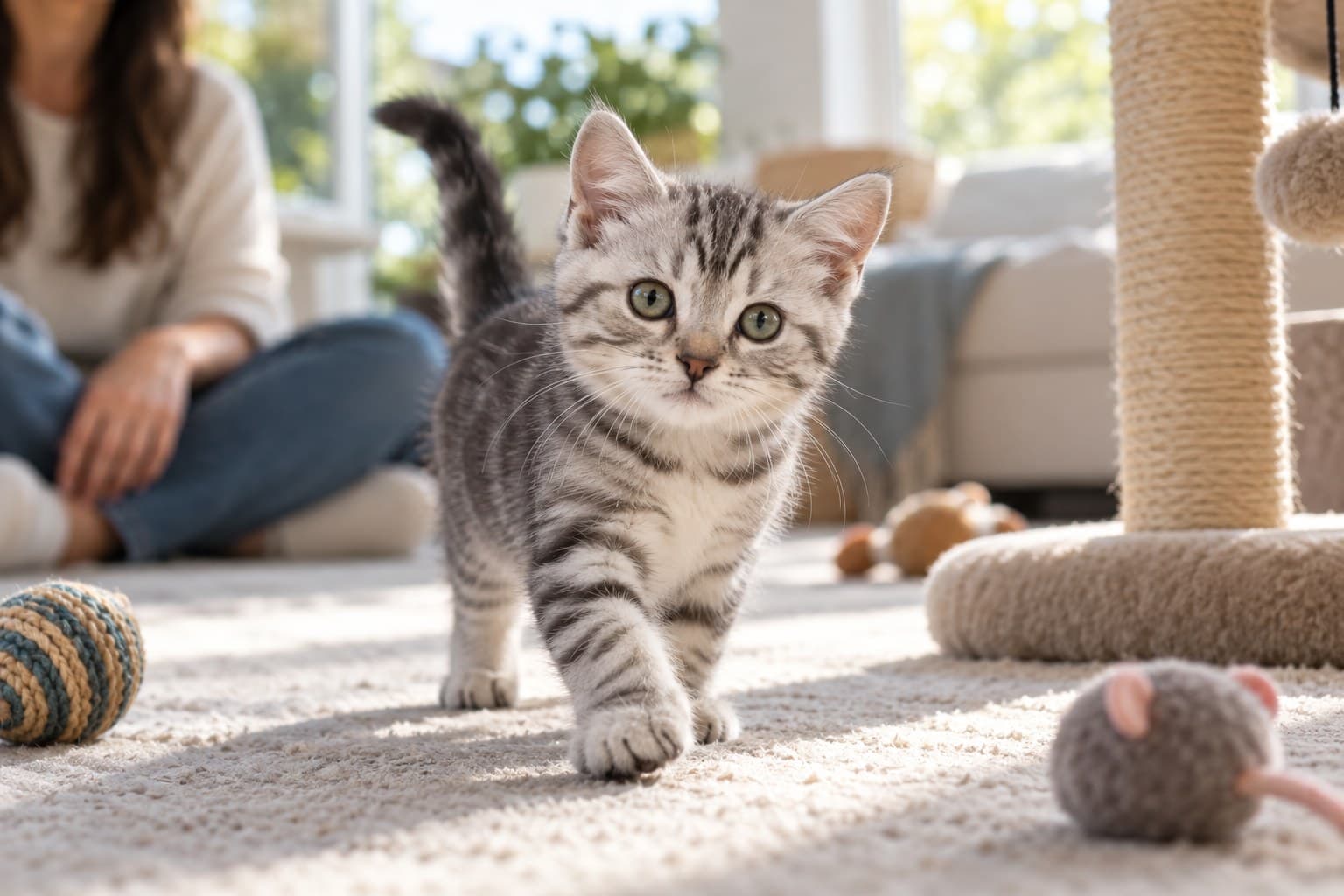
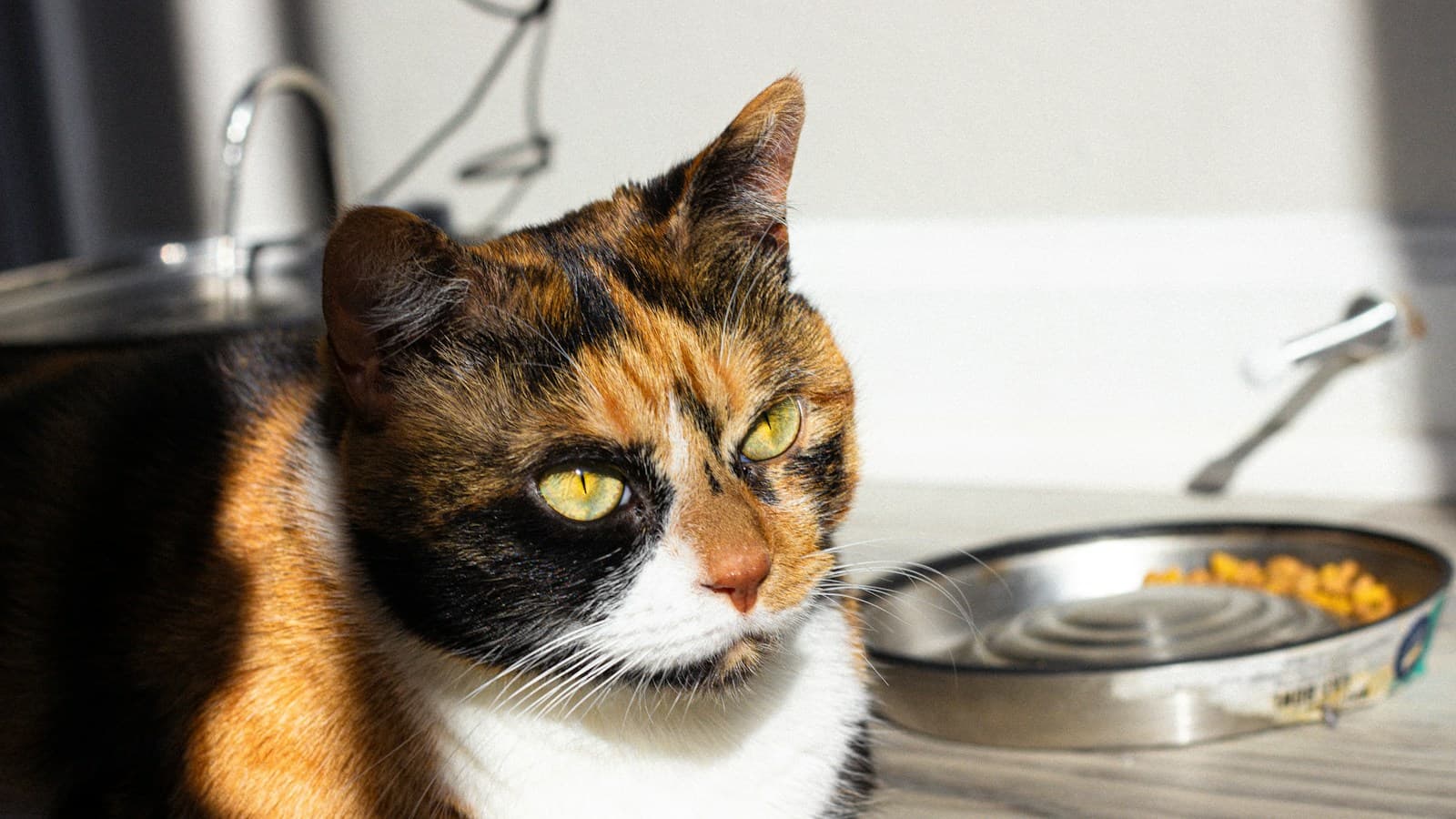
The Munchkin is a cat breed defined by unusually short legs. Individuals may be playful and affectionate, but those qualities should not distract from questions about body structure and welfare. A cat appearing lively in a video is not proof that every animal with the same trait has normal mobility or will remain free of discomfort.
Appearance and breed identity
Munchkins occur with short or longer coats and in varied colors. Short legs are an inherited feature, not a separate coat pattern. Calling the breed simply a random mixed-breed cat is misleading, although breed recognition differs between cat registries.
The modern breed developed from short-legged cats found in the United States during the late twentieth century. Its name refers to characters in The Wizard of Oz. That history should not be taken as evidence that deliberately selecting for shorter limbs is harmless.
Why welfare is debated
The Animal Welfare Committee's review of feline breeding practices discusses the consequences of breeding cats for unusual physical traits. Shortened limbs can affect the way a cat moves and performs normal activities. The relevant question is not whether an owner loves the cat, but whether the inherited structure limits its welfare.
Claims that Munchkins never have back or joint problems are not justified. Conversely, an individual diagnosis should not be made from a photograph alone. A veterinarian should assess gait, comfort, joint movement and any difficulty with everyday tasks. Long-term evidence and the individual examination both matter.
The inheritance is also more complex than saying one quarter of kittens will be born dead. The predicted nonviability of embryos inheriting two copies of the short-leg variant is not the same as an observed stillbirth rate in every litter. Breeding decisions need informed genetic and welfare advice, not a simplified percentage in a sales description.
Make the home accessible
Provide stable, low access to litter boxes, food, water and resting places. Steps or ramps may help a cat reach a favorite perch, but they should be secure and easy to use. Do not encourage repeated high jumps to demonstrate that the cat can keep up with longer-legged companions.
Offer play at a comfortable level and let the cat choose when to pause. Watch for changes such as reluctance to climb, altered grooming, reduced activity or difficulty entering the litter box. These can be subtle signs of discomfort rather than laziness or a normal consequence of the breed.
Longer coats need gentle brushing, particularly where tangles develop under the body. Keep the cat at an appropriate body condition, since excess weight adds demands to movement. Ask your veterinarian for a feeding and activity plan suited to the individual.
Choosing responsibly
Meet adult cats, request veterinary records and ask specific questions about mobility and health in related animals. Avoid sellers who dismiss every welfare concern or market the shortest possible legs as the main benefit.
If you already care for a Munchkin, focus on practical support and regular assessment rather than blame. Adoption decisions can also include cats with more typical body proportions. Whatever the choice, prioritize the animal's ability to move, play, groom and rest comfortably throughout life.