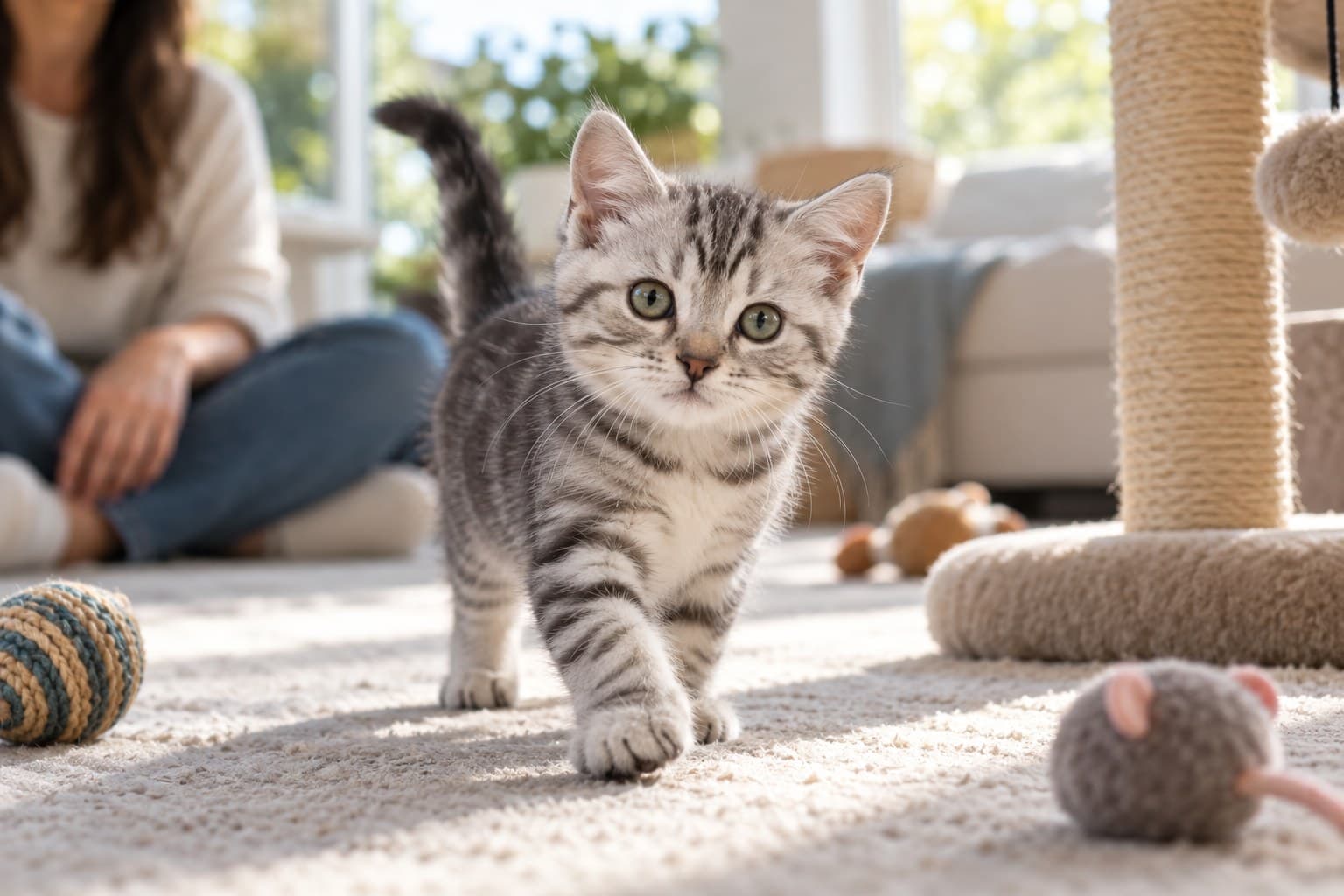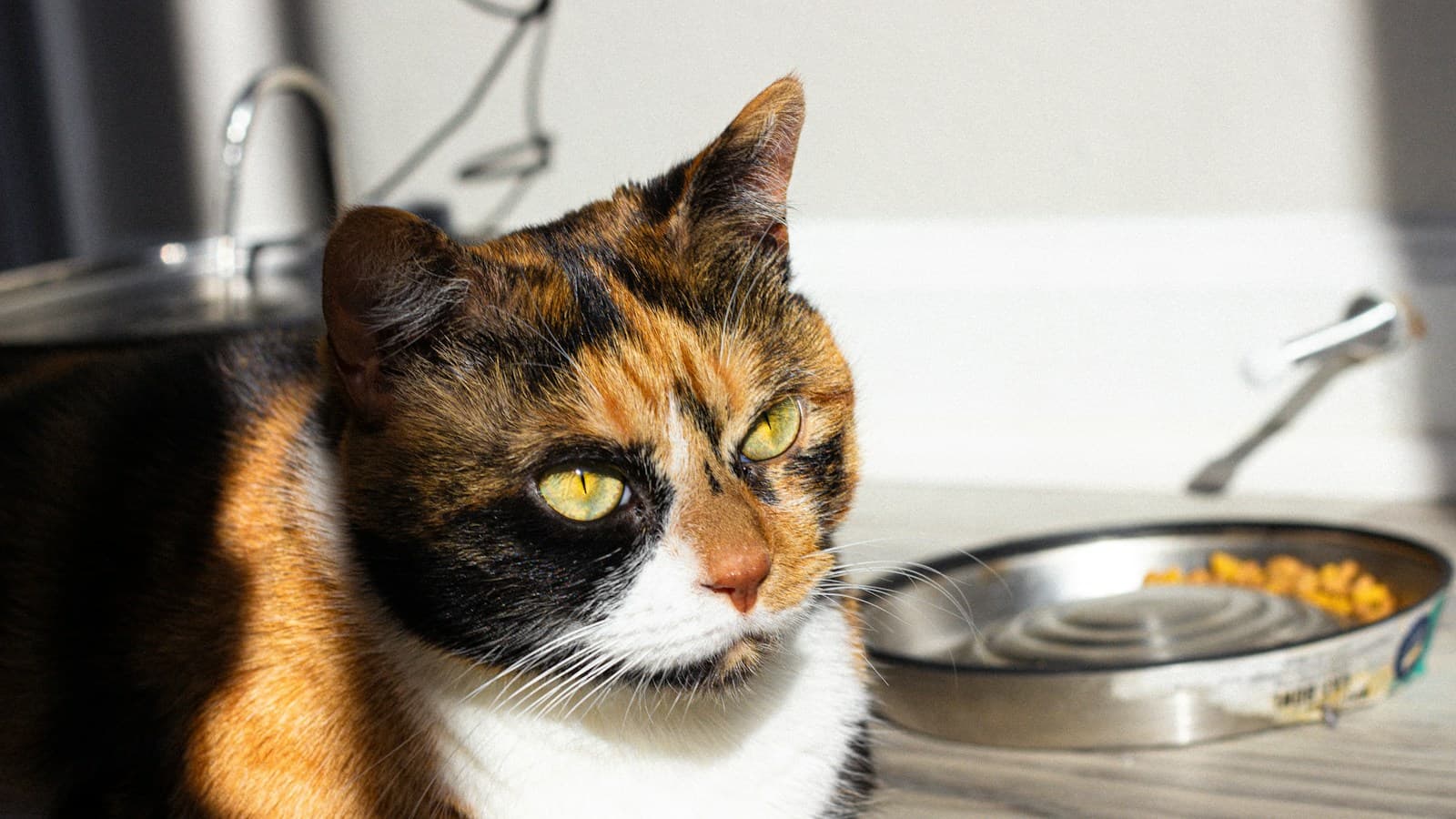
Living with a cat is easier when we observe what it does rather than inventing motives. A cat choosing a different sleeping place, scratching furniture or avoiding a bowl is responding to its circumstances. These actions do not establish that it considers people inferior cats or is trying to take control of the household.
Preferences are useful information
Price and appearance matter less to a cat than comfort, location, cleanliness and previous experience. A costly bowl can still be poorly placed, unstable or difficult to use. A cat that hesitates to eat may be worried by another animal nearby or may feel unwell. Do not describe the preference as stupidity or assume hunger will resolve every problem.
Use safe, clean dishes and observe where the cat eats comfortably. In a multi-cat home, separate feeding locations can reduce competition. If appetite falls suddenly or the cat repeatedly approaches food and retreats, seek veterinary advice. Dental pain and other illnesses can affect eating even when the food has not changed.
Resting choices also vary. A cat may move between a warm bed, a quiet hiding place and an elevated perch as the day changes. Ohio State University's Indoor Pet Initiative explains the value of providing appropriate resources and refuge. Offer choices rather than repeatedly forcing the cat into the bed you purchased.
Scratching is normal behavior
Scratching helps cats maintain claws and communicate through scent and visible marks. It is not an act of revenge against furniture. Provide stable scratching surfaces in places the cat already uses, including near resting areas, and experiment with orientation and texture.
Reward use of the preferred surface and make vulnerable furniture less accessible while the new habit develops. Shouting, hitting or frightening the cat can damage trust without showing it what to do instead.
Social relationships are not a household ranking chart
Cats differ in how much contact they enjoy and how they respond to familiar people. One person may predict play, another gentle handling and another something worrying. These learned associations do not prove a fixed hierarchy in which women, men and children have predetermined roles.
Invite contact and let the cat approach or leave. Pause during petting and notice whether it seeks more. Stiffening, turning away, skin twitching or tail movements may mean the interaction should stop. A cat that tolerates something without struggling is not necessarily enjoying it.
Children need guidance and adult supervision. A cat should not be expected to recognize a child as a kitten and tolerate rough treatment. Provide places the child cannot reach, and prevent grabbing, chasing and disturbance during meals or sleep.
Accidents and aggression need assessment
Urination outside the litter box is not evidence that a cat is punishing an owner for a late meal. Pain, urinary disease, litter preferences, access problems and social stress are possible explanations. The Cornell Feline Health Center's house-soiling guidance emphasizes evaluating the cause rather than punishing the animal.
Contact a veterinarian promptly for straining, blood, discomfort or repeated unsuccessful attempts to urinate. An inability to pass urine is an emergency. Even when illness is excluded, a behavior plan should address the environment instead of relying on reprimands after the event.
Biting or scratching may occur during fear, pain, overexcited play or unwanted handling. Create space safely and note the circumstances. Do not provoke another episode to demonstrate the problem. A veterinarian or qualified feline behavior professional can help interpret patterns and choose a safer approach.
Prevent food stealing and offer alternatives
A cat taking food from a counter may simply have learned that interesting food is available there. Store food securely, clean preparation areas and keep dangerous ingredients out of reach. Teach an alternative station, such as a nearby mat or perch, where the cat can receive an appropriate reward.
Avoid unattended string toys and other items that can be swallowed. Provide interactive play, manageable food puzzles and opportunities to explore safely. Cats need activity even when they appear content to sleep for much of the day.
Build a predictable relationship
Keep routines reasonably consistent while allowing individual choice. Record changes in appetite, movement, grooming, toileting or social contact, particularly in older cats. A new behavior should prompt curiosity about health and circumstances before a judgment about character.
You do not need to know exactly what a cat thinks of people to support it well. Comfortable resources, gentle interaction and attention to changing needs provide a firmer basis for companionship than stories about spite, guilt or a secret family hierarchy.