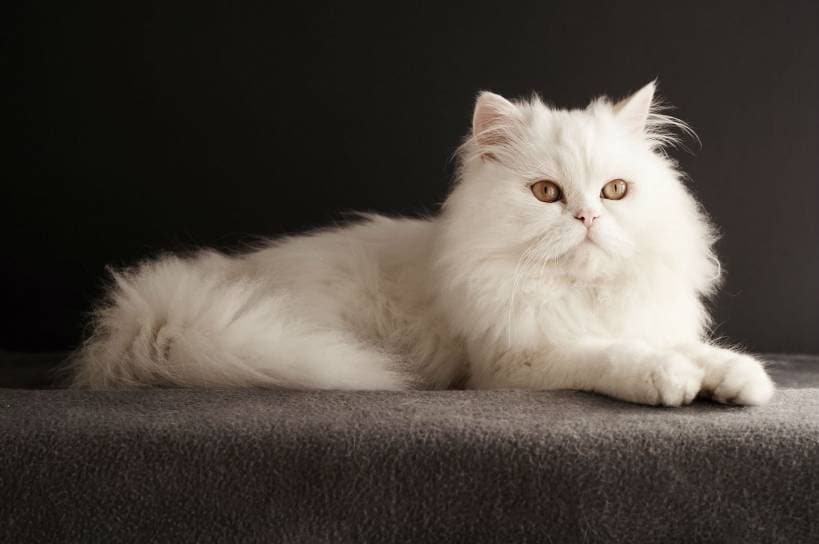
Persian cats are recognizable for their long coats, rounded outlines and broad faces. They have a long history in organized cat breeding, but their appearance should never matter more than comfortable breathing, clear eyes and everyday wellbeing. A Persian can be an affectionate companion when its substantial grooming needs suit the household.
Personality and home life
The CFA Persian profile describes the breed's appearance and generally quiet nature. Individual cats still differ: some seek frequent contact, while others prefer company at a little distance. A calm reputation does not mean a cat should be left without interaction or expected to tolerate rough handling.
Provide hiding places, comfortable beds and accessible climbing options. Offer play every day, adapting games to the cat's age and mobility. A toy moved slowly across the floor may appeal more than an energetic chase up furniture. Allow the cat to retreat and let children learn to invite contact rather than carry it around unwillingly.
Coat care is a daily responsibility
Check the coat regularly and comb gently through it, paying attention behind the ears, under the legs and around the hindquarters. Work in short sessions with rewards if the cat is not used to handling. Surface brushing alone can leave tangles close to the skin.
Do not pull painfully at mats or cut them out with scissors near the skin. A groomer experienced with cats or a veterinary team can advise on safe removal. A practical trim may help some households, but it does not replace skin checks or regular care. Ask for help early rather than allowing small tangles to become tight mats.
Keep the litter area clean and check that long hair is not retaining waste. Use grooming products intended for cats and follow professional advice about bathing. A frightened, struggling cat needs a gentler plan, not restraint that risks injury to either of you.
Health matters beyond the coat
Very flat facial structure can be associated with breathing and eye problems. Persistent noisy breathing, difficulty eating, eye redness or discharge deserve veterinary assessment. Do not assume these signs are unavoidable or acceptable simply because the cat is a Persian. Seek urgent care for marked breathing difficulty.
Persians are also associated with inherited polycystic kidney disease. Cornell's overview of polycystic kidney disease explains that fluid-filled cysts can damage the kidneys. Ask a breeder about relevant testing of the parents and obtain identifiable results. Screening is one part of responsible selection, alongside physical examination and family history.
Introduce toothbrushing gently and arrange dental checks as advised. Feed measured portions of a complete diet, monitor weight and provide fresh water. A long coat can conceal weight changes, so assess the body by touch as well as appearance.
Companionship without unrealistic promises
Living with a cat can be enjoyable and comforting, but a Persian does not cure chronic human illness. Likewise, refusing food or water when a person is away should be treated as a concern, not a charming sign of devotion. Arrange reliable care during absences and seek veterinary advice promptly if appetite changes.
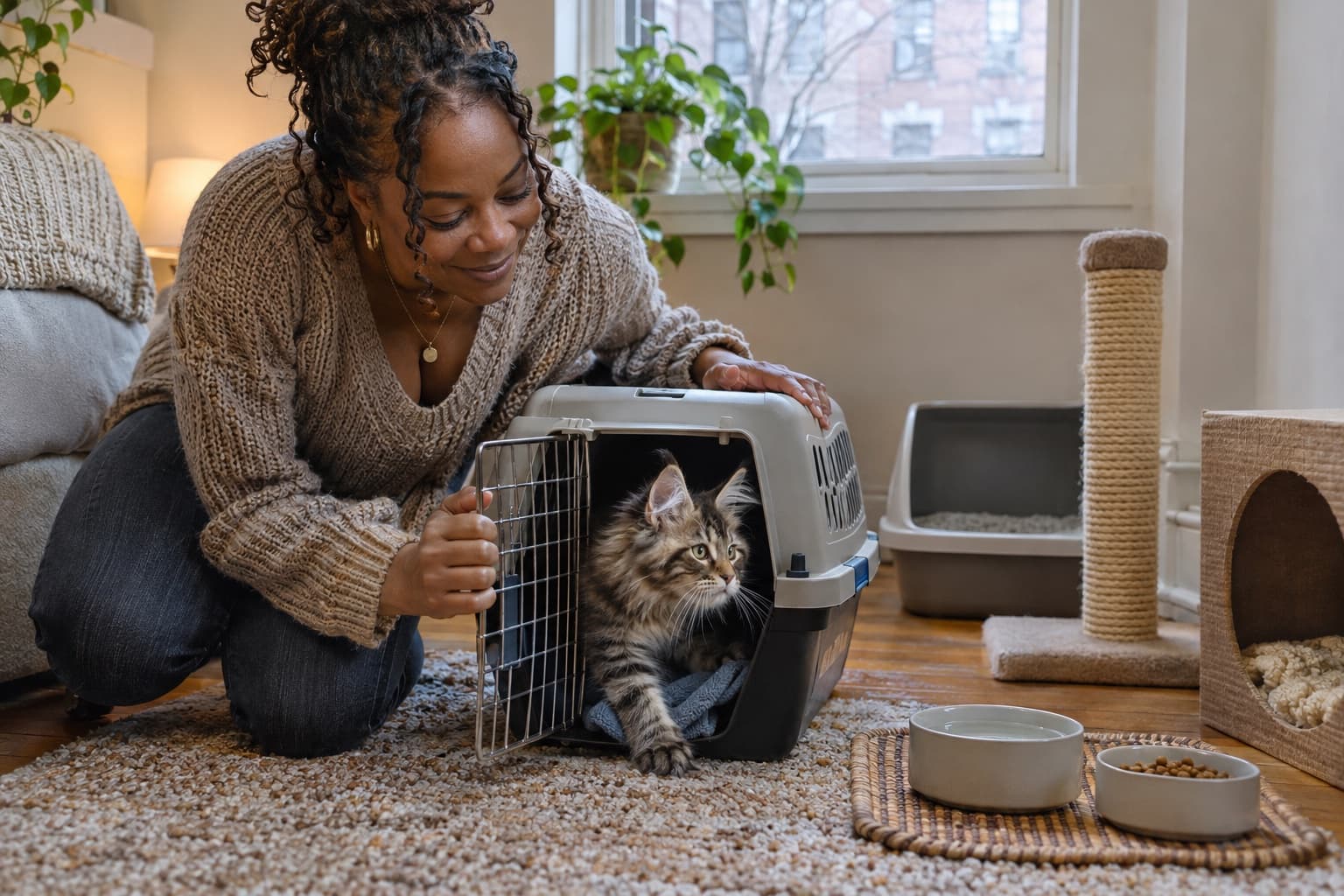
Prepare for travel with gradual carrier practice at home. Not every Persian will be relaxed in a car or unfamiliar room. Choose a cat for its health and compatibility, and budget for grooming and veterinary support throughout its life.