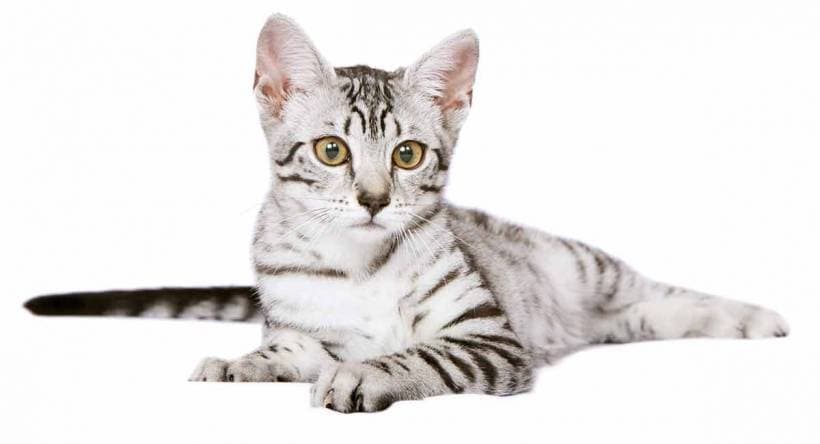
The Egyptian Mau is a domestic cat known for a naturally spotted coat and an athletic appearance. Its markings can suggest a wild animal, but it is not a cheetah cross. Choosing a Mau means caring for an individual companion, not acquiring a miniature wild predator.
History and breed identity
The Cat Fanciers' Association's Egyptian Mau profile describes the modern breed's development, including Nathalie Troubetskoy's arrival in the United States with three Maus in 1956. Ancient Egyptian cats are part of the breed's historical associations, but those associations should not be used to invent a documented pedigree stretching back thousands of years for a modern kitten.
CFA recognizes silver, bronze and smoke for championship competition. In smoke cats, dark tipping overlies a paler undercoat, giving the coat a different appearance from silver or bronze. Registries may have different rules, so check the relevant standard instead of assuming every advertised color has the same status.
An active cat with personal preferences
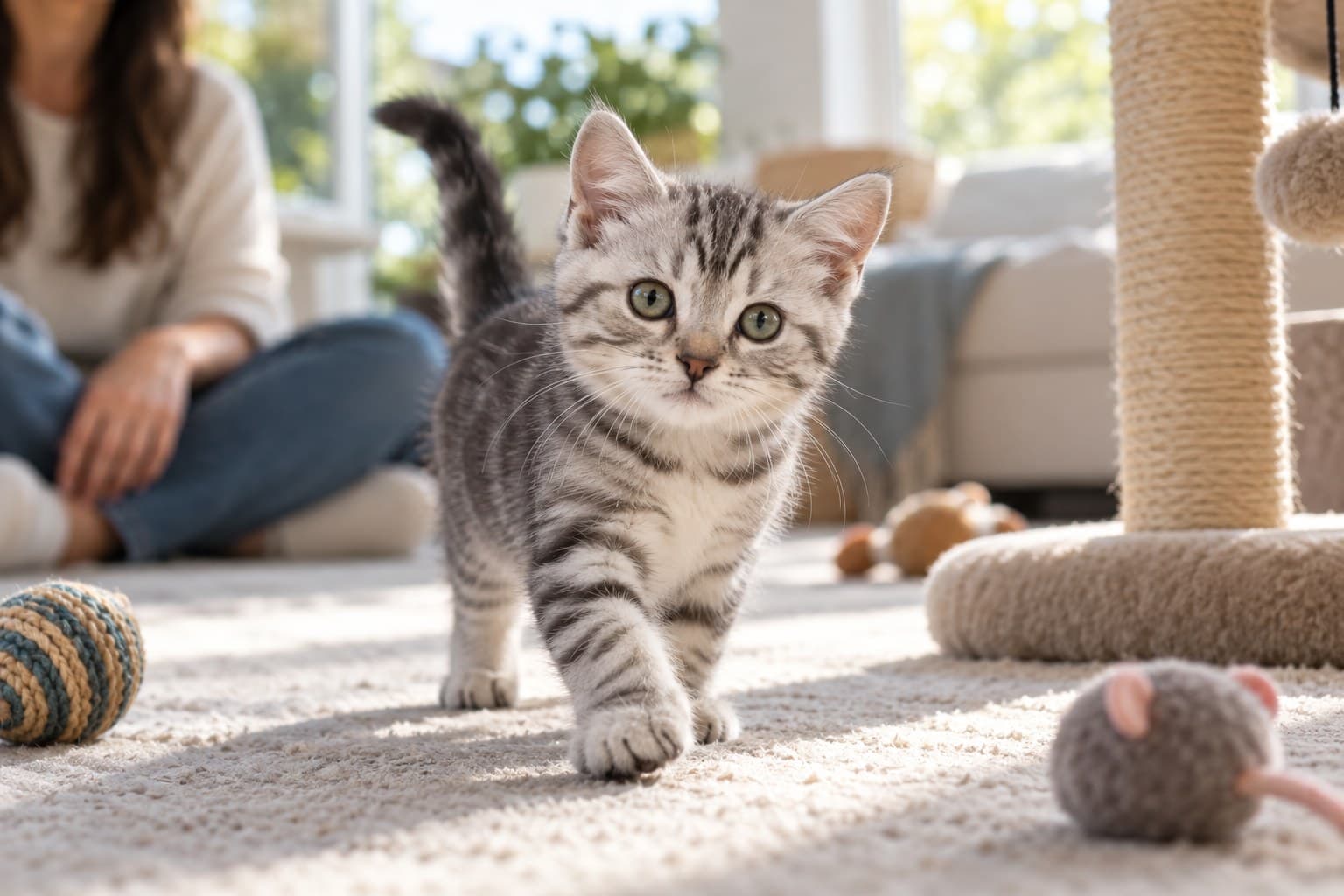
Many Maus enjoy climbing, chasing toys and observing household activity from a raised position. Some are reserved around strangers and more demonstrative with familiar people. This is a general tendency, not a guarantee that every Mau will be shy, cuddly or eager to travel.
Let a new cat settle in a quiet room before introducing the wider home. Provide hiding places and give it control over approaching visitors. Avoid surrounding it with excited people or picking it up repeatedly to demonstrate friendliness. Confidence develops through comfortable experiences.
Build a stimulating indoor home
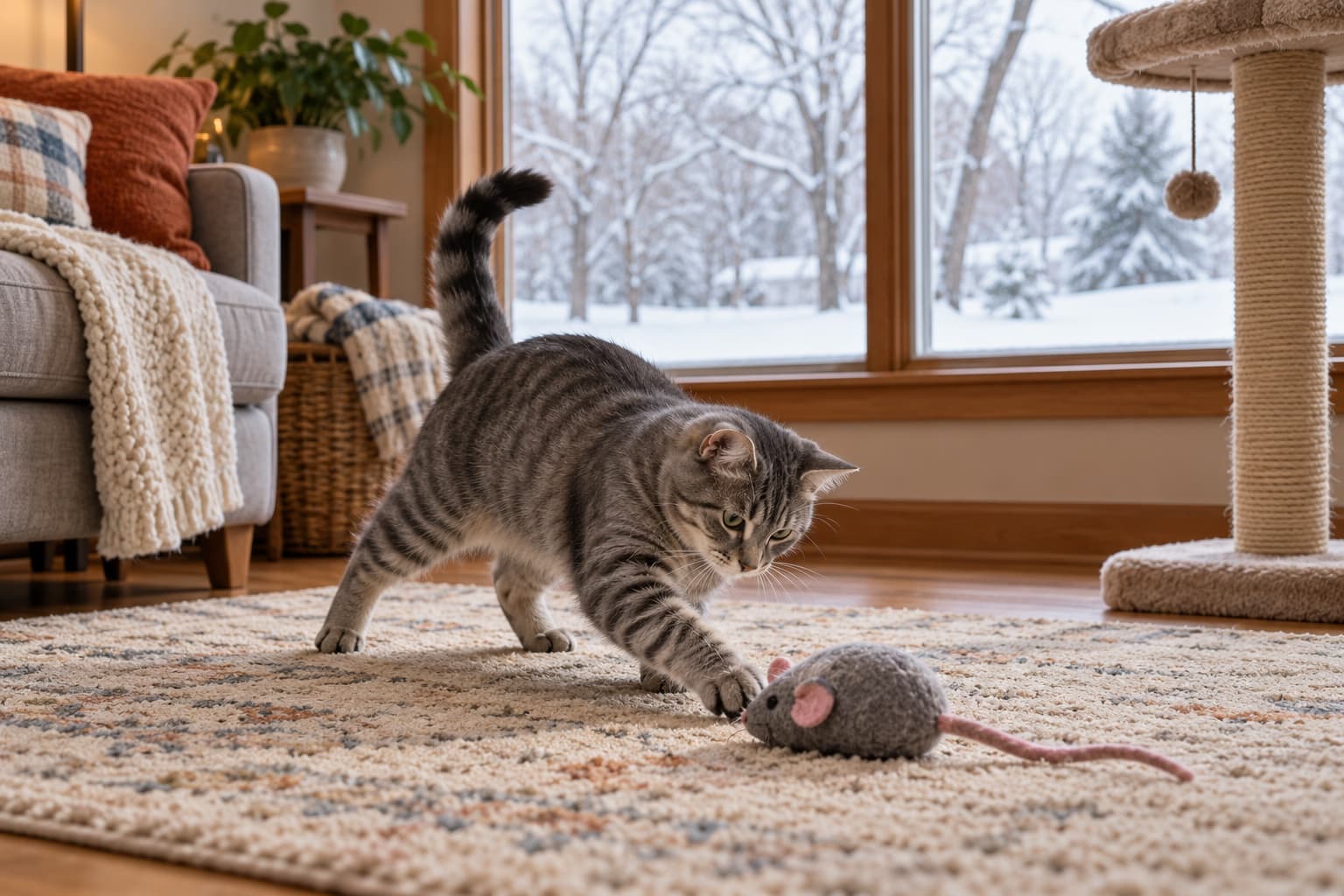
An athletic cat can live well indoors when the environment offers meaningful choices. Provide stable climbing furniture, scratching surfaces and daily interactive play. Move toys in ways that allow stalking and catching, and finish with a calm activity. Put away string toys and small pieces after supervised sessions.
Food puzzles can add variety when introduced at an easy level. Use part of the normal daily ration rather than adding unlimited treats. Offer quiet resting places as well as active areas so the cat can choose between company and sleep.
Outdoor roaming is not essential to keep a Mau content. If you provide a catio, check the roof, sides and doors for escape points. Harness training suits some individuals but should begin indoors and progress slowly. No harness guarantees containment, and a frightened cat should be allowed to retreat.
Feeding and routine care
Feed a complete diet appropriate to age and health. An elegant outline should not be maintained by underfeeding, and a lively cat should not automatically receive unrestricted food. Assess body condition with your veterinarian and adjust measured portions as needs change. Fresh water should always be available.
The short coat generally needs gentle grooming. Use handling sessions to check skin and introduce nail and dental care positively. Keep litter trays clean and easy to reach; persistent toileting changes warrant a veterinary review rather than punishment.
Questions before choosing a kitten
Ask about the parents' health history, relevant testing and the kitten's veterinary records. Discuss how the kitten has experienced people, normal household sounds and handling. Registration alone is not evidence that every health concern has been addressed.
For a home with children or other pets, plan gradual introductions and provide separate resources. A Mau's speed and curiosity make secure windows, cupboards and doors especially worth checking. Match the individual cat's needs with your time and space, and budget for long-term veterinary care as well as the initial purchase or adoption.