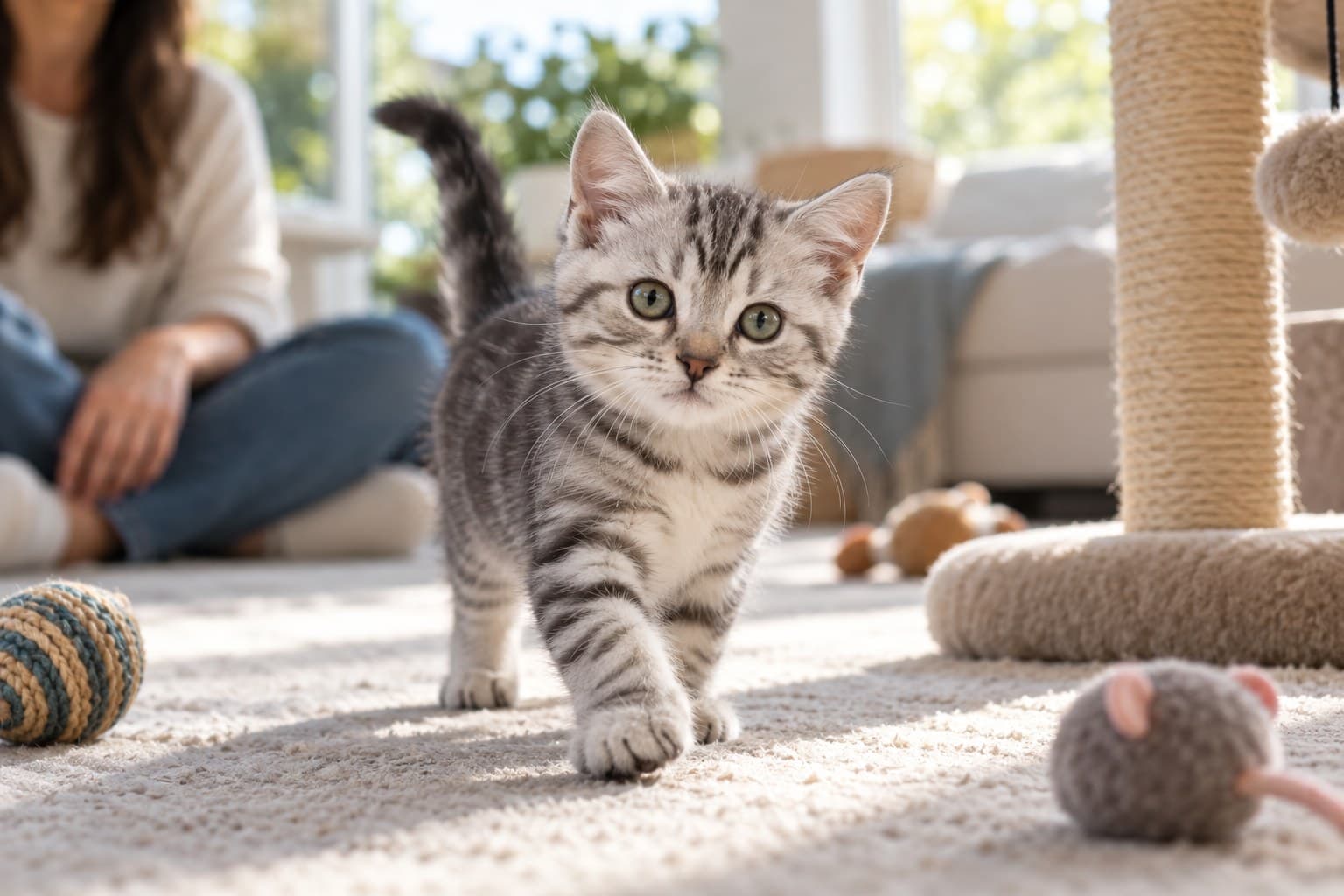
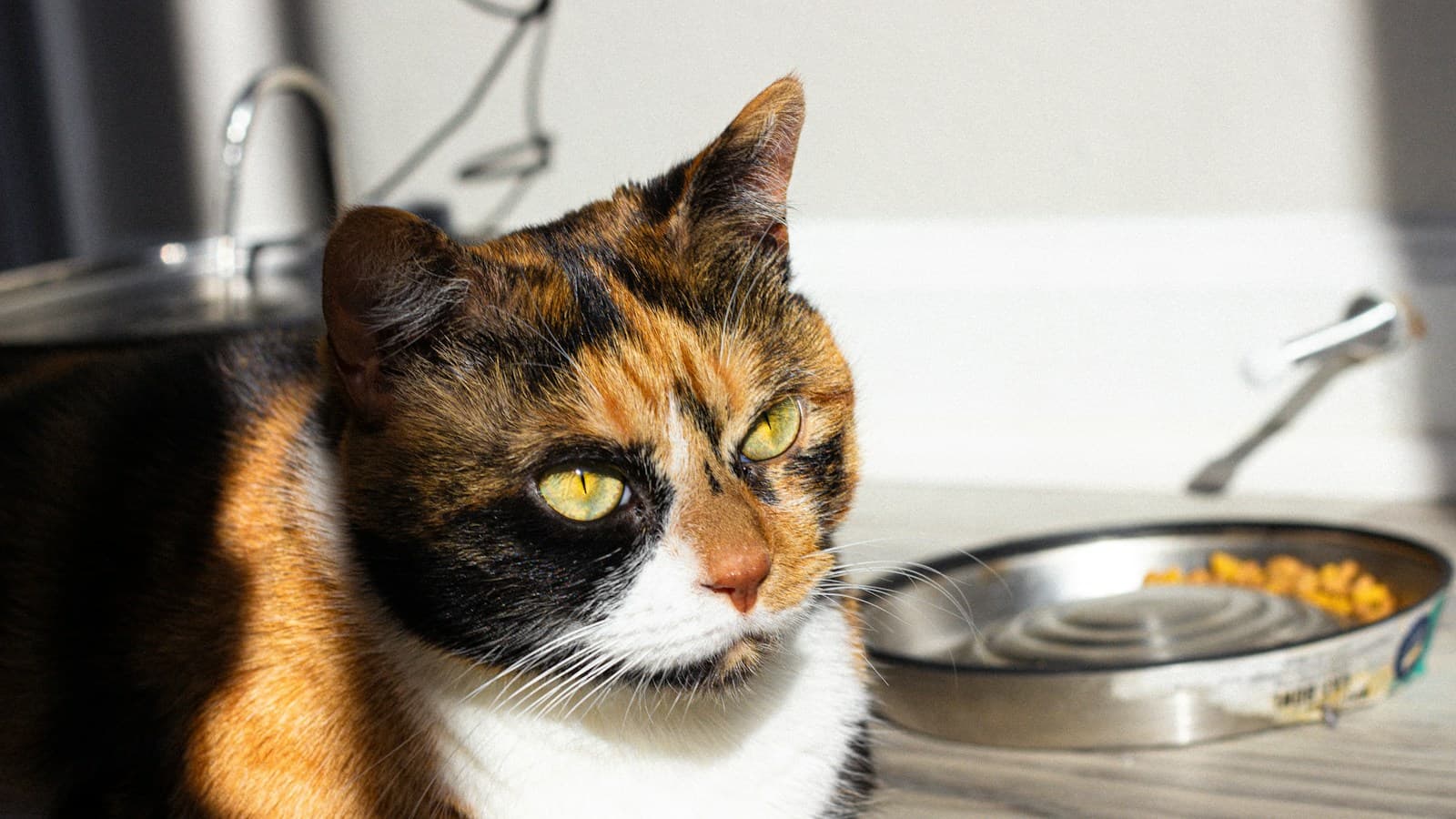
The Siamese is an elegant, slender cat with blue eyes and a pointed coat pattern. It is not a miniature breed, and a light-looking body should not be confused with unusually small size. Many Siamese cats are active and sociable, making them engaging companions for households that enjoy daily interaction.
History without the legends
The breed is associated with Siam, now Thailand, and has a well-established place in modern cat breeding. Stories about royal palaces and temple duties are often repeated, but romantic accounts should not be presented as documented facts about every ancestral cat. Modern pedigree history is more useful when assessing a particular breeder or kitten.
Siamese cats are domestic cats. They do not owe their identity to a cross with a cheetah or to the modern Bengal breed. Claims based on an allegedly unique pregnancy length do not establish wild ancestry. A tail kink likewise cannot, by itself, prove a specific breeding history or explain an individual cat's genetics.
How the pointed pattern works
The UC Davis explanation of colorpoint restriction describes an inherited, temperature-sensitive form of pigmentation. In Siamese cats, cooler areas such as the ears, face, legs and tail develop darker color than the warmer body. Kittens are initially pale and their points become more apparent as they grow.
The CFA Siamese profile recognizes seal, chocolate, blue and lilac points within its Siamese standard. Other registries use different classifications and may recognize additional colors under different breed names. Check the registry that issued a cat's papers before treating a color label as proof that the pedigree is invalid.
The Balinese is a related longhaired breed. Coat length does not guarantee a calmer personality, and closely related breeds still contain individuals with very different preferences. Choose for compatibility and health rather than assuming a particular appearance predicts behavior perfectly.
A companion that needs engagement
Many Siamese cats are vocal and interested in what their people are doing. They may follow household activities, investigate bags or learn routines quickly. Some are quieter or more cautious. A talkative breed reputation does not mean every new vocalization should be ignored; changes can reflect a need or a health concern.
Plan daily interactive play, comfortable resting places and opportunities to climb and scratch. Rotate a few suitable toys to keep them interesting. Put away strings, ribbons and small detachable pieces after supervised play. Food puzzles can add variety, but start with easy tasks and keep the daily ration appropriate.
A second cat is not an automatic solution to loneliness. Compatibility and gradual introductions matter, and some cats prefer to be the only pet. If the household is frequently away, arrange reliable care and assess whether you can provide enough interaction for the particular cat you are considering.
Help the cat feel secure
Give a newly arrived cat a quiet starting room with water, food, a litter tray and hiding places. Allow exploration at its own pace. Introduce people individually and let the cat approach rather than passing it between visitors. Children should learn to recognize when the cat wants to leave.
Keep litter trays accessible and clean, and provide enough separate resources in multi-cat homes. Sudden house-soiling needs a review of health and surroundings, not punishment. A predictable routine can help, but cats also benefit from choices about where to rest and whether to participate.
Carrier practice can begin at home with the door open and familiar bedding inside. Reward voluntary exploration before attempting brief closures or trips. A Siamese cat is not automatically comfortable traveling simply because it is people-oriented.
Feeding, grooming and choosing responsibly
A short coat generally needs gentle, straightforward grooming. Introduce nail checks, toothbrushing and handling gradually. Feed a complete diet suited to life stage, measure portions and monitor body condition. Slender conformation does not justify underfeeding, while a lively appetite does not mean unlimited food is appropriate.
Ask a breeder for veterinary records, relevant parent health testing and a clear explanation of the kitten's social experiences. Discuss any known inherited problems in the family. For an adult rescue, ask about behavior in a home and any ongoing care needs.
Budget for routine examinations and unexpected treatment as well as food and equipment. The right Siamese is a healthy, comfortable individual whose needs fit your daily life, not simply a cat with dramatic points and bright blue eyes.