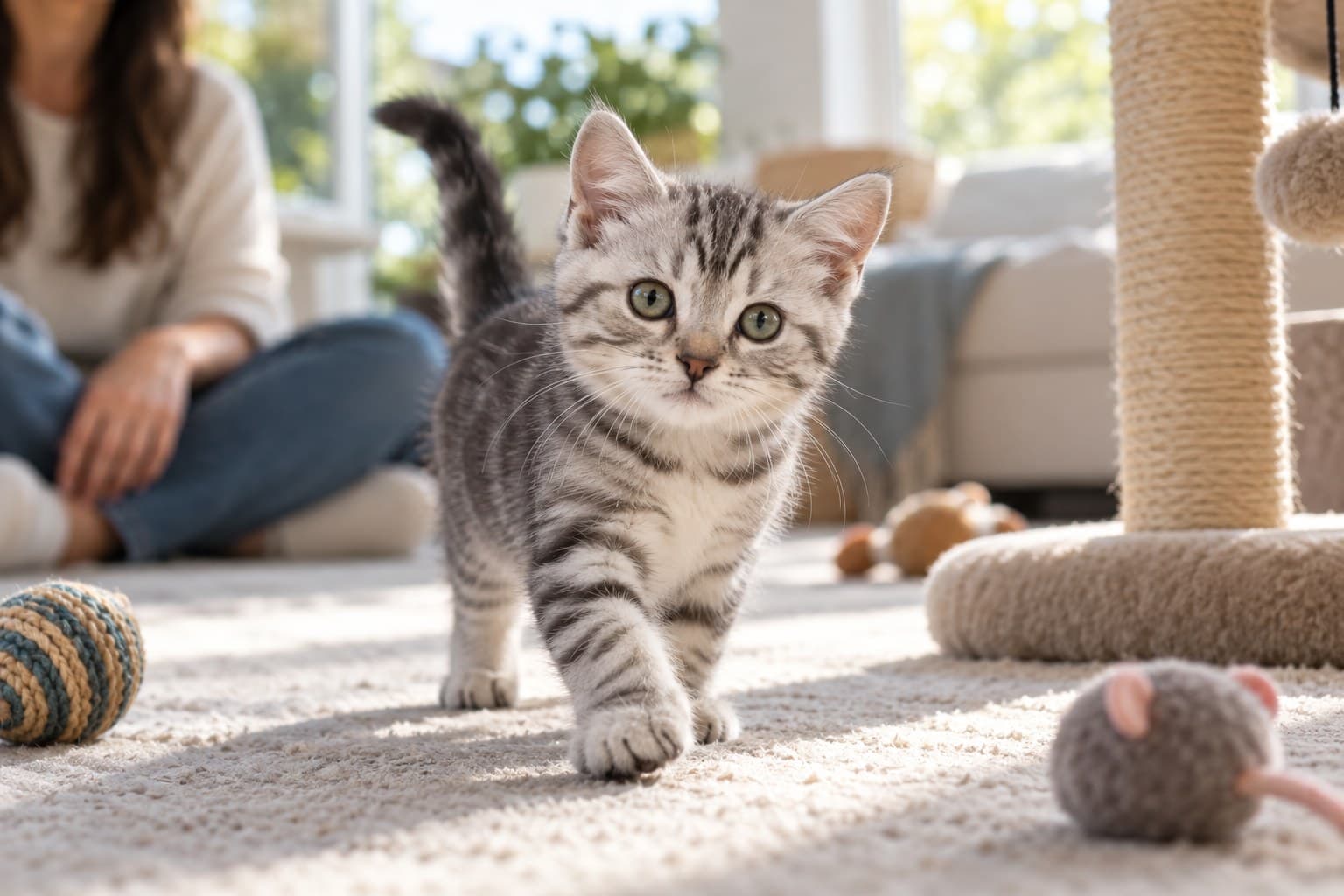
Cats can learn useful household routines, but they need clear opportunities and consequences they can understand. Training should not be a struggle to prove who is stronger. A cat that hides, scratches or avoids contact may be frightened, uncomfortable or unable to meet a need in its environment.
Begin with an easier home
Give a newly arrived cat a quiet starting area with food, water, a litter tray, hiding places and comfortable bedding. Let it explore gradually. Keep essential resources easy to reach and avoid crowding it with visitors. A predictable routine helps the cat learn where things are and what happens next.
Cats need choices about rest and contact. A bed beside family activity and another in a quieter place may both be useful. Do not force a cat to remain on a particular cushion simply because you bought it for that purpose. Reward voluntary use and consider whether the location is warm, secure and undisturbed.
Reward the behavior you want
Use small food rewards, play or another activity the cat enjoys. Reward immediately after a simple action, such as stepping onto a mat or approaching a carrier. Keep practice brief and stop before the cat loses interest. Training treats should be included in the daily food allowance.
An adult cat can learn too; there is no narrow kitten-only window for all household skills. Progress depends on the task, previous experience and comfort. Avoid promises that every cat will master a routine within three or four days.
Do not shout, hit, spray water or rub a cat's nose in an accident. Punishment can create fear of people and does not explain a useful alternative. This applies whether you discover a problem immediately or hours later. Cleaning and changing the setup are more productive than trying to assign blame.
Make litter trays convenient
Provide clean trays in quiet, accessible places, away from food and water. Kittens and cats with mobility difficulties need easy entry. In a multi-cat home, distribute resources so one cat cannot block another's access. Scoop regularly and choose a litter the cat is comfortable using.
Show a newcomer where the tray is, but do not repeatedly force it inside or hold it there. Watch for patterns if accidents occur: a frightening noise, a dirty tray or a difficult route may matter. Sudden or persistent house-soiling needs veterinary assessment because pain and illness can affect toileting.
Offer acceptable alternatives
Scratching is normal behavior. Place stable scratching surfaces near places the cat already uses and reward interest in them. Try different orientations or textures if a post is ignored. Protect vulnerable furniture while the new option becomes familiar rather than expecting a single warning to change a habit.
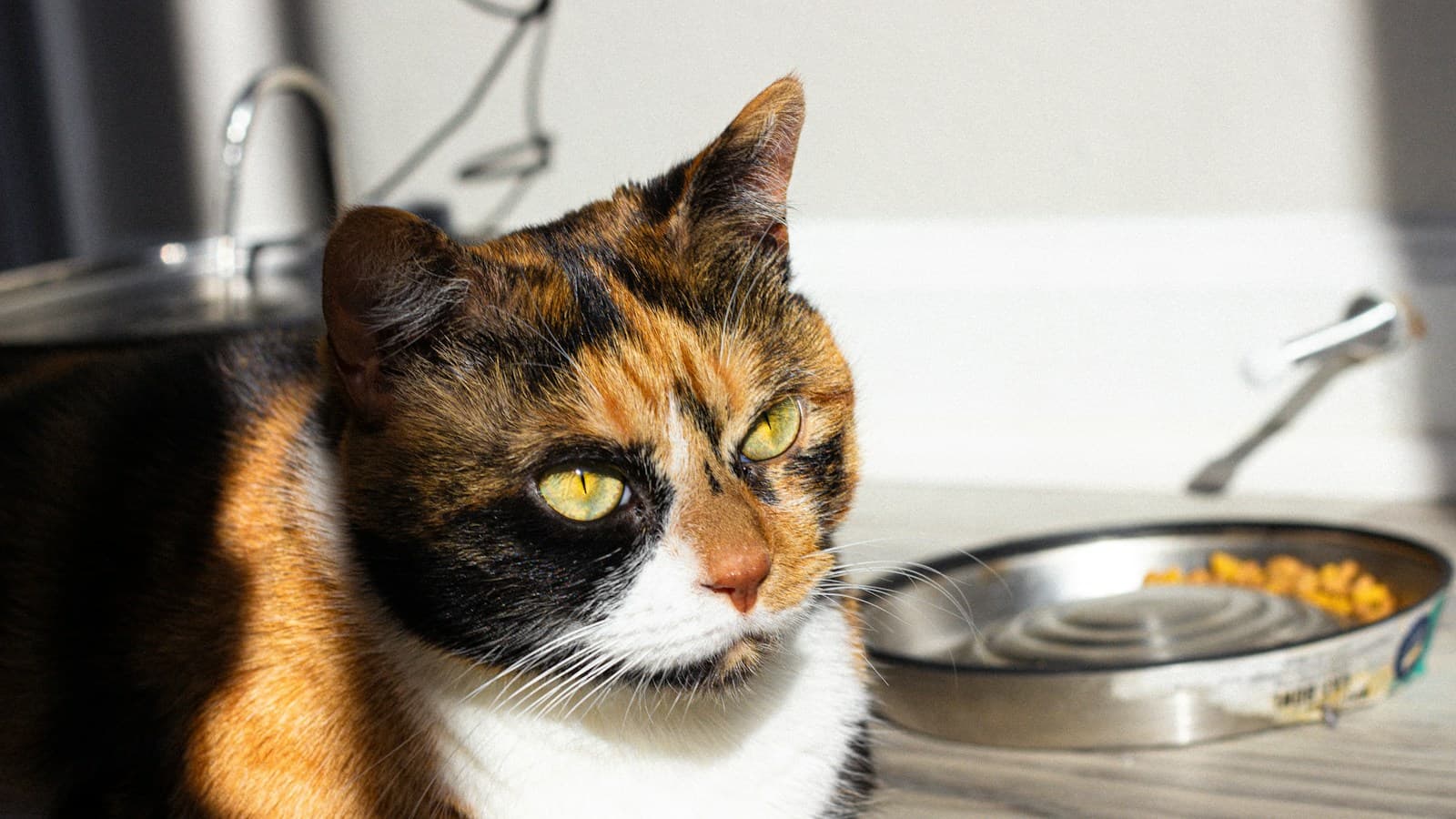
For kitchen counters, remove food temptations, keep dangerous appliances inaccessible and provide a suitable elevated resting spot elsewhere. Reward the cat for using that place. Repeatedly lifting it down may simply turn the encounter into attention or create fear if handling is unwelcome.
Cats Protection's play guidance offers ideas for using toys and hunting-style activity. Scheduled play can help meet needs that otherwise appear as chasing feet or grabbing hands. Keep fingers out of games and put string toys away afterward.
Prepare for time apart
Build short, manageable periods without direct attention and leave safe activities available. A new cat may need time to feel secure, but constant company followed by an abrupt long absence can be difficult. Arrange reliable care whenever meals, medication or supervision would otherwise be missed.
Destructive behavior is not evidence of revenge. Check whether the cat needs more suitable play, scratching options or a health review. If you are unsure, record the circumstances and ask a veterinarian or qualified feline behavior professional for guidance.
Consistency means making the desired choice easy every day. Agree on household routines, keep rewards close at hand and notice small improvements. A cat that feels safe and can meet its normal needs has a better foundation for learning than one that is frightened into avoiding its owner.