Deciding how a cat accesses the outdoors involves its health, behavior, surroundings and the owner's ability to manage risk. Free roaming is not a simple solution to scratching, spraying or litter-box cleaning. An indoor cat also needs an engaging environment, not just protection from outdoor hazards.
What outdoor access can offer
Outdoor surroundings provide changing smells, movement and places to explore. Some cats enjoy supervised time in a secure garden enclosure or a properly designed catio. Others prefer familiar indoor spaces and may become frightened when taken outside.
A harness can suit some cats if introduced gradually and used under close supervision. It is not appropriate to tether a cat unattended or force it through a noisy environment. The cat should be able to retreat to a safe place.
Understand free-roaming risks
Traffic, fights, getting lost, poisoning and encounters with other animals can cause harm. Outdoor access may also increase exposure to some parasites and infectious diseases. Vaccination and parasite prevention reduce particular risks, but cannot make every outdoor situation safe.
The American Veterinary Medical Association's guidance on outdoor cats discusses the welfare and environmental concerns. Cats may affect wildlife even when well fed, so responsible management considers other animals and neighboring households as well as the pet.
Build a satisfying indoor environment
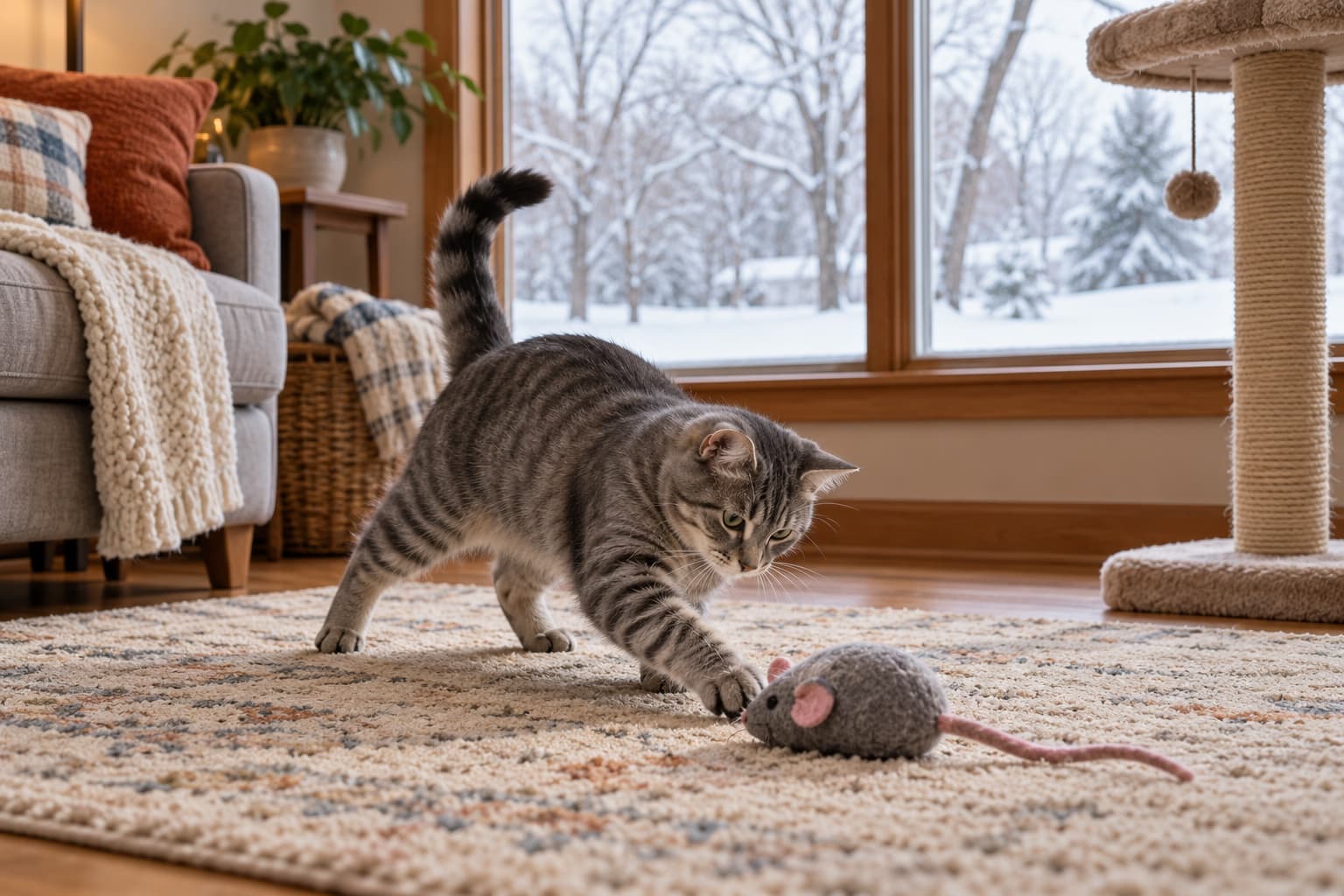
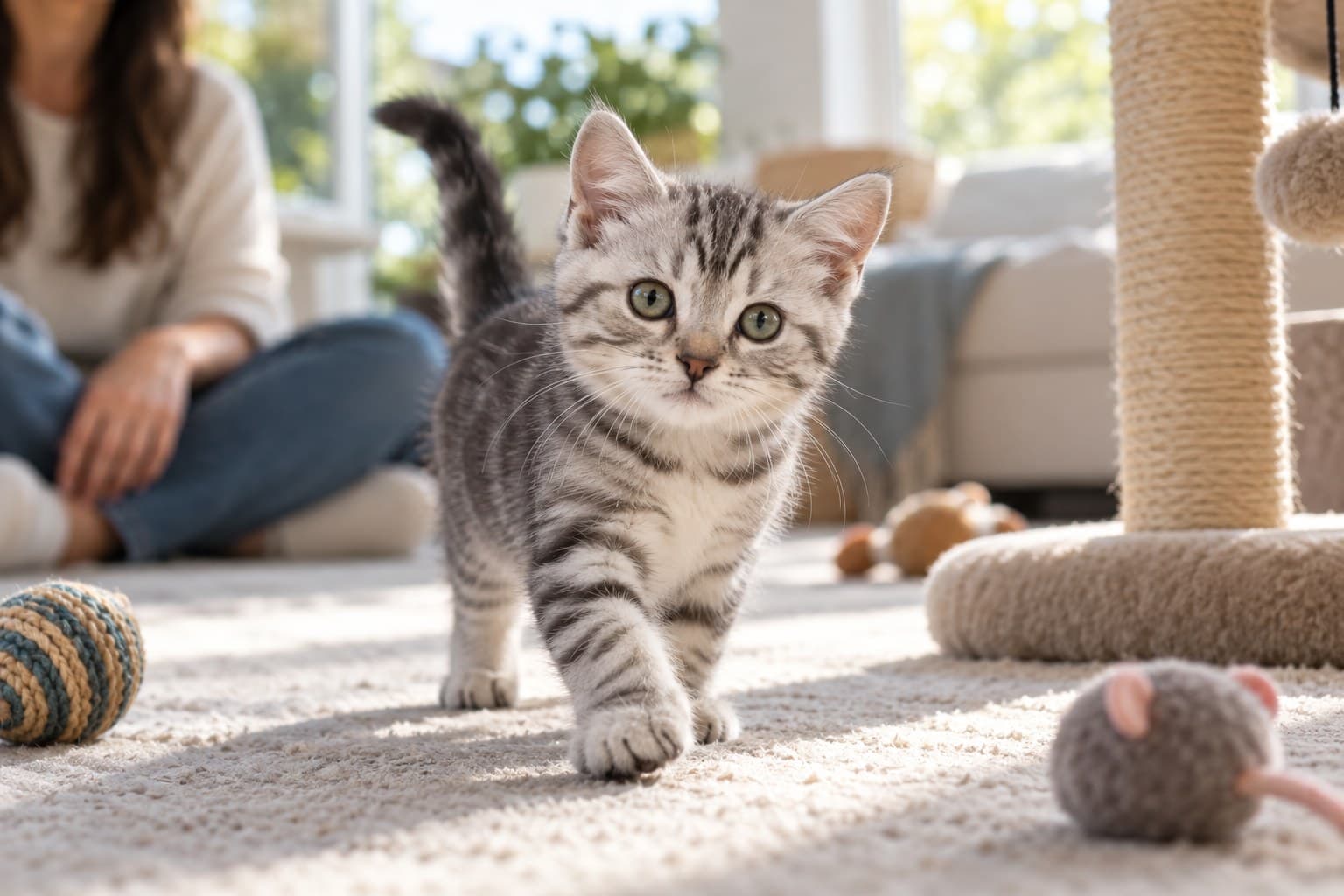
Provide stable climbing spaces, hiding places, scratching surfaces and daily interactive play. Rotate safe toys and offer food-search activities appropriate to the cat. A window perch can be interesting if it does not expose the cat to overheating or insecure screens.
Ohio State University's Indoor Pet Initiative describes resources that support indoor cats. In homes with several cats, spread resources across different locations so one animal cannot block access. Watch for quiet avoidance as well as obvious fighting.
Keep appropriate toilet facilities
Even cats with outdoor access benefit from a clean, accessible indoor litter box. Weather, illness, age or a frightening encounter may make going outside difficult. Removing the box to save effort can leave the cat without a comfortable option.
Spraying, accidents and scratching need their own assessment. A change in urination may have a medical cause, while scratching is a normal behavior that needs suitable surfaces. Sending the cat outside does not identify or solve every underlying problem.
Make transitions gradually
If changing a cat's routine, prepare enrichment and secure the home before restricting or adding access. Maintain familiar feeding and play times, and monitor appetite, litter use and behavior. Ask a veterinarian or qualified feline behavior professional for help if distress persists.
Keep identification and microchip contact details current and discuss preventive healthcare for the actual lifestyle. Choose a plan that can be maintained during absences, bad weather and the cat's later years, rather than assuming the same arrangement will always remain suitable.