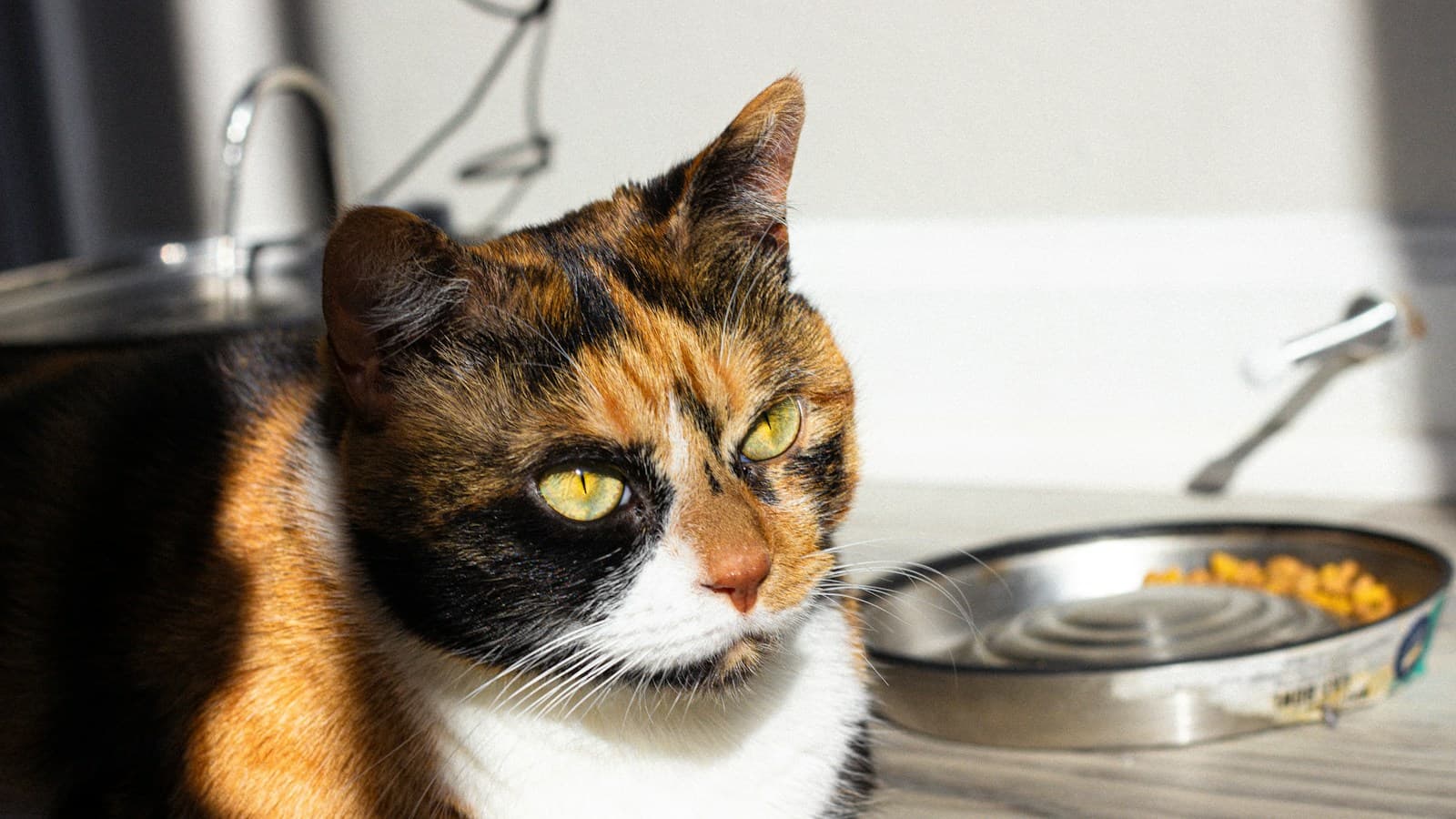
The European Shorthair, called the European in FIFe, is a recognized breed with a natural-looking, sturdy outline and a short coat. It can resemble a non-pedigreed domestic shorthair, but appearance alone does not establish breed identity. Registration and documented ancestry matter when a seller is offering a pedigreed kitten.
A defined breed, not a vague label
FIFe publishes a European breed profile and standard, so the breed should not be described as having no clear criteria. A cat can be a wonderful companion without meeting a show standard.
If you are interested in showing, check the rules of the organization involved before buying. Ask the breeder to explain the difference between pet and show expectations. Avoid assuming that an unusual color necessarily increases breeding value or makes a kitten suitable for a particular registry.
Personality belongs to the individual
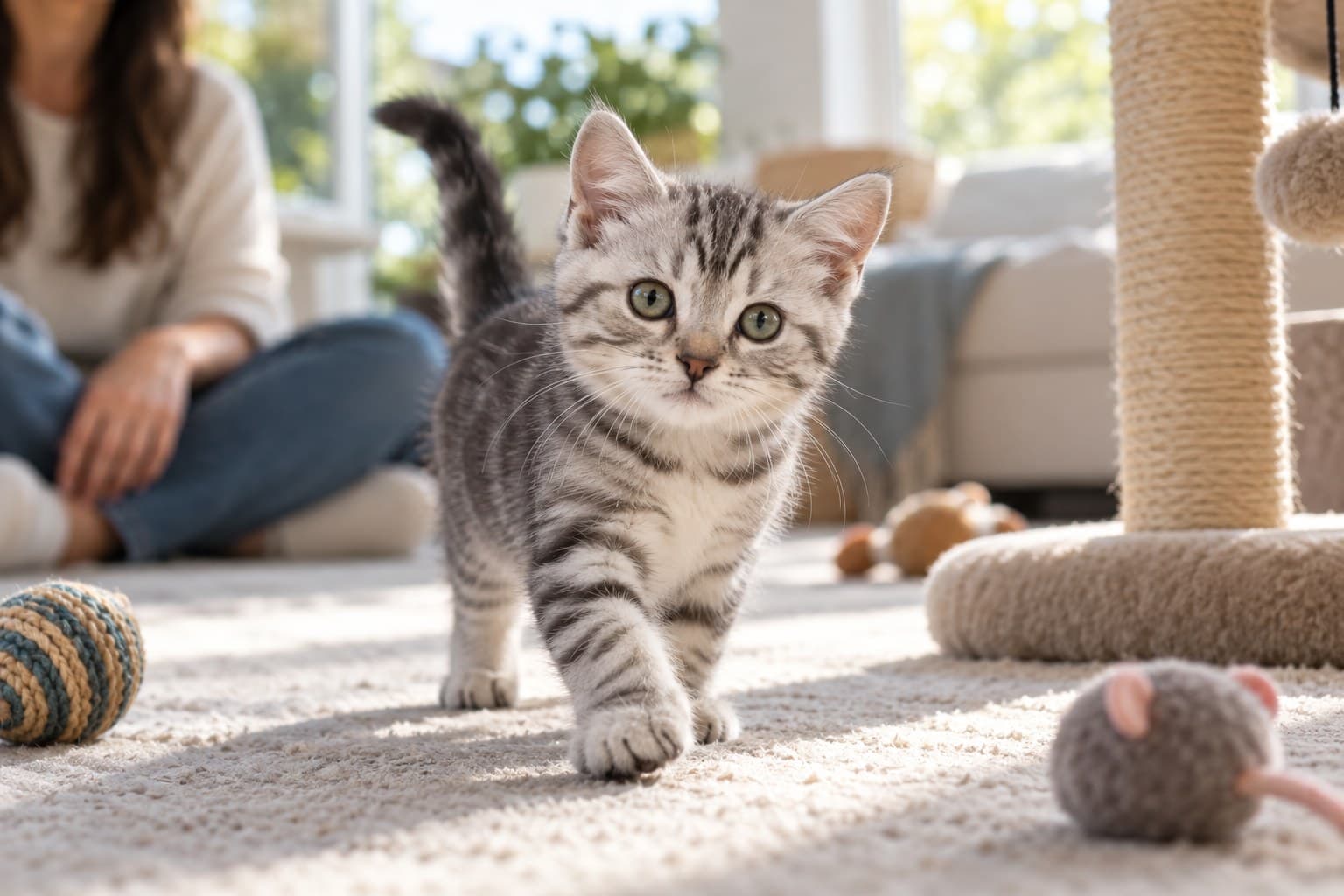
European Shorthairs may be playful, curious or affectionate, but they do not automatically copy an owner's personality or schedule. Some enjoy visitors; others prefer to watch from a safe place. Allow a new cat to settle at its own pace, with predictable meals and quiet resting areas.
No breed can be promised never to bite or scratch. Children must not squeeze a cat, pull its tail or drag it across the floor. Adults should supervise contact, teach gentle handling and ensure that the cat can leave. A hiss is a request for space, not an invitation to continue.
Cats may also pursue small animals regardless of how friendly they are with people. Keep rodents and birds securely separated. Do not assume the cat will stay on your property because it is attached to you; prevent escapes and arrange identification appropriate to your location.
Simple, gentle grooming
Brush or comb the coat according to its condition and the cat's tolerance. Short sessions can remove loose hair and let you inspect the skin. There is no need to spray citric acid onto the coat or polish it with household products. Use only products suitable for cats when a product is actually needed.
Check claws and introduce trims gradually, with a demonstration if you are unsure. Inspect ears without inserting cotton swabs into the canal. Persistent discharge, a strong odor, repeated scratching or painful handling should lead to a veterinary assessment rather than increasingly vigorous cleaning.
Health is not guaranteed by a natural appearance
A sturdy body and short coat do not make a cat resistant to every disease or safe in extreme temperatures. Provide comfortable shelter, fresh water and a complete diet suited to age and health. Measure portions and monitor body condition beneath the coat. Unexplained changes in appetite, thirst, weight or activity need attention.
Ask your vet about vaccination, parasite prevention and dental care based on the cat's circumstances. Keep records of treatments and examinations. When buying a kitten, review the parents' health information and the kitten's veterinary history rather than relying on a general claim that the breed is hardy.
Build an interesting home
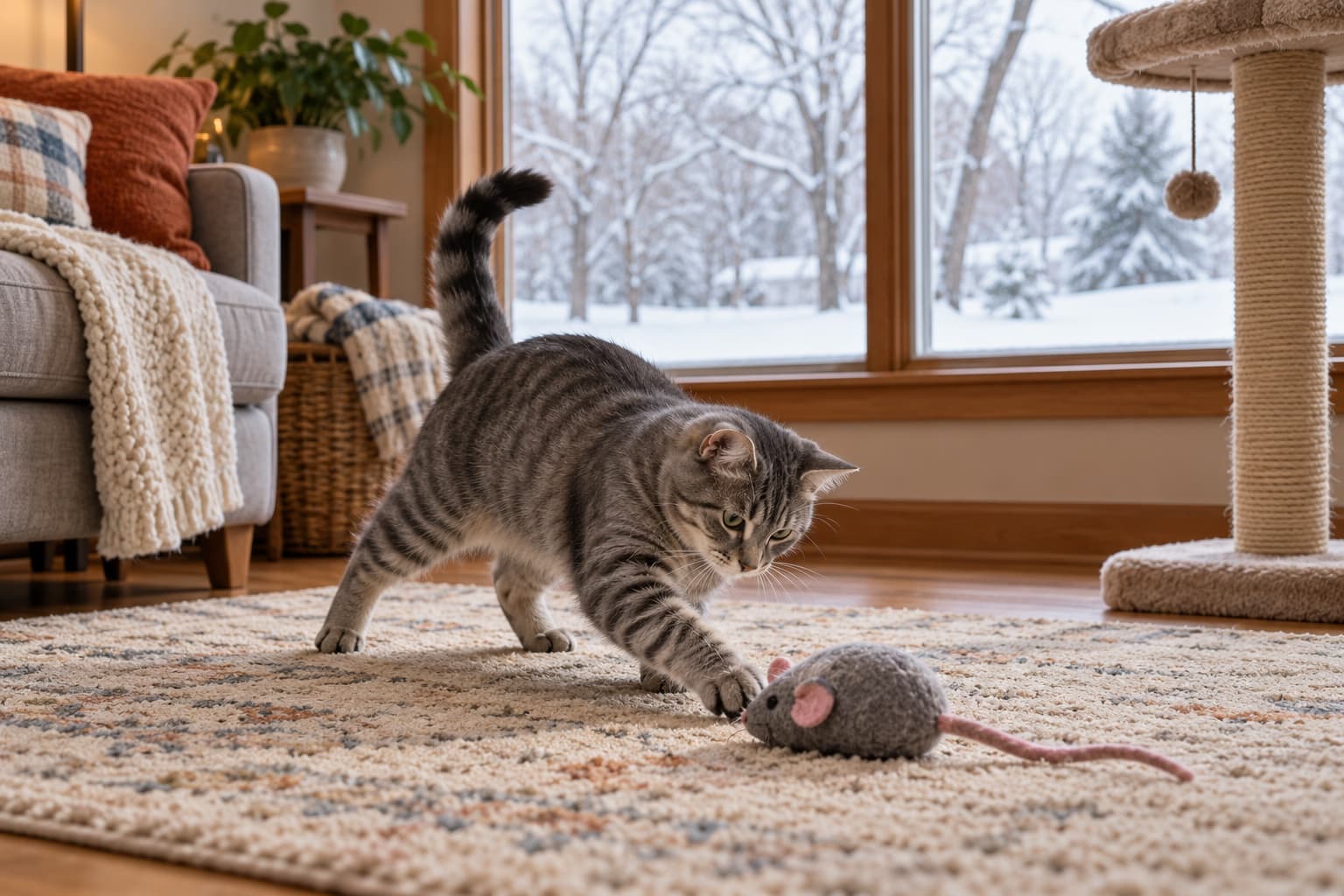
Offer stable climbing places, scratching surfaces and several comfortable resting options. Rotate toys and use short hunting-style games that let the cat stalk, chase and catch something safely. Put wand toys away after supervised play so strings cannot be swallowed.
For a household with several cats, distribute resources so one animal cannot block access to everything important. Watch for quiet signs of conflict such as avoiding a room or waiting to eat. A cat that hides more or stops using a familiar litter tray may need medical assessment as well as a review of the environment.
Choose a European Shorthair because you can meet the needs of the individual cat. Its resemblance to familiar household cats is part of its appeal, but good companionship still depends on patient introductions, respectful handling and consistent care.