The Egyptian Mau is a naturally spotted domestic cat breed with an athletic build and an alert expression. Its markings are distinctive, but a suitable home depends on more than appearance. Consider the individual cat's activity, confidence and need for companionship before deciding that a breed description predicts a perfect match.
Modern history and appearance
The Cat Fanciers' Association's Egyptian Mau profile records Nathalie Troubetskoy's arrival in the United States with three Maus in 1956. CFA registration followed in 1970 and championship status in 1977. Ancient Egyptian images of spotted cats are interesting historical comparisons, but a resemblance is not a complete pedigree across thousands of years.
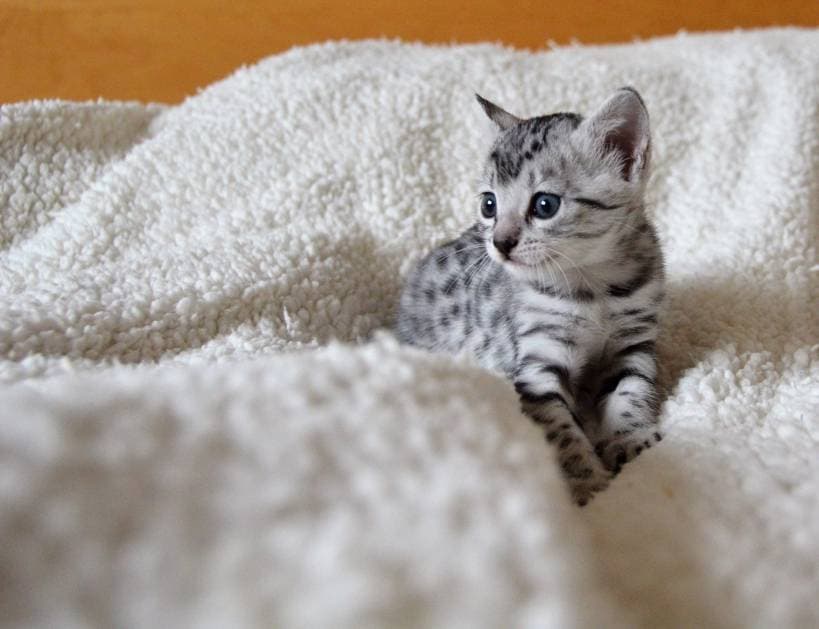
The breed has a medium-sized, muscular body, a spotted coat and hind legs somewhat longer than the forelegs. CFA's championship colors are silver, bronze and smoke. Green eyes are characteristic of mature cats, while eye color develops as kittens grow. Consult the registry standard for exhibition details rather than treating every pet variation as a health problem.
An active cat needs opportunities
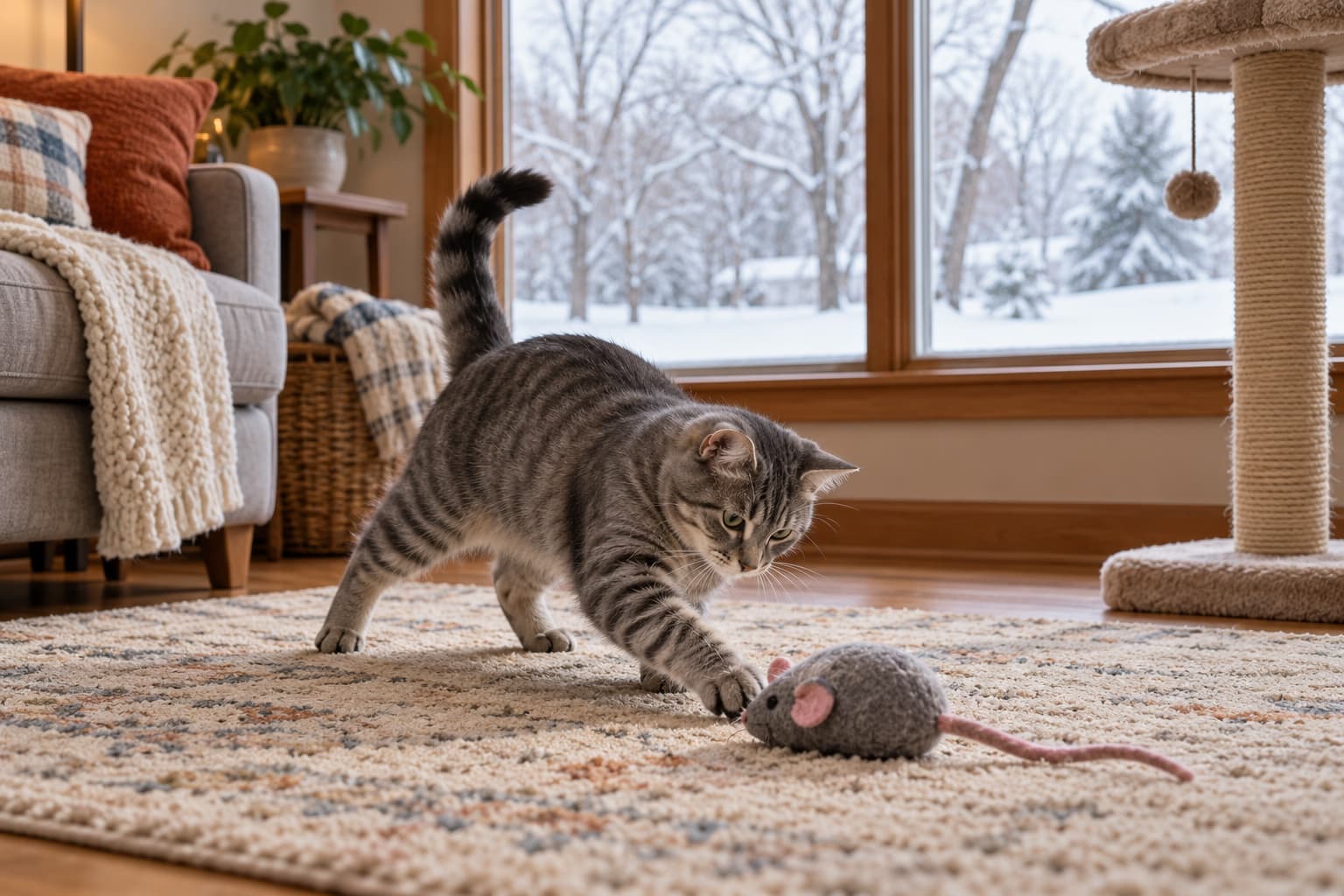
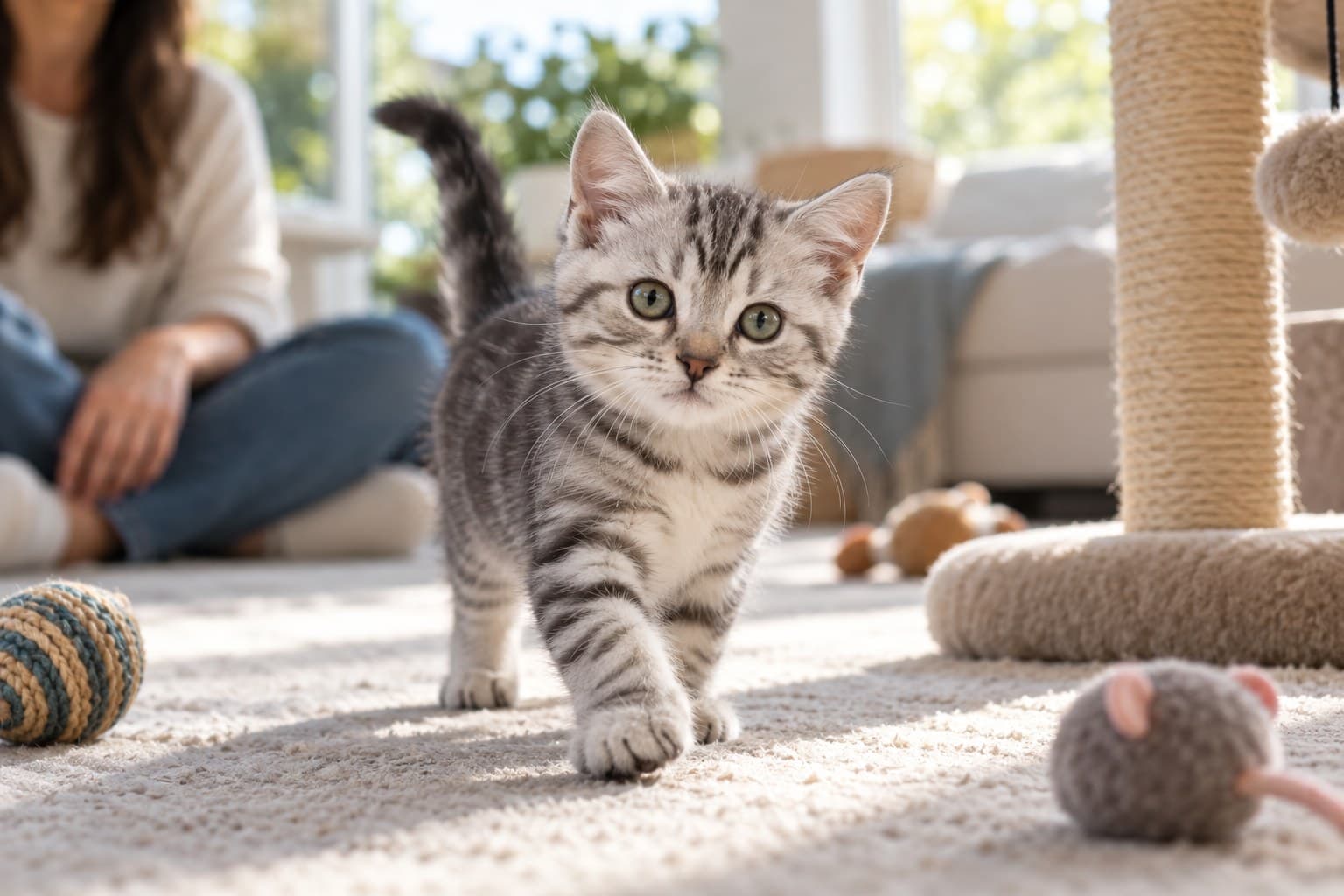
Provide stable climbing places, hiding areas and regular interactive play. A cat can live well in an apartment when the environment supports its needs; floor area alone does not determine welfare. Secure windows and balconies, and make sure the cat can retreat from noise or unwanted attention.
Claims about an exact top running speed are not a useful basis for care. Do not encourage dangerous jumps or chase a cat to test its athletic ability. Let it choose its pace and offer short games with chances to catch a toy and rest.
Some individuals accept a harness when introduced gradually with rewards, but this is not guaranteed by the breed. Supervised outdoor access should remain voluntary and secure. Unsupervised roaming creates risks beyond theft, including traffic, conflict with animals and exposure to disease.
Grooming and preventive care
Gently brush the coat as needed and check nails, teeth, skin and ears. Establish comfortable handling in short sessions rather than waiting until urgent care is required. Ask your veterinarian about diet, vaccination, parasite prevention and any breed-related screening relevant to the cat.
A claim that every litter contains a particular number of kittens or that a prolonged pregnancy is automatically normal can be misleading. Breeding and pregnancy concerns need veterinary assessment based on dates, examination and the individual animal.
Meet adult cats and request health records from a responsible breeder or rescue. Quiet introductions and predictable routines help a new Mau settle, while changes in appetite, movement or behavior deserve attention regardless of its reputation for energy.