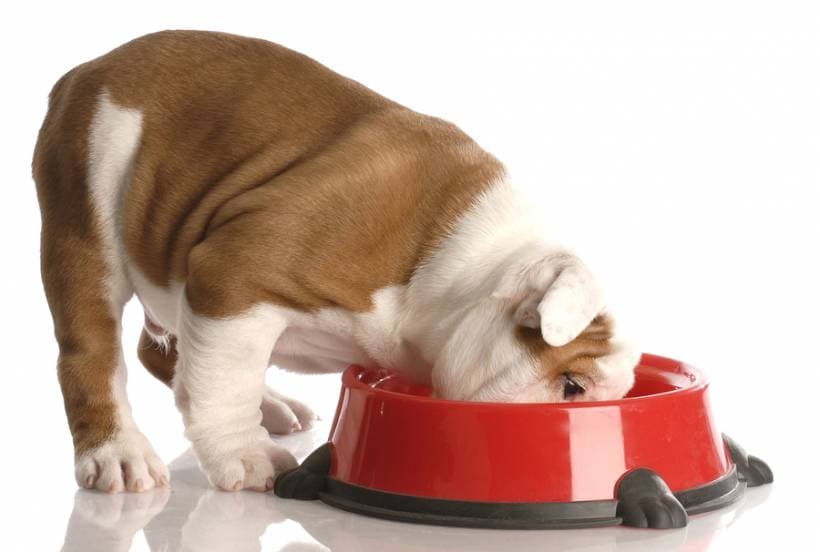
A dog's nutritional needs change with growth, activity, reproduction and health. The goal is a diet that supplies the right nutrients and energy for the individual, with portions reviewed as circumstances change. Neither a familiar brand name nor an attractive ingredient list can replace that assessment.
Dog diet choices include complete dry or wet foods and carefully formulated home-prepared diets. A mixture of meat, rice and vegetables may look wholesome while lacking essential nutrients. If you choose home cooking, work with a veterinary nutrition specialist and follow the complete recipe rather than swapping ingredients freely.
Read the nutritional purpose
The FDA's explanation of complete and balanced food describes the role of the nutritional adequacy statement. Check whether the food is intended for growth, reproduction or adult maintenance. Products described as treats or for intermittent feeding should not become the sole diet without veterinary direction.
Compare calories as well as package weight. Wet and dry foods differ in water content, so a gram-for-gram comparison is misleading. When combining foods, calculate a single daily allowance that includes both products. Serving a full ration of each can substantially overfeed the dog.
Ask the manufacturer who formulates the diet, how quality is checked and whether nutritional information is available. Price, fashionable ingredients and marketing terms do not answer all of those questions.
Milk, weaning and early growth
Very young puppies normally depend on their mother's milk. Orphaned puppies require a veterinary feeding plan and an appropriate milk replacer, not ordinary cow's milk or improvised recipes. Problems such as poor weight gain, weakness or inability to nurse need prompt attention.
During weaning, puppies gradually learn to eat suitable puppy food while their dependence on milk decreases. The process should reflect development and health rather than a rigid date. Introduce an appropriate texture, keep feeding equipment clean and monitor each puppy rather than judging the litter only as a group.
Once puppies move to new homes, their caregivers should receive the current food name, portion and meal schedule. Keeping that routine initially makes it easier to distinguish relocation stress from a response to a new diet. Subsequent changes can usually be made gradually.
Growing puppies
Puppy food should support steady growth without encouraging excess body fat. Large and giant breeds need particular care with mineral balance and energy intake. Extra calcium or bone meal should not be added to a complete growth diet unless the veterinarian has identified a specific need.
Divide the daily amount into meals appropriate to the puppy's age and size. Young puppies generally need more frequent feeding than adults. A six-month-old puppy should not automatically be reduced to one meal a day, and the move to adult food should reflect expected maturity rather than a universal birthday.
Use weight records and body-condition checks to evaluate progress. Feeding-table estimates are useful starting points, but an individual puppy may need more or less. Growing larger as quickly as possible is not a health target, especially for dogs expected to reach a substantial adult size.
Adult companions
For a healthy adult, daily energy needs depend on more than breed. Activity, body size, neuter status, environment and individual variation all matter. A dog described as active may spend most of the day resting, while another with the same build may work for hours.
Measure the complete daily ration and count training treats, dental chews, table food and food used to give medication. These additions are easy to overlook. Ask family members to share one feeding record rather than each responding separately when the dog approaches the kitchen.
A stable weight is useful information, but it does not by itself prove ideal nutrition. Assess body condition, muscle, appetite and general health with the veterinary team. A dog can remain at an unhealthy weight for months, and a shiny coat does not rule out an underlying problem.
Working and sporting dogs
Feeding should match the workload actually performed. Sustained work may require more energy than ordinary household activity, but the increase should be individualized. Prepare for changes in workload rather than suddenly doubling portions on a busy day.
Plan meals, rest and water access around the dog's routine. Avoid large meals immediately around strenuous activity, and ask the veterinarian about an appropriate schedule for the sport or job. There is no universal rule that every working dog must receive two-thirds of its food in the evening.
Watch recovery as well as enthusiasm. A dog eager to keep working may still need rest or medical assessment. Unexplained weight loss, reduced stamina or persistent digestive signs should not simply be answered by adding a richer food.
Older dogs
Age does not mean that every dog needs much less food or a low-protein diet. Some older dogs gain fat as activity decreases, while others lose weight or muscle. Dental disease, pain and internal illness can also change eating habits.
Review weight and muscle condition regularly and discuss whether a different food or texture is appropriate. The word "senior" on a label does not describe one universal nutritional formula. A therapeutic diet may be needed for a diagnosed condition, but it should be chosen for that condition rather than age alone.
Make meals accessible. A nonslip surface, a quiet location and an appropriate bowl may help a dog that finds standing or reaching uncomfortable. Any new difficulty chewing or swallowing deserves assessment rather than being dismissed as normal aging.
Pregnancy and nursing
Breeding requires planning before mating, including a review of health and nutrition. Food needs do not immediately double when a dog becomes pregnant. Requirements increase later in pregnancy and can rise substantially during lactation, depending partly on litter size.
Ask the veterinarian to choose an appropriate complete diet and feeding schedule, then monitor the mother and puppies. Smaller, more frequent meals may help as pregnancy advances. Do not add calcium supplements or other products on your own; reproductive nutrition needs careful balance.
Keep fresh water readily available, especially during nursing. Poor appetite, weakness, tremors or failure of puppies to gain weight requires prompt veterinary advice. A feeding chart cannot replace an examination when the mother or litter is unwell.
Keep the plan under review
Record the food, measured amount, extras and any recent changes before each veterinary visit. This turns a vague report of "one bowl twice a day" into information that can guide a useful adjustment. Recheck the plan after growth, illness, a change in workload or a noticeable shift in weight.
Store food according to the label and clean bowls regularly. Refrigerate opened wet food as directed, keep dry food protected from moisture and pests, and retain the original packaging. Good nutrition includes how food is handled as well as what appears on the ingredient list.