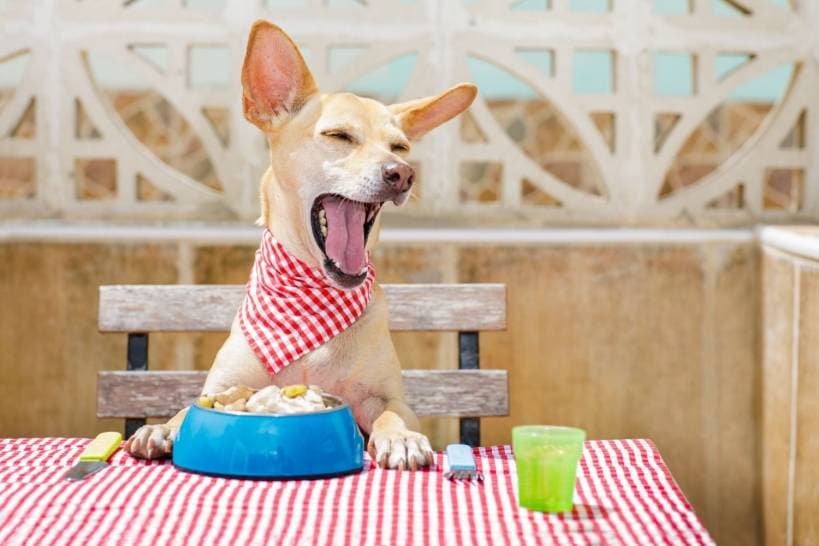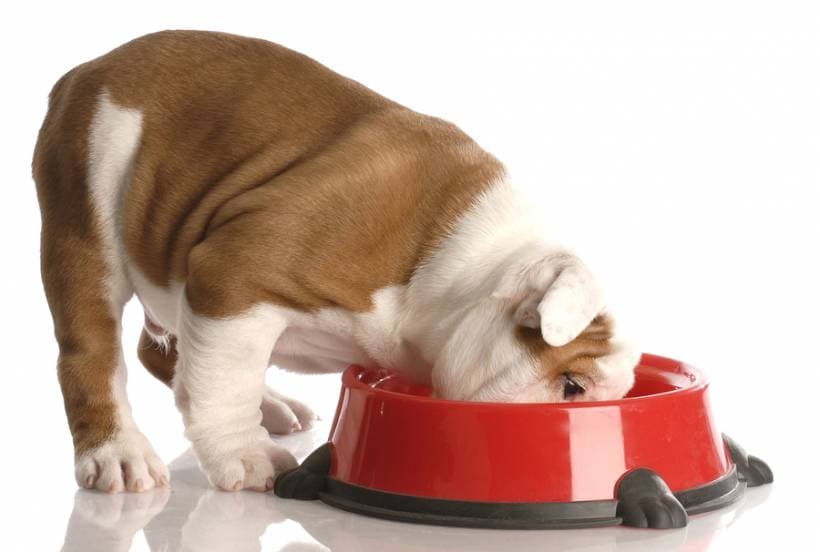
A dog asking for a taste does not tell you whether the food is suitable. Some ingredients are toxic, while others create choking, digestive or calorie-related problems. Check the whole dish, including sauces and sweeteners, before deciding whether a small plain portion is appropriate.
Chocolate, caffeine and sweeteners
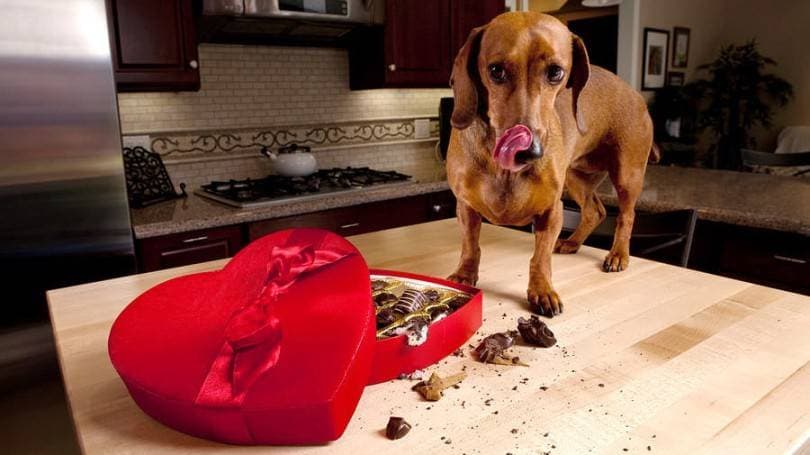
Chocolate contains methylxanthines that can affect a dog's heart and nervous system. The risk depends on the type of chocolate, the amount and the dog's weight. A fixed claim that fifty grams will kill a particular breed is not a reliable way to assess an exposure.
Coffee, caffeine products and cocoa powder also need secure storage. Xylitol, found in some sugar-free products and other foods, is particularly dangerous to dogs. Read labels rather than assuming a product is safe because it contains no ordinary sugar.
The ASPCA's food hazard guidance lists these and other important risks. If a dog eats a suspect product, call a veterinarian or animal poison service promptly with the packaging and an estimate of the amount. Do not wait for the dog to look ill.
Grapes, onions and mixed dishes
Grapes and raisins can cause kidney injury. Onions, garlic and related plants can damage red blood cells, including when cooked or used as powders. Their presence in gravy, stuffing, soup or prepared meals may not be obvious from appearance.
Alcohol and raw yeast dough are also dangerous. Dough can expand in the stomach and produce alcohol as it ferments. Keep rising dough, drinks and discarded food where a dog cannot reach them, including during parties and meal preparation.
Bones and other physical hazards
Cooked bones can splinter, but raw bones can also break teeth or cause choking and obstruction. There is no reliable exception that makes all beef or veal bones safe. Ask the veterinary team about appropriate chews for the dog's size and chewing style.
Fruit pits, corn cobs, skewers, foil and food packaging can create emergencies even when the food itself is not toxic. Do not let a dog rummage through rubbish or lick plates containing sharp objects. Secure bins and clear leftovers promptly.
Rich foods and unnecessary extras
Fatty meals may cause digestive upset and can contribute to pancreatitis in susceptible dogs. Excess salt can also be harmful. This does not mean that every herb or spice destroys a dog's sense of smell, or that every human food has the same risk.
A small piece of a suitable plain food may fit a healthy dog's treat allowance, but preparation and portion matter. Remove unsafe parts and avoid seasonings. Dogs with medical conditions or prescribed diets may need stricter limits, so check their individual plan.
A commercial food's ingredient list should not be reduced to a demand for only meat, vegetables and vitamins. Complete nutrition also depends on the right amounts and balance of nutrients. Use the nutritional adequacy statement and veterinary advice when selecting the main diet.
Respond calmly to an exposure
Write down what was eaten, the likely quantity, the time and the dog's weight. Save the packet or take a photograph of its ingredients. Tell the clinic about vomiting, weakness, abnormal behavior or any existing illness.
Do not induce vomiting or give salt, oil, milk or other home remedies unless a veterinary professional specifically instructs you. The correct response depends on the substance and the dog's condition, and some improvised treatments can make the situation worse.
Prevent repeat incidents by checking the practical cause. A handbag containing gum, a low shopping bag or an open bin may need a different storage location. Give visitors clear guidance about treats so that well-meant sharing does not become another emergency.
Keep the emergency clinic number where every caregiver can find it. When someone else looks after the dog, provide the same food rules and storage precautions, including information about any prescribed diet. Consistent instructions reduce well-meant but unsuitable treats.