Some foods that people enjoy can poison dogs, while others cause digestive upset or physical injury. These are different risks, so broad statements such as "all human food is dangerous" are not useful. Know the important hazards and keep the dog's normal diet complete and balanced.
Ingredients that need particular care
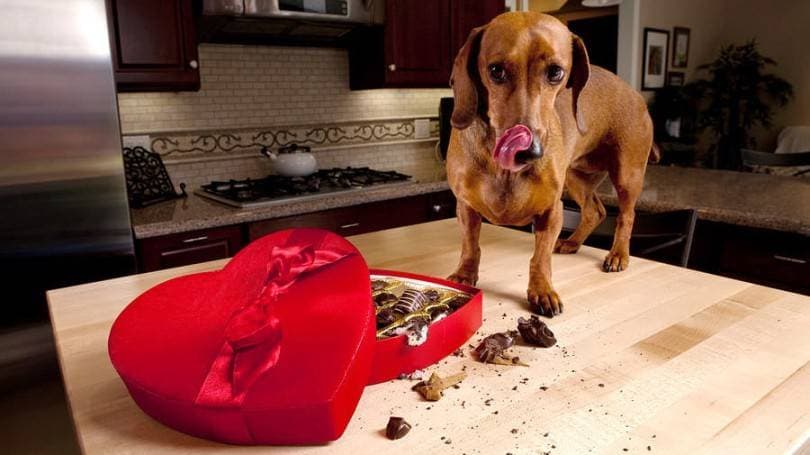
Chocolate and caffeine can affect the heart and nervous system. Risk depends on the product, amount eaten and the dog's size; there is no single safe or fatal quantity that applies to every situation. Keep coffee grounds, cocoa powder and concentrated baking chocolate well out of reach.
Grapes and raisins can cause kidney injury, and xylitol can cause severe illness in dogs. Check the ingredients of sugar-free sweets, chewing gum, baked goods and nut butters. Onions, garlic and related plants can damage red blood cells, including when cooked or present in powders.
The ASPCA's food hazard guidance also identifies alcohol, raw yeast dough and macadamia nuts as concerns. If a dog eats a potentially toxic food, contact a veterinarian or animal poison service promptly. Do not wait for symptoms or assume that a small-looking portion is harmless.
Leftovers and bones
Rich, fatty leftovers can cause digestive upset and may contribute to pancreatitis in susceptible dogs. Sauces and mixed dishes make the exposure harder to assess because their ingredients are not obvious. Food rescued from the rubbish may also be spoiled or contain packaging, skewers or bones.
Cooked bones can splinter, and raw bones can also cause broken teeth, choking or obstruction. Giving only a small bone does not remove these risks. Choose an appropriate dog chew with veterinary advice and supervise its use rather than treating beef bones as a safe exception.
Avoid unnecessary blanket bans
Not every nut, fruit or vegetable has the same risk. Plain cooked ingredients that are safe for a particular dog may be offered in small amounts, but pits, cores, seasonings and portion size still matter. Do not use an online list to design a complete homemade diet.
Milk can cause diarrhea in dogs that do not tolerate lactose; it is not a necessary drink for weaned puppies or adults. Cat food is formulated for cats and should not replace a dog's regular diet, even if an occasional stolen mouthful does not cause poisoning.
Prepare for an accidental exposure
Save the packaging and estimate what was eaten, when it happened and the dog's current weight. Tell the veterinary team about symptoms and any existing health problems. Do not induce vomiting or give oil, salt, milk or other home remedies unless specifically instructed.
Store food waste securely and check bags left on floors after shopping or visitors. A closed cupboard is more reliable than assuming a dog cannot reach a countertop. Make sure children and guests know which treats are permitted and whom to tell if something is dropped or stolen.
Give particular attention to visitors and celebrations, when bags, plates and rubbish may be left within reach. Keep a supply of permitted rewards in a clearly labeled container, and ask guests to use those instead of sharing their meals. If an accident happens, record it honestly; knowing what was eaten is more useful than assigning blame.