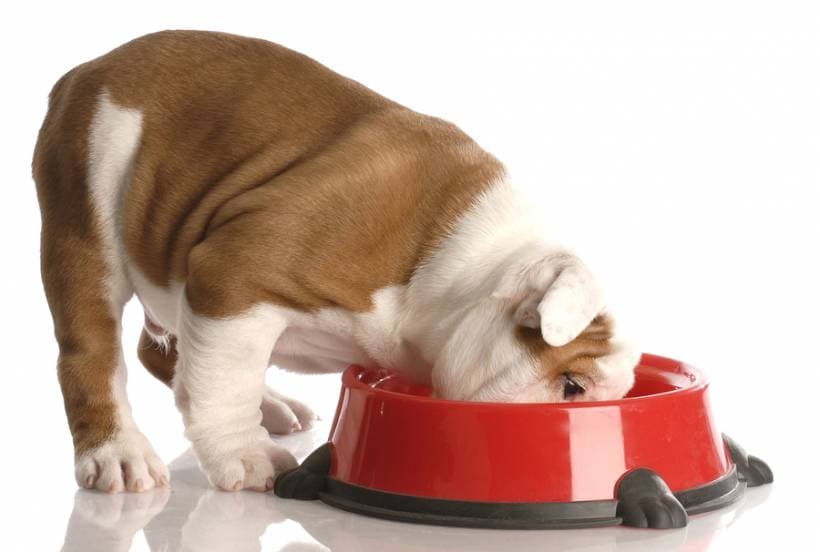
A useful feeding routine provides adequate nutrition without overfeeding and makes changes in appetite easy to notice. Start with the dog's age, size, activity and medical needs. There is no single menu or portion that suits every dog, even within the same breed.
Choose a suitable main diet
A complete commercial diet can provide the required nutrients when it is appropriate for the dog's life stage. Wet and dry foods can both be suitable. Check the nutritional adequacy statement and calorie information, rather than judging quality only by price or the appearance of ingredients.
Home-prepared meals need a recipe formulated for the individual by a veterinary nutrition specialist. Cooking fresh ingredients does not automatically provide the correct mineral and vitamin balance. Follow the recipe exactly and ask before replacing ingredients or omitting supplements.
Mixing wet and dry complete foods is not inherently harmful to digestion. The important questions are whether the combined diet remains appropriate and whether the portions fit the dog's calorie needs. Large quantities of unbalanced toppers can dilute an otherwise suitable diet.
Measure and monitor
Use the package feeding guide as a starting estimate, then adjust with the veterinary team according to body condition and weight trends. A kitchen scale is helpful for dry food. Keep a written daily allowance so that meals and rewards are counted together.
The AAHA feeding-plan guidance emphasizes a specific plan for the main food and extras. Treats, chews, table scraps and food used for medication all contribute calories. A dog that begs has not necessarily used up its daily allowance; attention, play or a walk may be more appropriate than another snack.
Both inadequate intake and excess weight can harm health. Do not deliberately underfeed because it seems safer than overfeeding. Ask the veterinary team to demonstrate body-condition assessment and review the plan if the dog gains or loses weight unexpectedly.
Make meals calm and predictable
Offer meals on a schedule that suits the dog's age and health. Feed pets separately when competition causes rushing or makes it difficult to see who ate what. Provide a quiet space and avoid taking food away repeatedly to test the dog's behavior.
Fresh drinking water should remain accessible. Wash bowls regularly and remove spoiled food promptly. Keep dry food in its original bag within suitable storage, and follow the label's instructions for opened wet food. Retaining the batch number helps if a product concern arises.
Avoid preventable hazards
Keep chocolate, grapes, raisins, xylitol, onions and alcohol away from dogs. Cooked bones are unsafe, and raw bones are not a risk-free alternative. A complete diet does not need routine additions of bones, milk or vitamin products.
Serve food at a comfortable temperature and check heated food for hot spots. Plan large meals away from strenuous activity, especially if your veterinarian has discussed bloat risk. No fixed waiting interval can guarantee prevention, so ask about the individual dog's circumstances.
Respond to changes
Introduce a new diet gradually when practical, unless medical advice requires a different approach. Keep a note of vomiting, stool changes or reduced appetite. Persistent symptoms need assessment rather than repeated switching between foods.
Bring the exact food name, measured portions and list of extras to a veterinary appointment. Those details make it easier to distinguish a feeding problem from a medical issue and to choose a change that can be evaluated clearly.
Check food and water arrangements before leaving the dog with a sitter. Written portions and familiar equipment make a temporary change in caregiver easier to manage.