German Shepherds need a balanced diet suited to their age, health and activity. A working adult, a growing puppy and an older companion may have very different calorie needs. Breed alone cannot determine a daily portion, and feeding by liters or arbitrary spoonfuls makes comparison between foods unreliable.
Support steady puppy growth
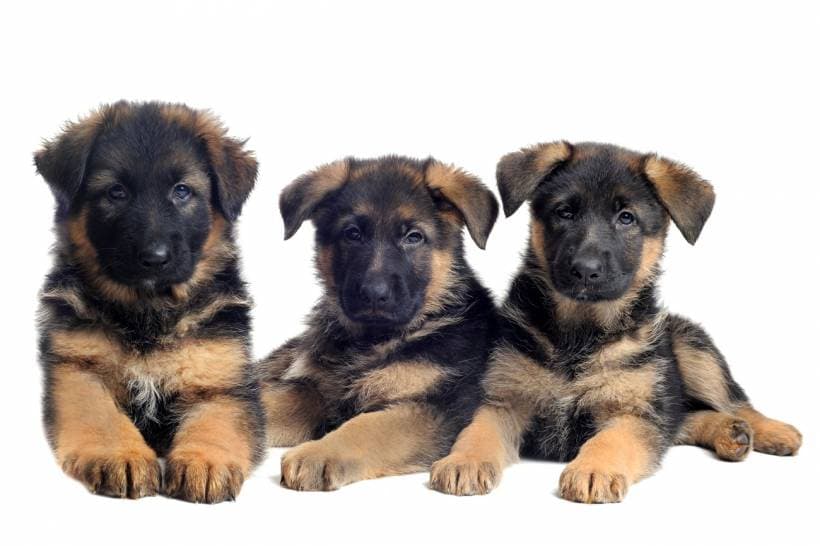
Choose a complete puppy food appropriate for the dog's expected adult size. VCA's large-breed nutrition guidance explains why energy intake and calcium balance deserve particular care during growth. The aim is a healthy, lean puppy, not the fastest possible weight gain.
Use the feeding guide as a starting point and review progress with your veterinarian. Weigh the food and record the total daily amount. The same volume of two foods can provide different calories, so the portion must be reconsidered whenever the product changes.
Do not routinely add bone meal, calcium or vitamin mixtures to a complete growth diet. An excess can be harmful as well as a deficiency. Home-prepared puppy diets require specialist formulation; a mixture of meat, porridge, milk and vegetables is not automatically balanced.
Make meals predictable
Young puppies usually need several meals each day, with the schedule adjusted as they mature. Ask the veterinary team for a plan appropriate to the puppy's age and health. There is no universal rule that every German Shepherd must eat six meals or a fixed number of grams at a particular age.
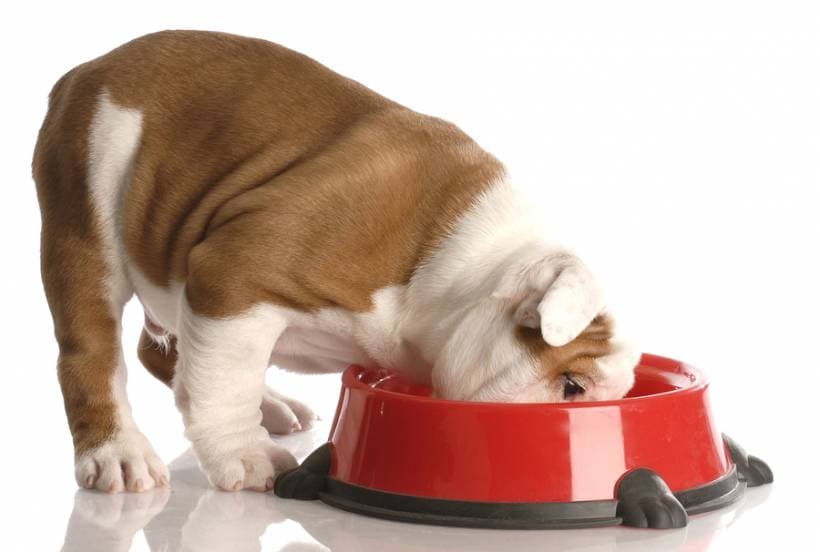
Provide a quiet feeding area and separate pets if they compete for food. Pick up uneaten perishable food promptly and keep drinking water available. A stable bowl on a nonslip surface is usually suitable; a raised stand is not required to produce correct posture. Use an elevated bowl only when it serves an individual need discussed with the veterinarian.
Choose extras carefully
Milk is not necessary after weaning, and some dogs develop digestive upset after dairy products. Raw meat and bones introduce avoidable infection or injury risks. A cooked egg or plain vegetable is still an extra food, not a substitute for a complete diet or a reason to add daily supplements.
Treats used during training should come from the daily food allowance where practical. Ask everyone in the household to use the same plan. Small rewards given by several people can add up even when each person believes they offer very little.
Adjust the adult diet to the dog
As growth slows, discuss when to transition to adult food. Make the change gradually and reassess portions rather than carrying the puppy ration forward unchanged. An active-looking breed can still gain excess weight if daily exercise is limited.
Check body condition regularly. You should be able to feel the ribs without pressing through a thick fat layer, but the correct appearance also depends on build and coat. Ask for a demonstration at a veterinary visit and keep weight records to show the trend over time.
A working dog's food requirement should reflect the work actually performed. A breed label, occasional long walk or energetic behavior indoors does not automatically justify a performance diet. Changes in season, workload, neuter status and health may all require a review.
Investigate digestive changes
Persistent loose stools, weight loss despite appetite, repeated vomiting or a major appetite change warrants veterinary assessment. German Shepherds can develop conditions that affect digestion, and repeatedly switching foods may delay an appropriate diagnosis. Bring the food label, portion records and a description of treats to the appointment.
A swollen abdomen, repeated unproductive retching, restlessness or collapse can signal an emergency such as gastric dilatation-volvulus. Seek urgent veterinary help rather than waiting for a food change to work. Discuss individual risk and preventive options during routine care.
For everyday feeding, consistency is more useful than elaborate menus. Keep a written portion plan, check the expiry date and store food as directed. Review the plan whenever the dog's weight, workload or medical needs change, rather than assuming that a food which once suited it will always be appropriate.
Recheck the measuring method when another person takes over feeding. Write portions in grams and identify the exact product so that a change of scoop or bag size does not quietly alter the daily intake.