The Russian Toy, sometimes called the Russian Toy Terrier, is a small companion breed with smooth-coated and longhaired varieties. Its fine build and expressive ears are distinctive, but it needs the same foundations of good care as larger dogs: suitable activity, training, rest and veterinary attention.
Understand the coat and build
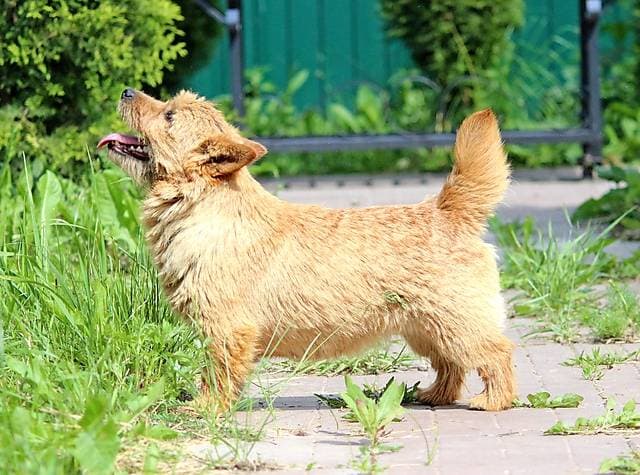
The AKC Russian Toy profile describes a fine-boned, long-legged dog. The longhaired variety has feathering rather than a rough wire coat. Grooming needs differ between varieties, and neither should be advertised as completely free from shedding or maintenance.
Check the skin, ears, nails and teeth regularly. Introduce handling gently and ask a groomer or veterinary team to demonstrate unfamiliar tasks. Routine vitamins are not a substitute for a complete diet and should not be added without a specific need.
Size varies between individuals, but extremely small size is not a health benefit. Do not choose a puppy because it is marketed as unusually tiny. Ask about growth, medical history and the parents' relevant health screening.
Feed for the individual
Use a complete food suitable for age and expected adult size, with a feeding schedule agreed with the veterinary team. A mixture of meat, egg and vegetables is not automatically balanced. Home-prepared diets need specialist formulation rather than decisions based only on cost or appearance.
Measure portions and keep treats small. Young toy-breed puppies can need particularly careful meal planning; weakness, collapse or refusal to eat warrants prompt veterinary advice. Do not assume a very small animal can safely wait as long as a healthy adult with a missed meal.
Keep fresh water available and monitor weight and body condition. Dental discomfort can affect eating, so dropped food, bad breath or reluctance to chew deserves assessment rather than repeated changes of flavor.
Make activity safe
Provide walks, sniffing and play suited to the dog's age and health. Indoor toileting arrangements may be useful in some circumstances, but they do not replace exercise and opportunities to explore safely.
Prevent falls from furniture and supervise interactions with larger animals. Use well-fitted equipment and avoid rough pulling or handling. Suitable clothing can help in cold conditions when needed, but it should fit comfortably and be removed if wet or causing overheating.
Teach rather than make promises
Toilet training does not reliably finish in one week. Offer frequent opportunities, reward success and clean accidents calmly. Punishment can make a puppy fearful without clarifying the desired behavior.
Practice name response, recall, settling and comfortable handling in short sessions. A small dog can still become anxious or guard resources, so seek help early when needed. Intelligence is not a guarantee that household rules will be understood without teaching.
Children always need supervision
A Russian Toy is not a babysitter and cannot be guaranteed never to bite. Its small size also makes it vulnerable to accidental injury from children. Encourage calm interaction at floor level and allow the dog to retreat.
Adults must supervise closely and separate dog and child when attention is elsewhere. No breed should be left responsible for a baby's safety. A dog raised alongside children still needs protection from grabbing, chasing and disturbance during rest or meals.
Breeding requires more than choosing a larger female
Body size, a longer abdomen or upright ears cannot guarantee an uncomplicated pregnancy or delivery. Small dogs can experience serious reproductive problems, and breeding should involve veterinary planning, appropriate health screening and emergency resources.
Pedigree records provide ancestry information; they are not merely a way to increase puppy prices, nor do they establish good health by themselves. If you want a companion, there is no need to breed it. Discuss reproductive choices with the veterinarian and avoid unplanned mating.
Before acquisition, arrange ongoing care, a realistic budget and help during holidays. Meet adult dogs when possible and ask about everyday difficulties as well as appealing traits. A suitable home values the animal's comfort and character more than its novelty or size.
Keep written records of food, treatment and weight so changes are easier to discuss with the veterinary team.